Armenian HistoryAncient Armenia
Tigran the Great
The Artaxiad king who expanded Armenia into the strongest state of the Near East, founded Tigranocerta, and met the Roman legions of Lucullus and Pompey.
10 min readRead the article
Three thousand years of history on the Armenian Highland, told in short, readable articles. Every topic includes key facts, a timeline of dates and the sources behind it, so it can be used for homework, lesson planning or simple curiosity.
7 articles available
Featured topic
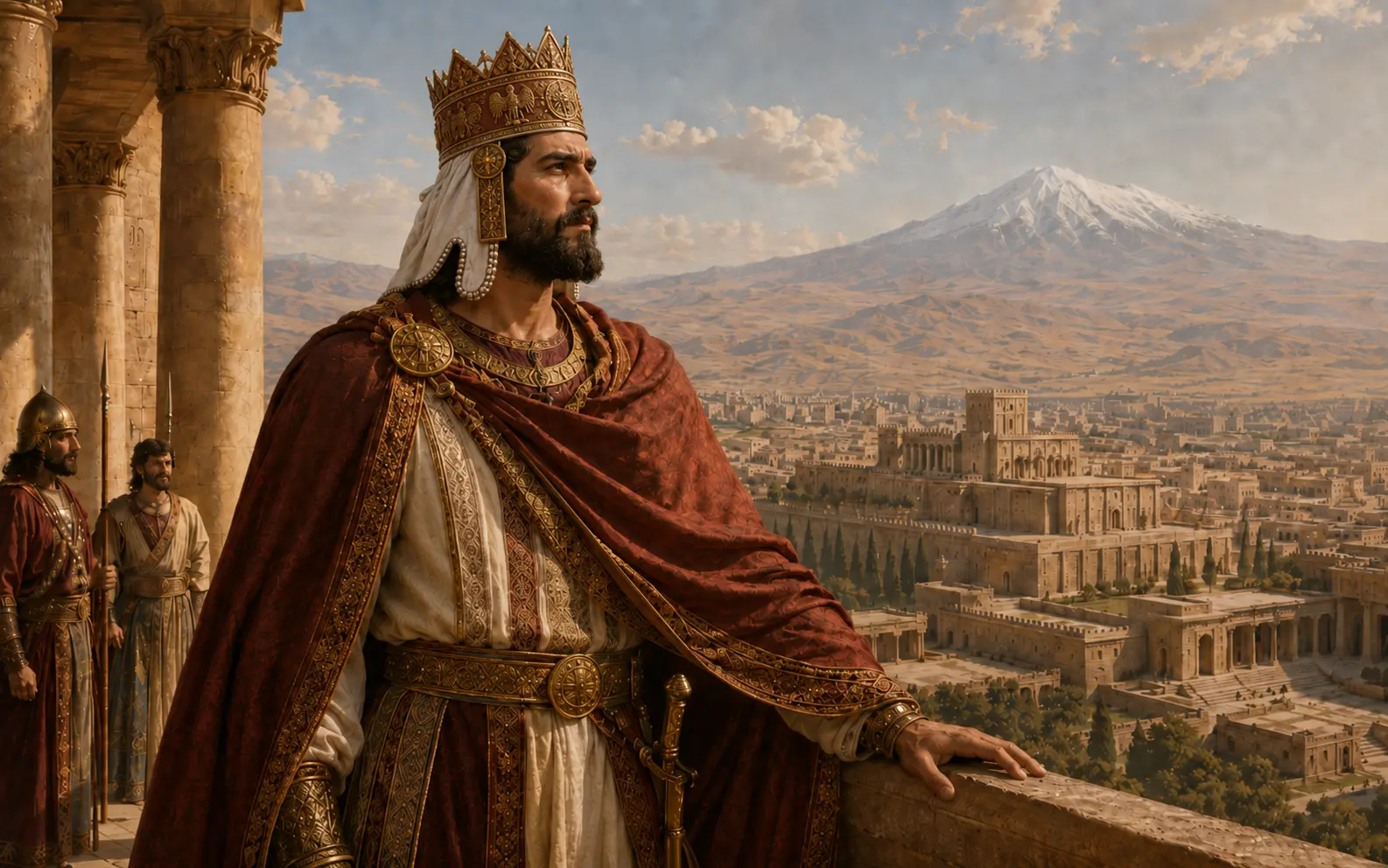
The Artaxiad king who expanded Armenia into the strongest state of the Near East, founded Tigranocerta, and met the Roman legions of Lucullus and Pompey.
10 min read · Updated 2 June 2026
All history articles
Articles are added regularly. Use the search field and the period filters above to narrow the archive.
The Artaxiad king who expanded Armenia into the strongest state of the Near East, founded Tigranocerta, and met the Roman legions of Lucullus and Pompey.
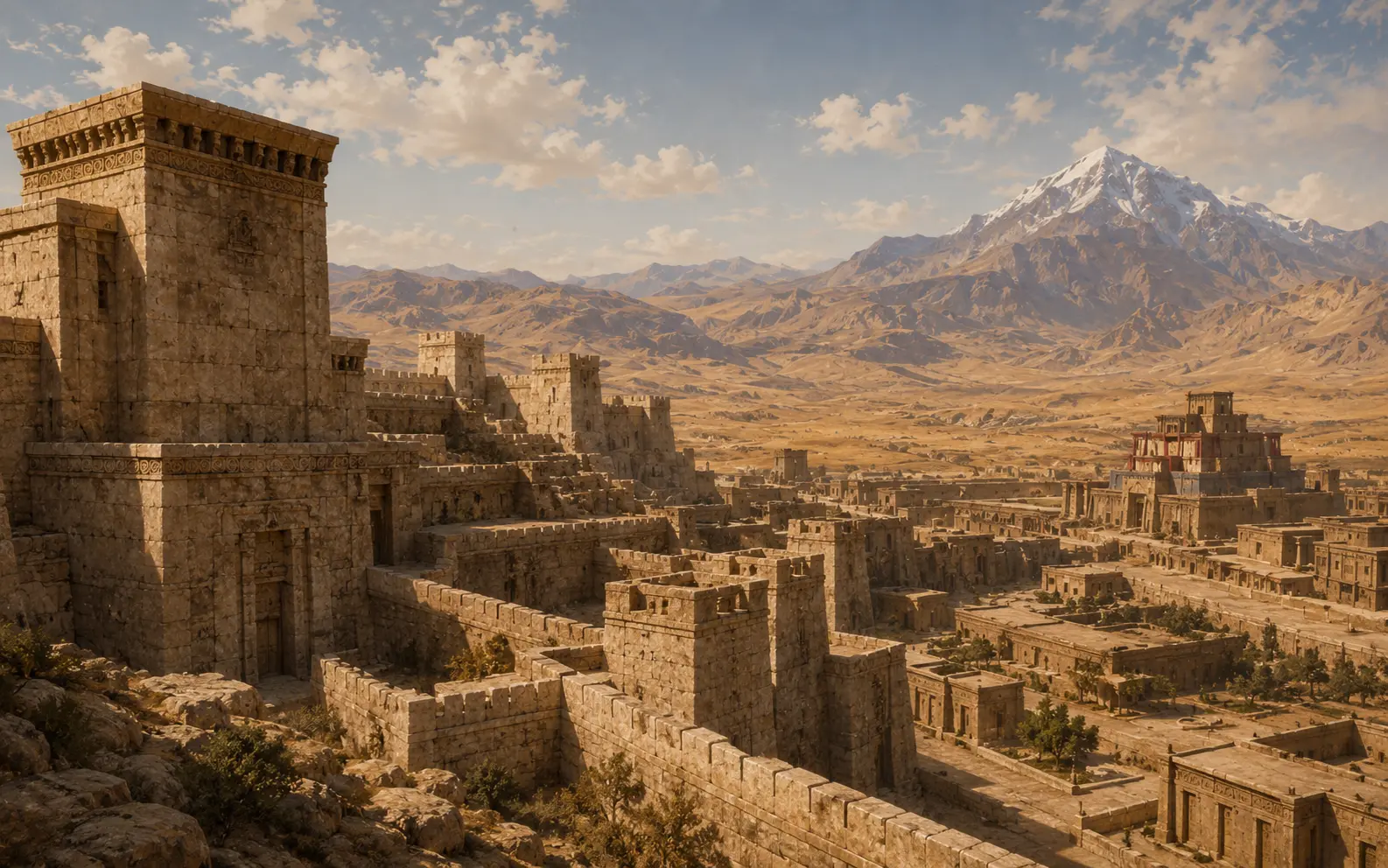
Urartu was a powerful highland kingdom around Lake Van whose fortresses, canals and cuneiform records shaped the later history of the Armenian Highlands.
Around 405 the scholar and monk Mesrop Mashtots created an alphabet that gave Armenian its own written voice and reshaped the nation's culture.
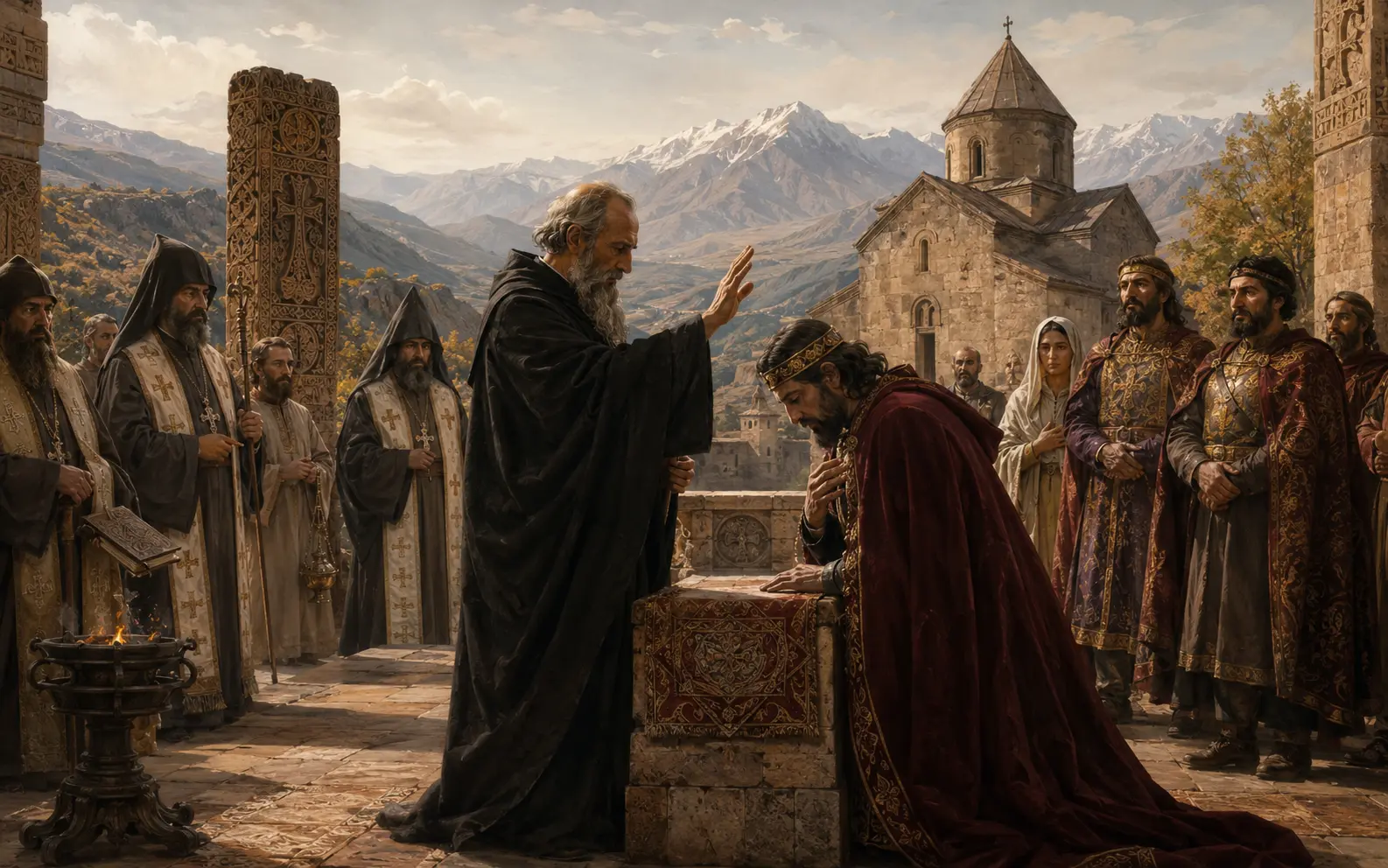
Armenia is traditionally recognised as the first state to adopt Christianity as its official religion, a decision that reshaped its law, art and identity.
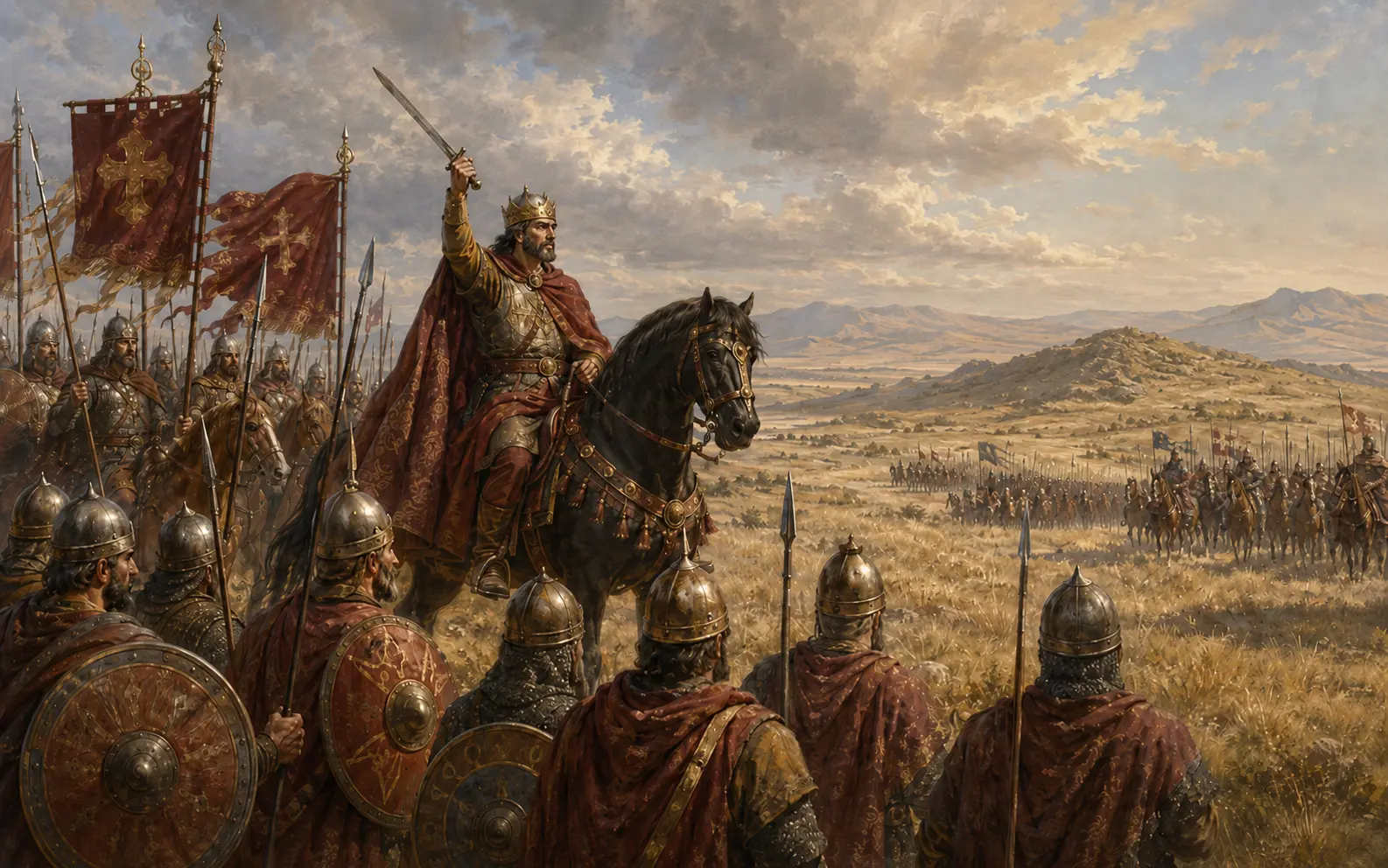
In 451 Armenian forces under Vardan Mamikonian faced a far larger Persian army to defend their faith, losing the battle but winning religious freedom.
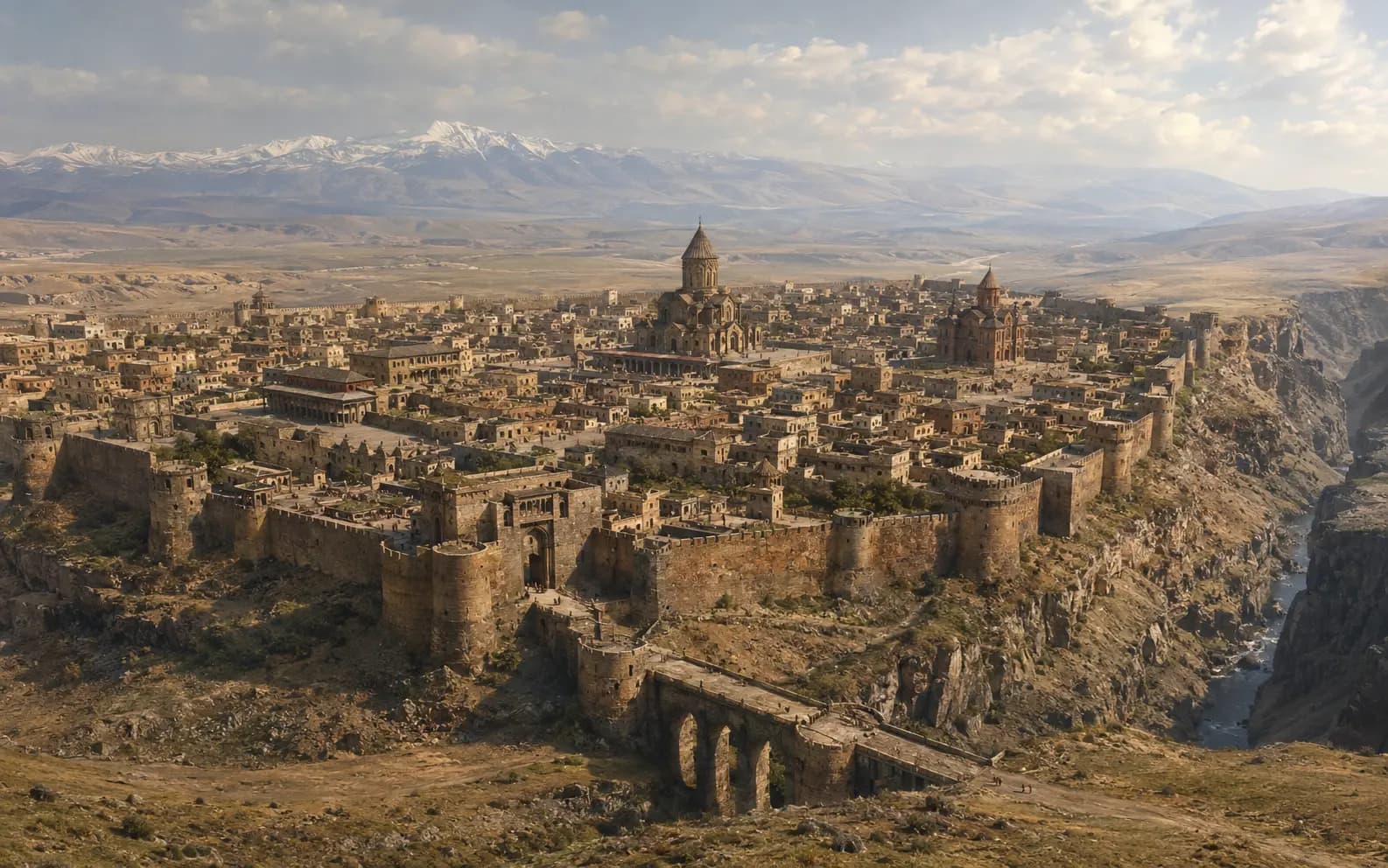
The Bagratid kings restored Armenian statehood after two centuries of foreign rule and built Ani into one of the great cities of the medieval world.
Declared in 1918 amid war and famine, the First Republic gave Armenians a modern independent state for two and a half difficult years.
Timeline
A quick overview of the periods covered on the platform.
9th–6th c. BC
A powerful state around Lake Van builds the fortress cities — including Erebuni, the ancestor of Yerevan — that mark the beginning of recorded history on the Armenian Highland.
189 BC – 12 AD
Artashes I founds an independent kingdom; under Tigran the Great it briefly stretches from the Caspian Sea to the Mediterranean.
301 AD
King Trdat III adopts Christianity as the religion of the Armenian state, a decision that reshapes Armenian art, architecture and identity.
451 AD
Vardan Mamikonian leads Armenian forces against the Sasanian army in defence of religious freedom — a military defeat that secures a political victory.
885–1045 AD
A restored kingdom flourishes around its capital Ani, the city of a thousand and one churches and one of the largest cities of its age.
1918–1920
After centuries without statehood, an independent Armenian republic is declared — short-lived, but the direct predecessor of the republic of today.
9th–6th c. BC
A powerful state around Lake Van builds the fortress cities — including Erebuni, the ancestor of Yerevan — that mark the beginning of recorded history on the Armenian Highland.
189 BC – 12 AD
Artashes I founds an independent kingdom; under Tigran the Great it briefly stretches from the Caspian Sea to the Mediterranean.
301 AD
King Trdat III adopts Christianity as the religion of the Armenian state, a decision that reshapes Armenian art, architecture and identity.
451 AD
Vardan Mamikonian leads Armenian forces against the Sasanian army in defence of religious freedom — a military defeat that secures a political victory.
885–1045 AD
A restored kingdom flourishes around its capital Ani, the city of a thousand and one churches and one of the largest cities of its age.
1918–1920
After centuries without statehood, an independent Armenian republic is declared — short-lived, but the direct predecessor of the republic of today.