Places
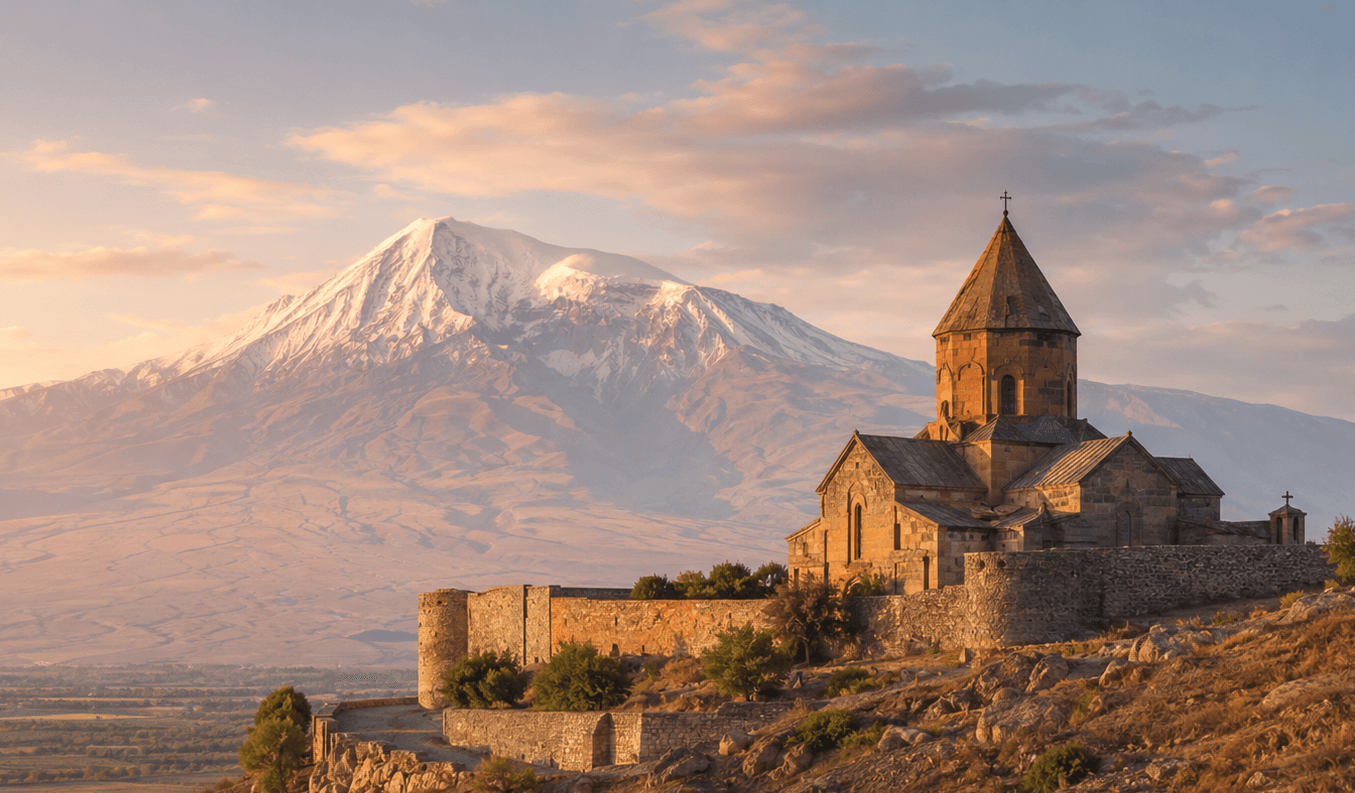
Khor Virap
A working monastery on a low hill above the Ararat plain, built over the pit where tradition says Gregory the Illuminator was imprisoned. It stands on the site of Artashat, an ancient Armenian capital.
8 min readRead the article
Discover Armenia through historic places, landscapes, monasteries, museums and food. Everything here links into the archive, so you can read about a site before you stand in front of it.
Where to begin
Six sites that between them cover most of what the country is known for: a classical temple, two monasteries, a fortress, a manuscript collection and a mountain lake.
A working monastery on a low hill above the Ararat plain, built over the pit where tradition says Gregory the Illuminator was imprisoned. It stands on the site of Artashat, an ancient Armenian capital.
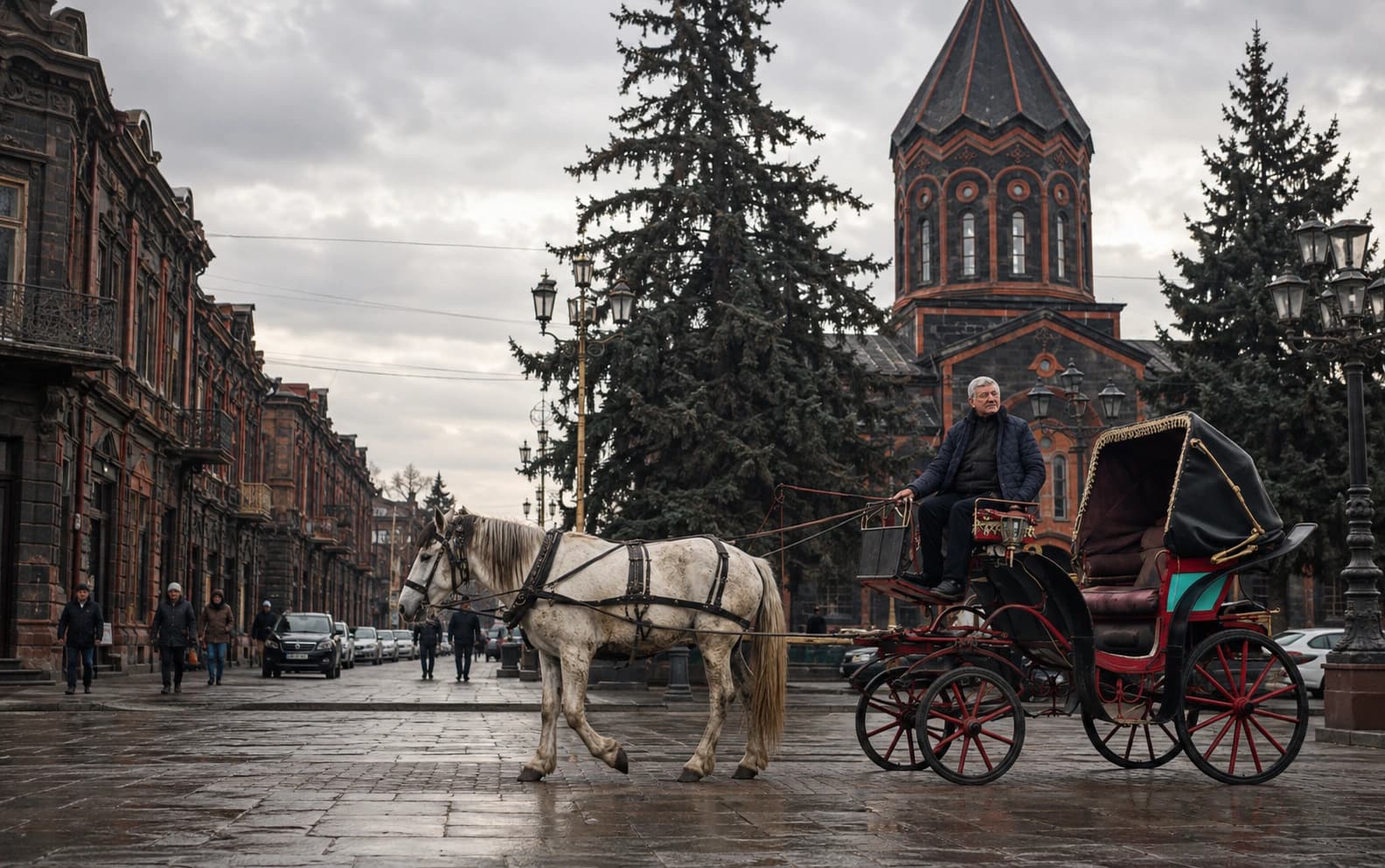
Armenia's second city, on the Shirak plain in the north-west. A settlement that became the Russian garrison town of Alexandropol and then Soviet Leninakan, it still has the largest surviving nineteenth-century urban fabric in the country.
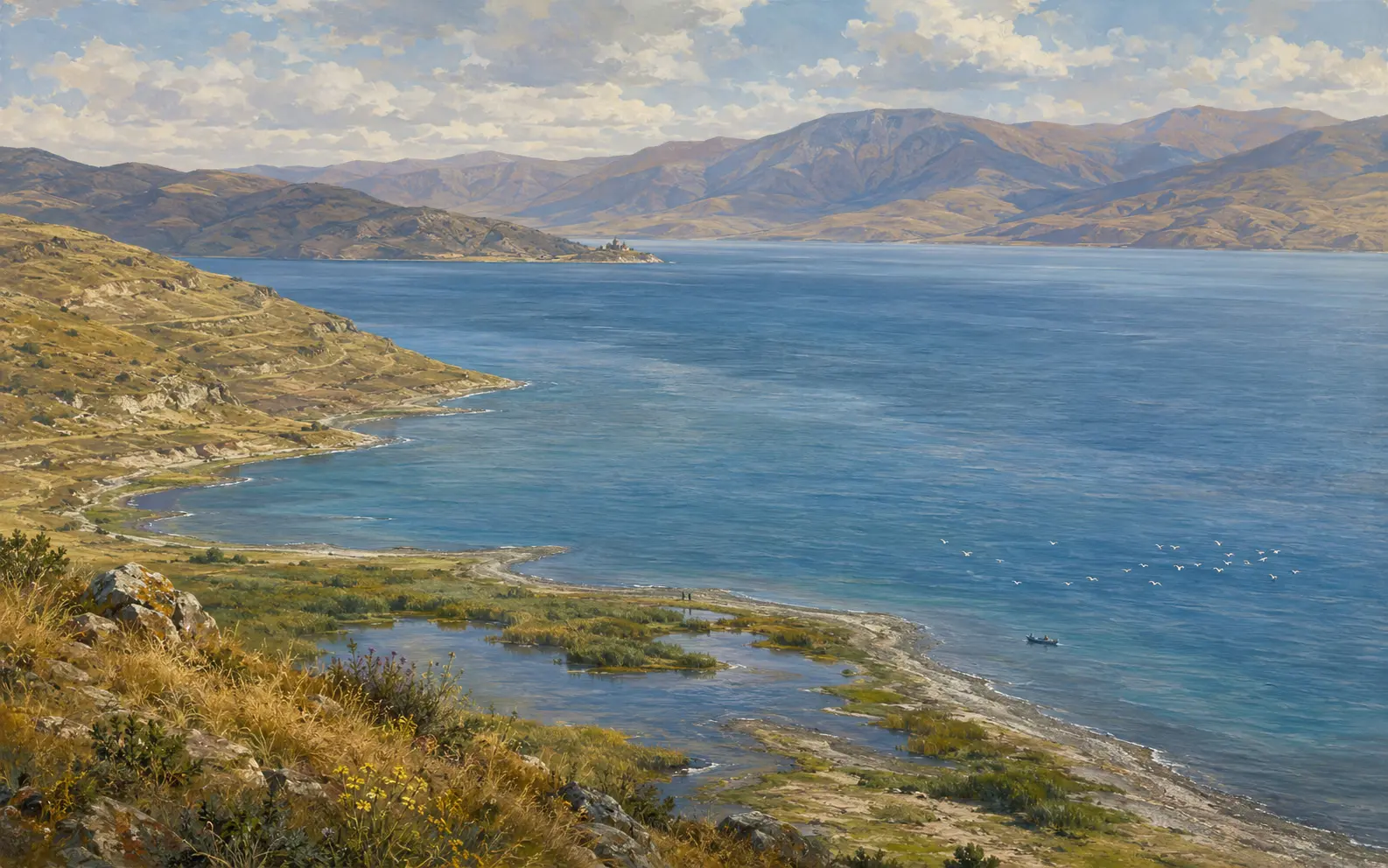
The great high-altitude lake of eastern Armenia: a closed mountain basin with many rivers flowing in and one flowing out. Its shoreline was deliberately lowered by nineteen metres in the twentieth century, and people have been arguing it back up ever since.
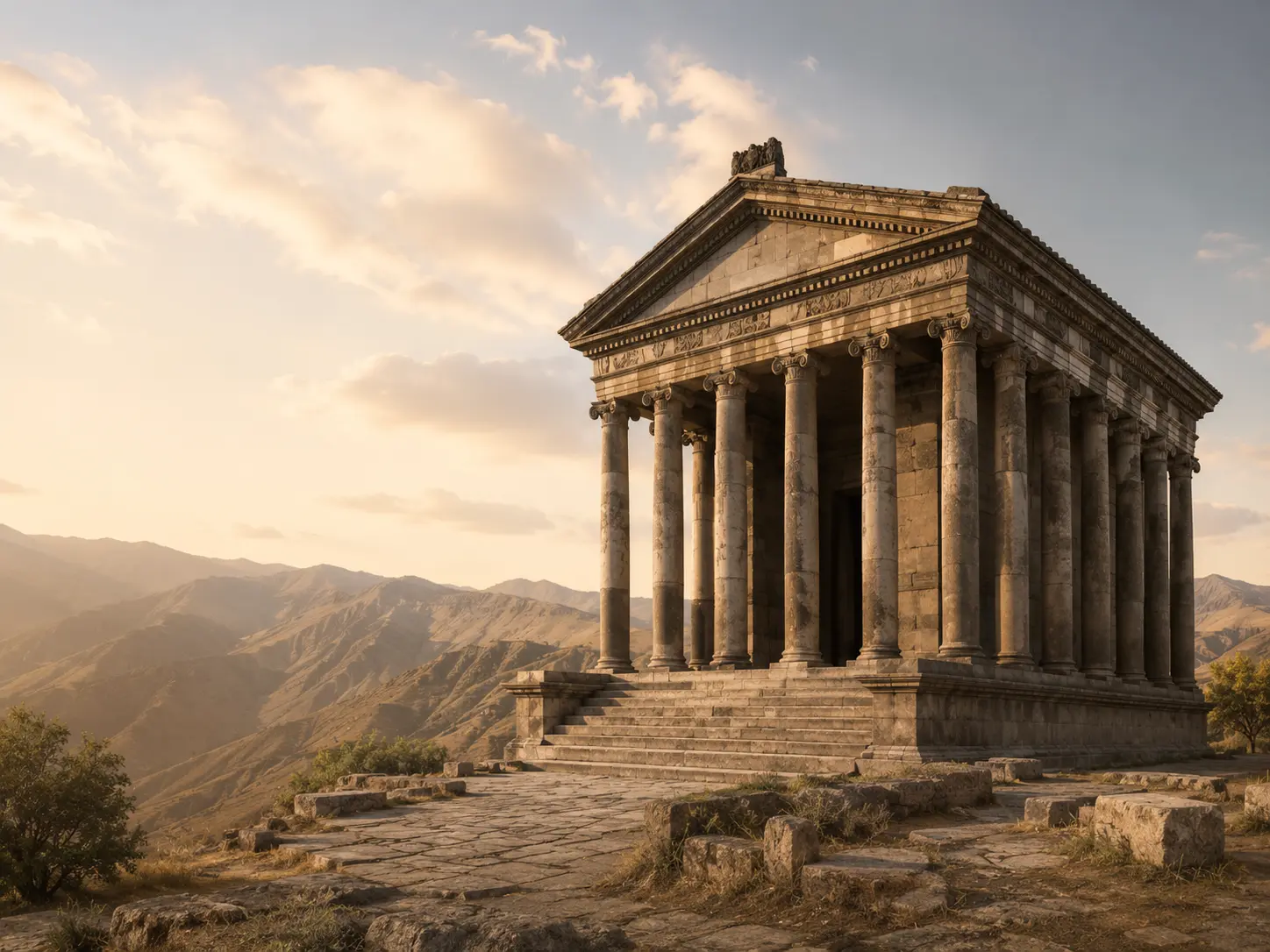
A colonnaded classical building on a promontory above the Azat gorge, the only one of its kind left in Armenia. An earthquake brought it down, and in the twentieth century it was put back up from the stones that fell.
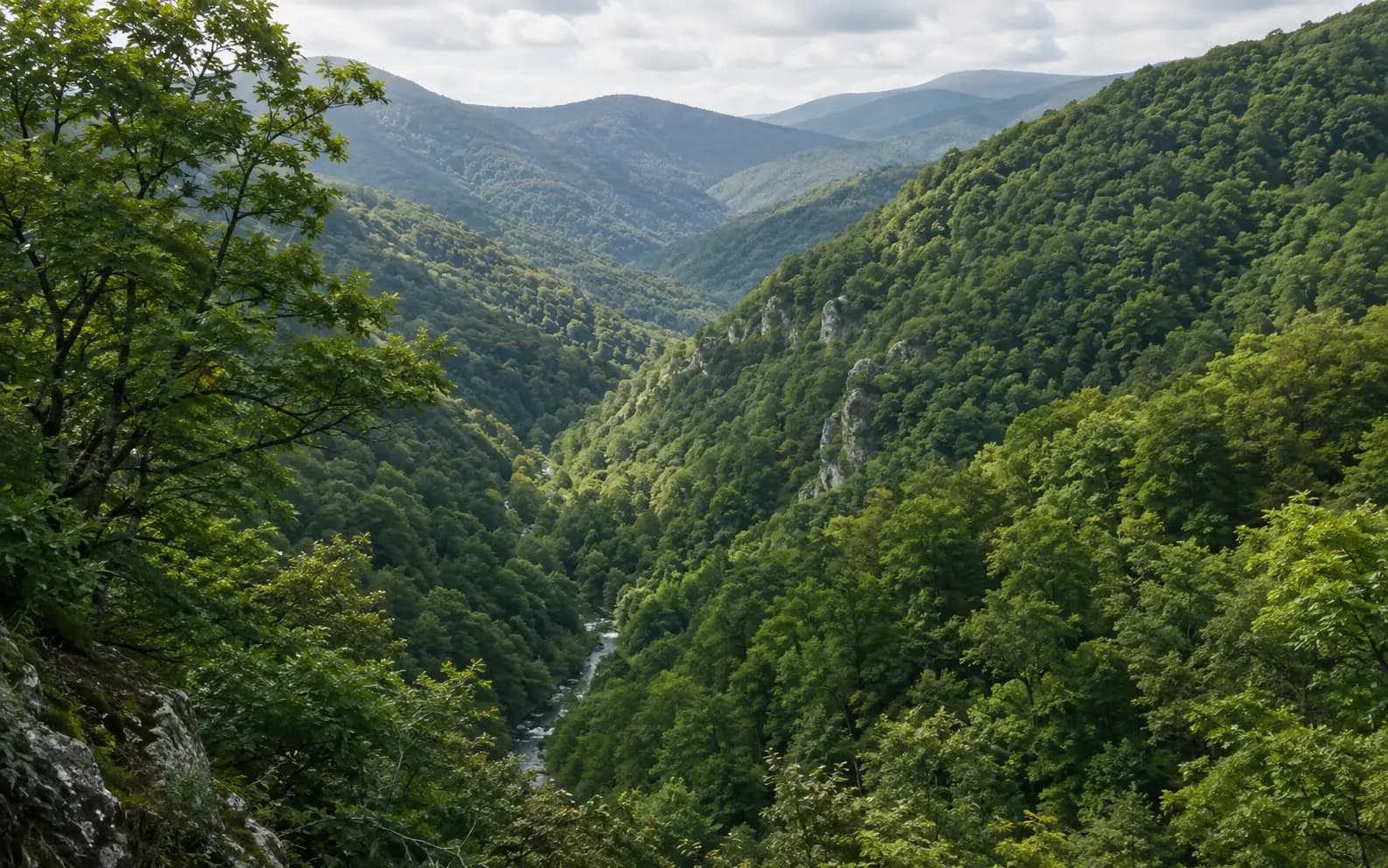
The forested protected area of north-eastern Armenia: oak, beech and hornbeam on the ridges above the Aghstev. It became a national park in 2002, on a reserve created in 1958, and it looks less like the Armenia of the photographs than any other part of the country.
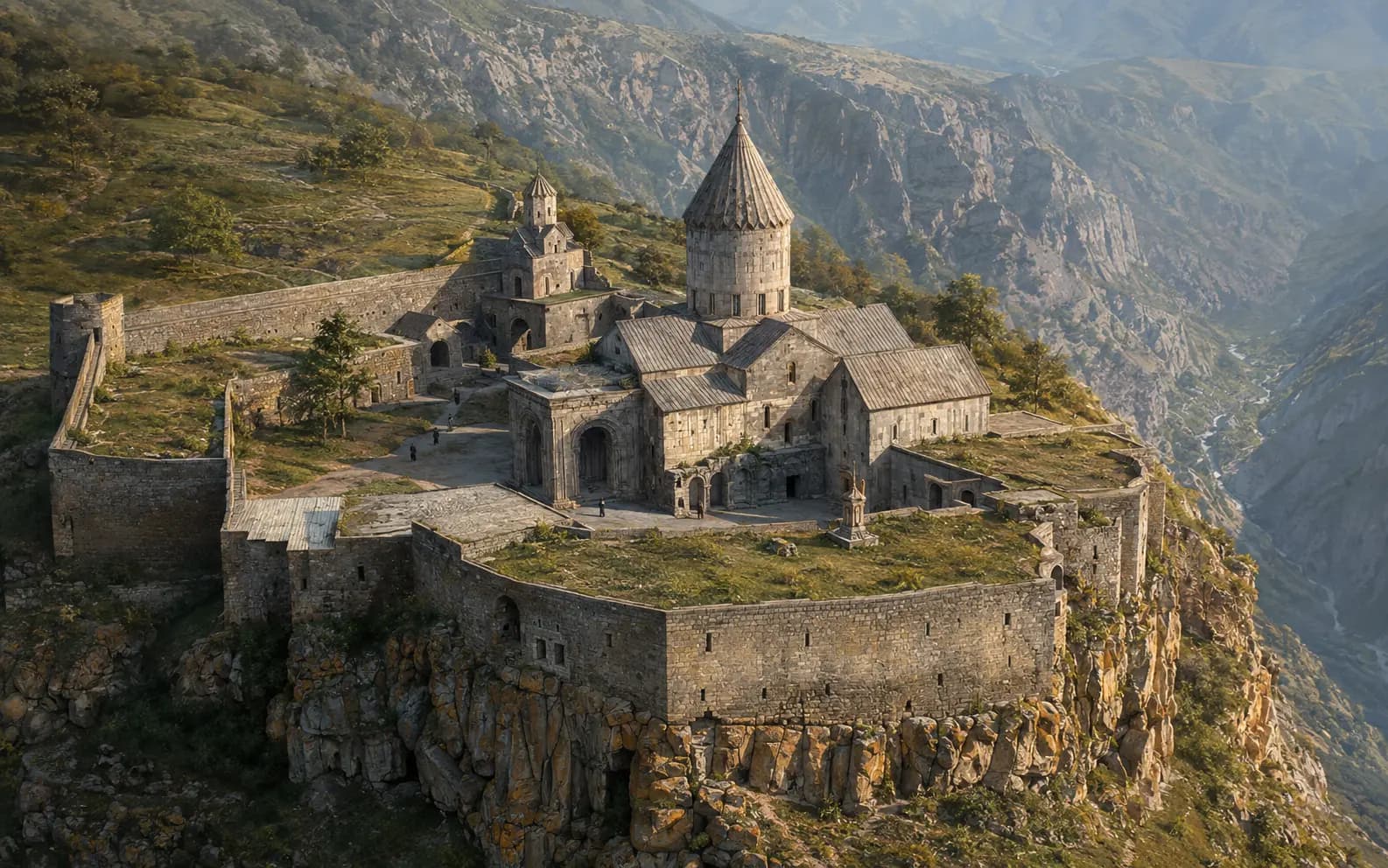
A monastery on a basalt shelf above the Vorotan gorge in Syunik. It was the seat of a bishop, home to the best-known school in medieval Armenia, and the place where a tenth-century stone column still rocks on its base.
On the map
See where Armat's featured places are located across Armenia. Select a marker to read what a site is before you go and see it.
Select a place on the map to see what it is.
By kind of site
The same four groups the places listing filters by. Each one opens the full listing with that filter applied.
At the table
Four dishes of four different kinds — a bread, a main dish, food from the grill and a sweet — each explained as cooking rather than as a menu.
Cuisine
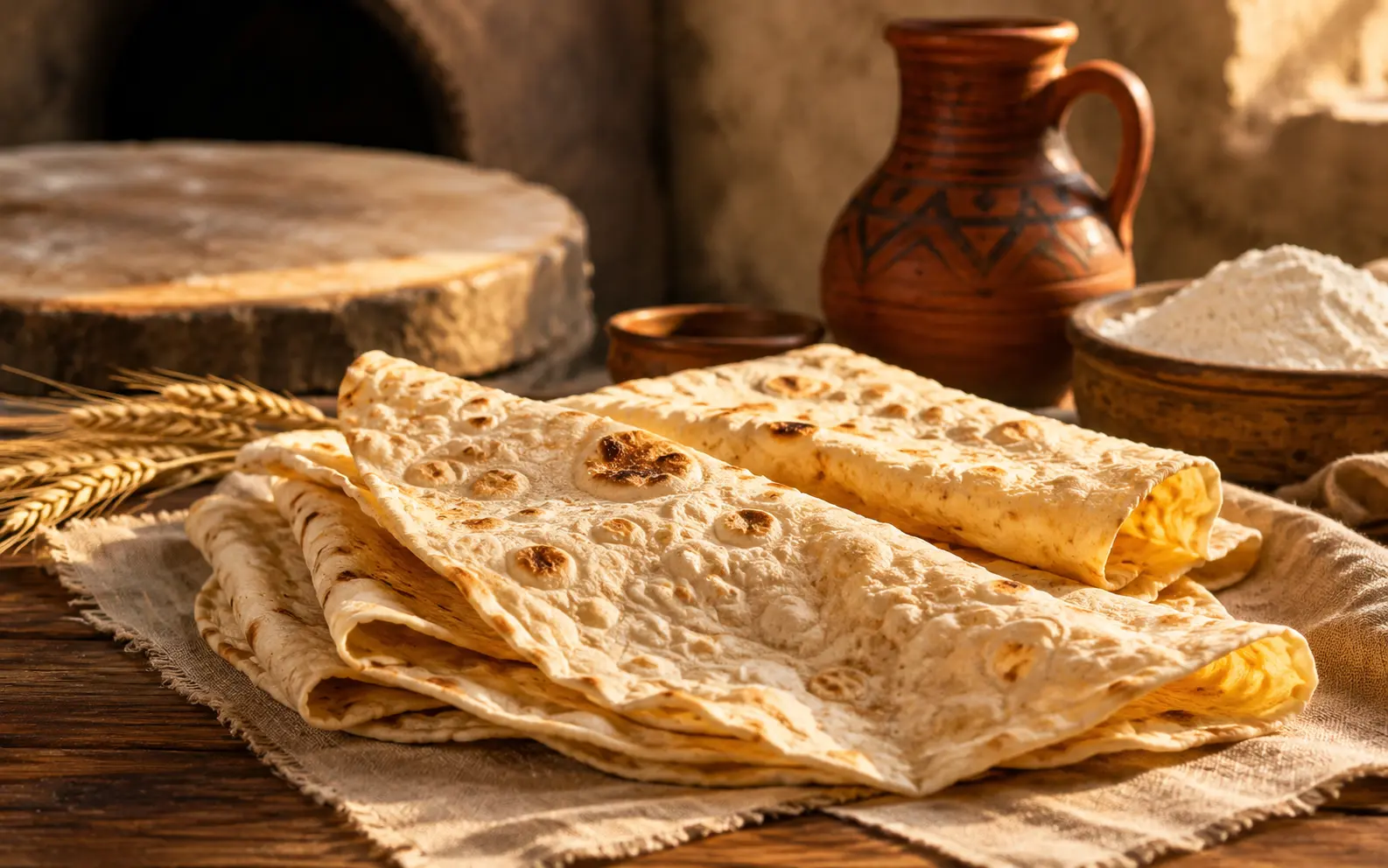
The thin flatbread baked on the wall of a clay tonir. UNESCO listed it in 2014 for how Armenians make, share and use it, and listed it again in 2016 for five other countries.
7 min read
Cuisine
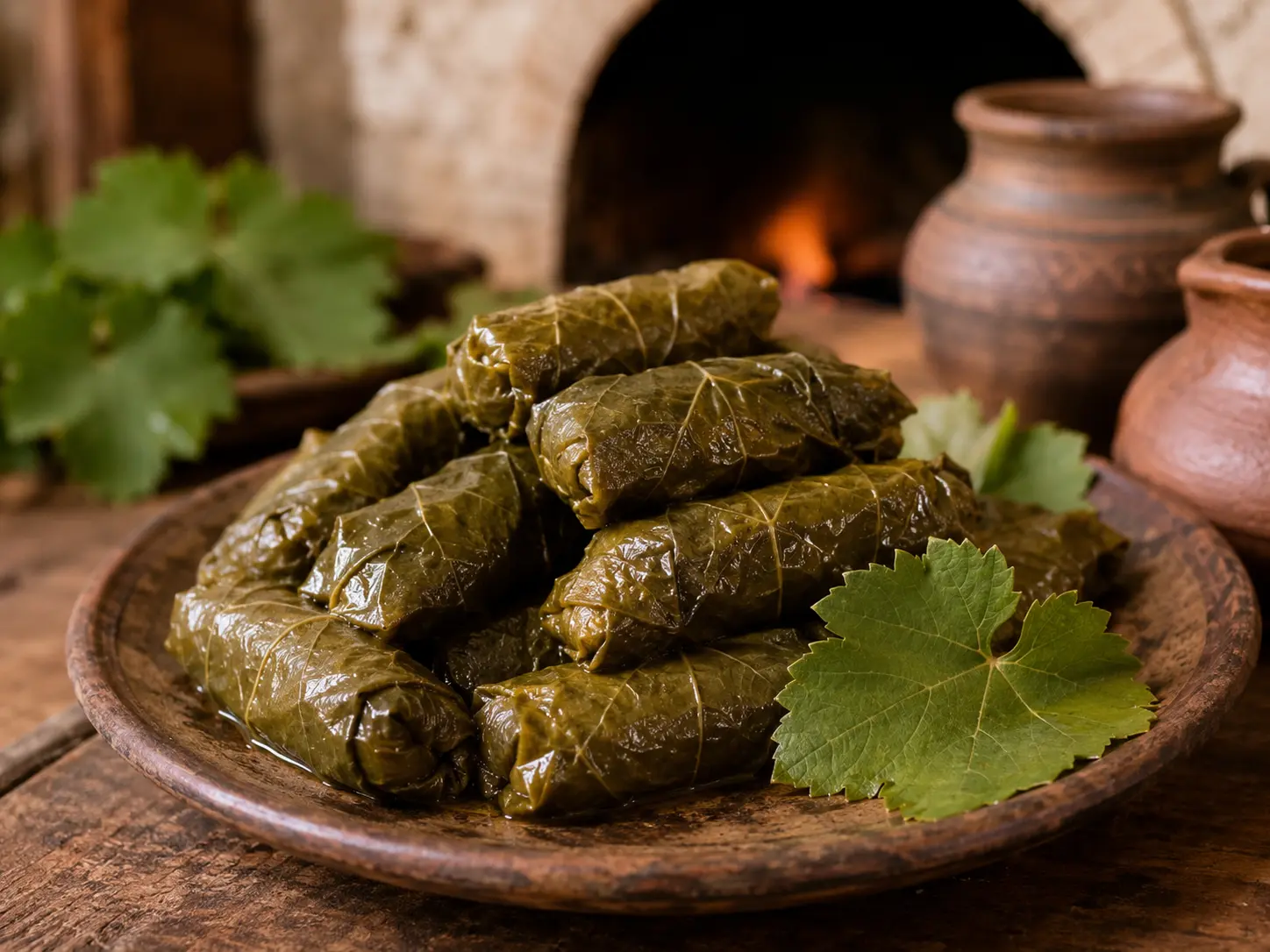
Vine leaves and hollowed vegetables filled with rice, herbs and often meat. The dish is made across the whole region, which is exactly why this section does not name a single owner for it.
7 min read
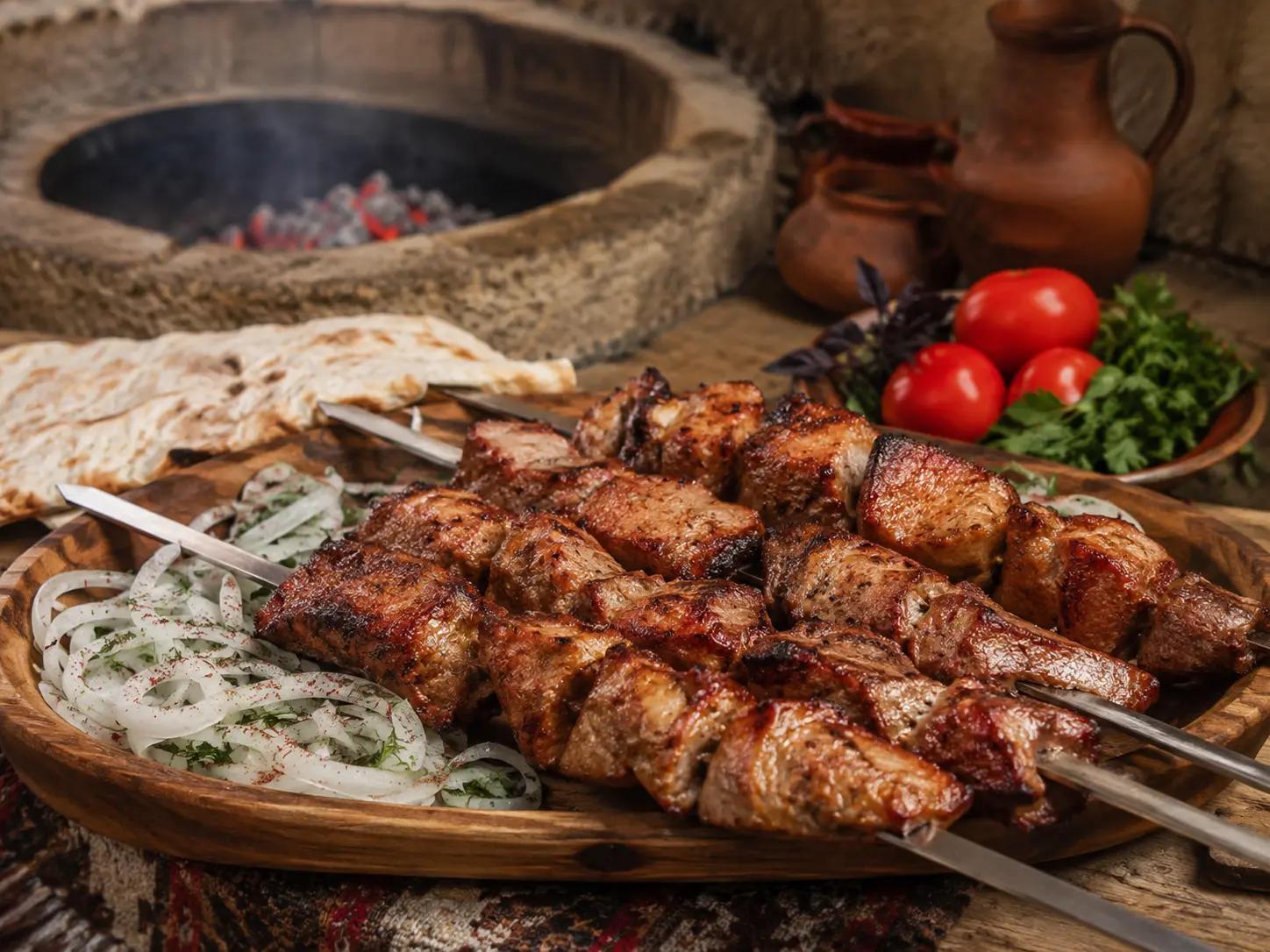
Cuisine
Meat grilled over open embers, and the gathering built around it: who lights the fire, who tends it, and how it differs from the communal meal of a madagh.
6 min read
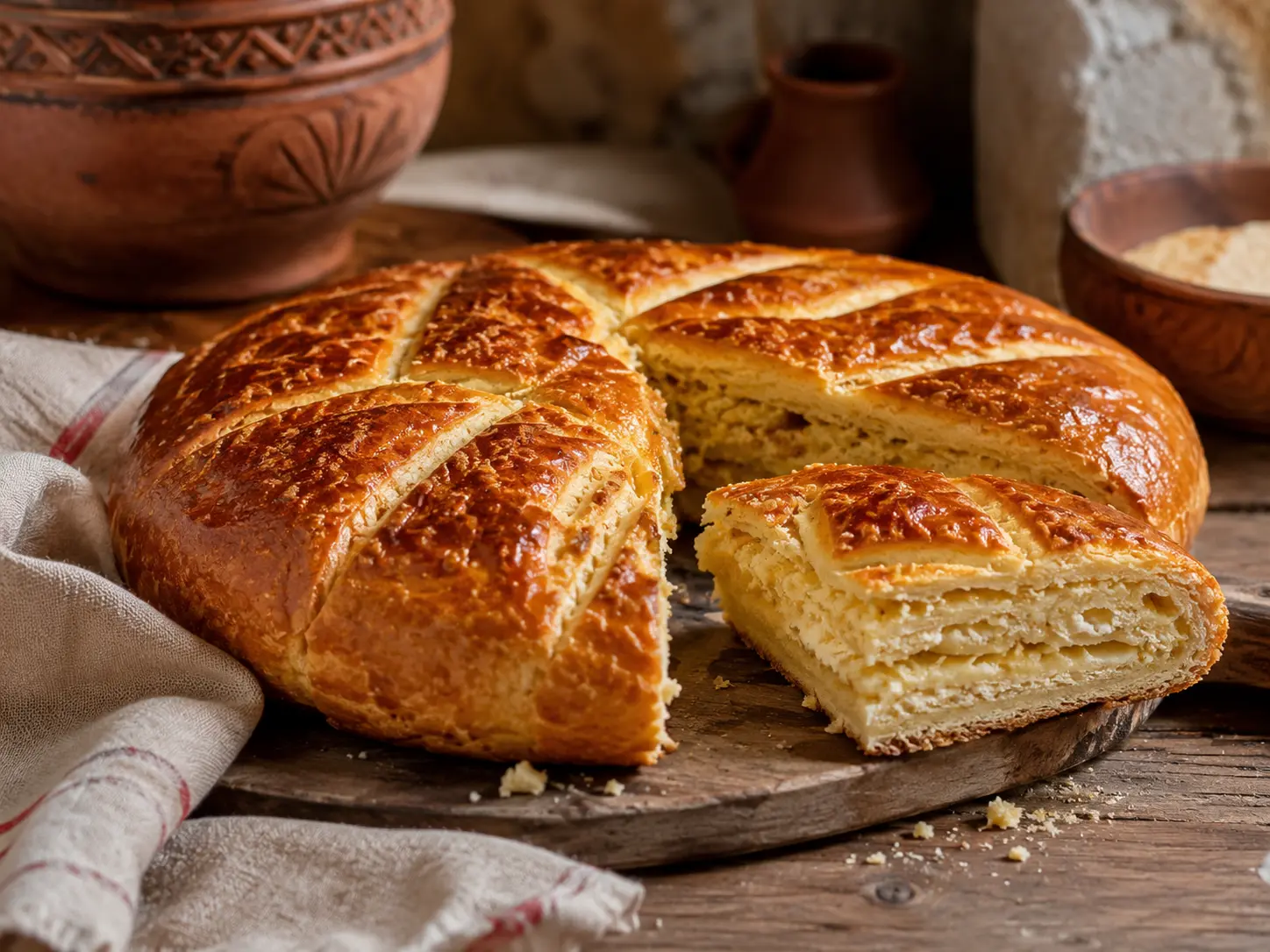
Cuisine
A sweet pastry built around khoriz, a crumbly mix of flour, butter and sugar. Nearly every village that bakes it gives it its own shape and pattern.
6 min read
Context
Four articles that explain what the places above are evidence of. Each is already linked from the sites it belongs with.
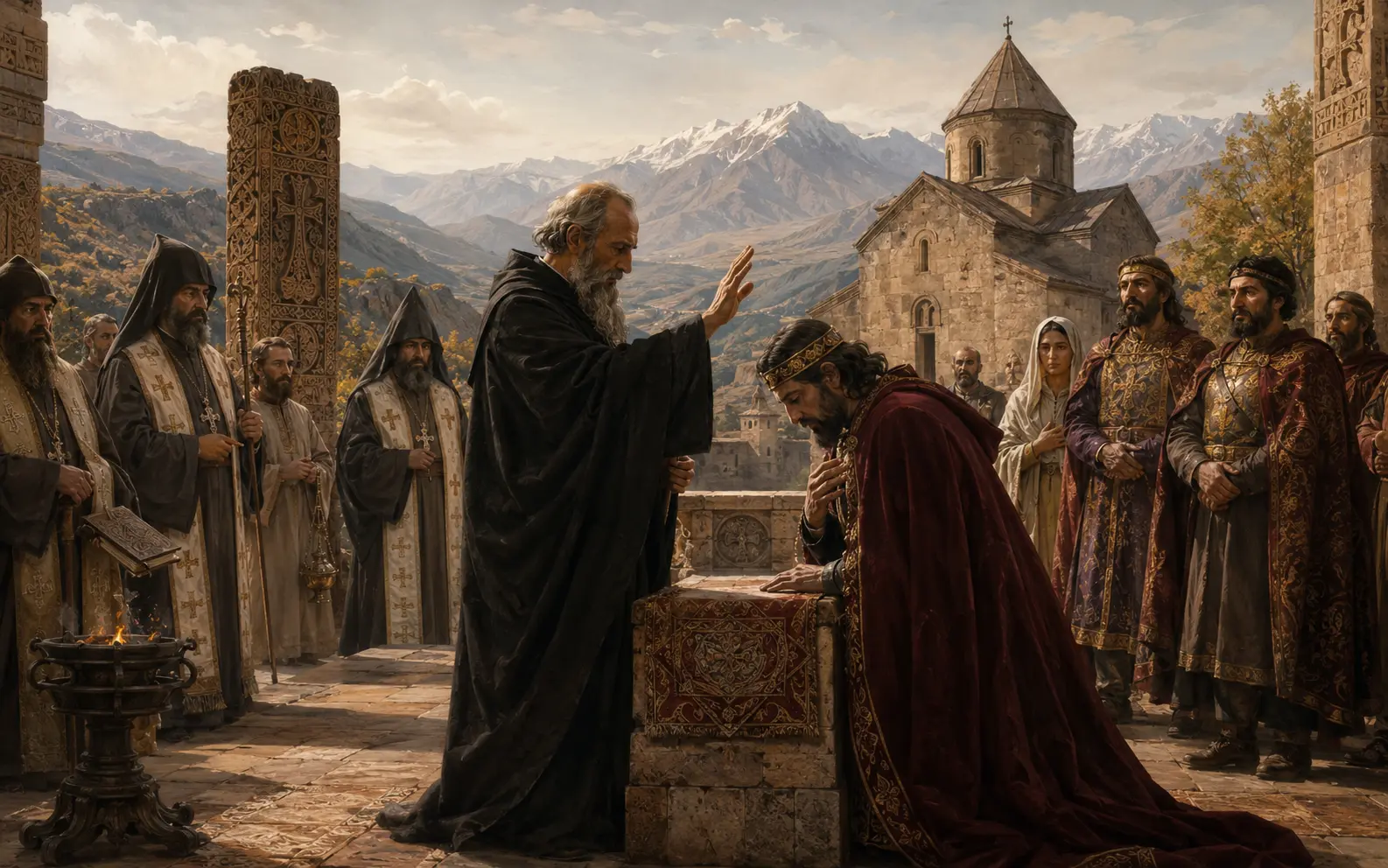
History
Armenia is traditionally recognised as the first state to adopt Christianity as its official religion, a decision that reshaped its law, art and identity.
10 min read
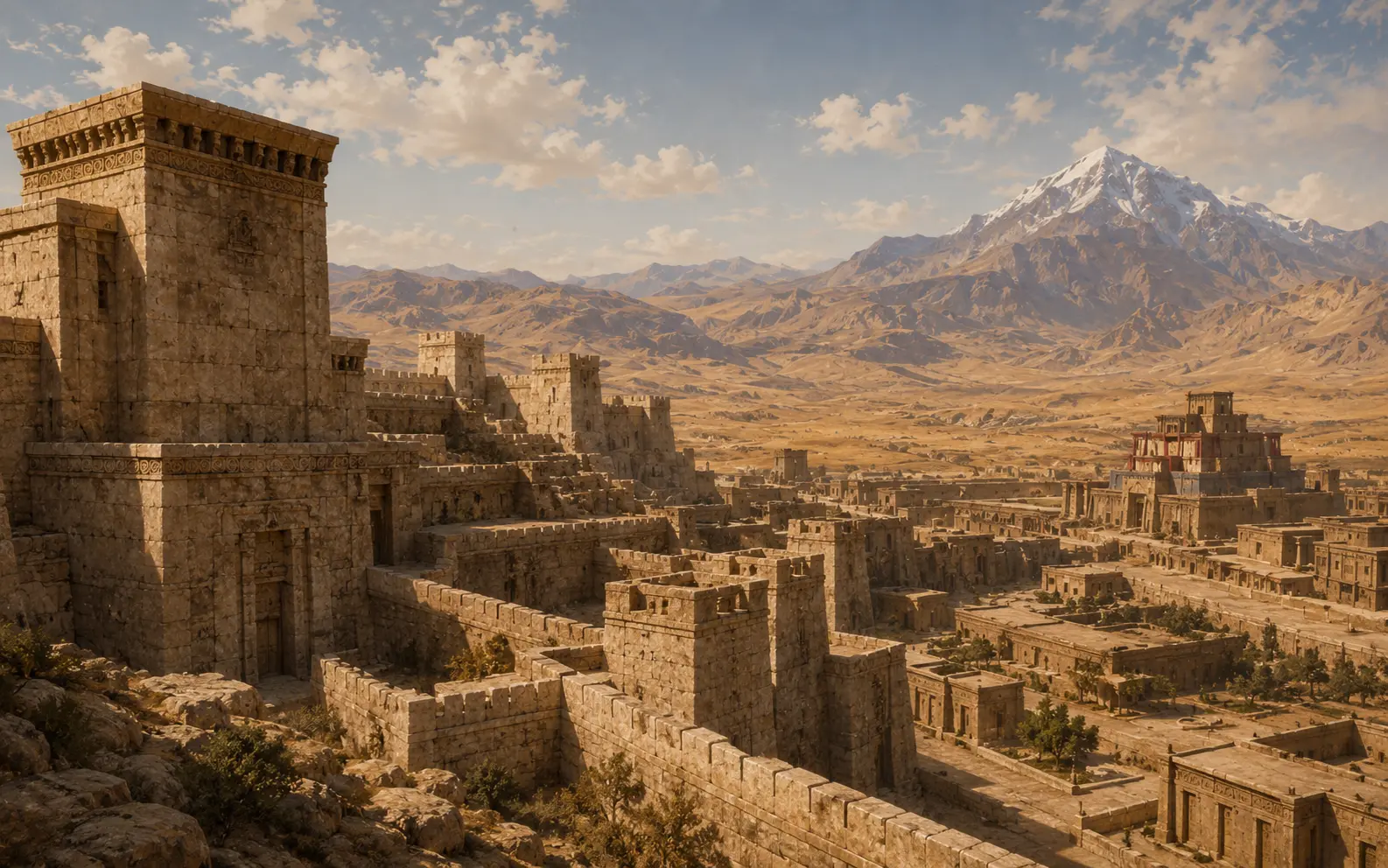
History
Urartu was a powerful highland kingdom around Lake Van whose fortresses, canals and cuneiform records shaped the later history of the Armenian Highlands.
12 min read

History
Around 405 the scholar and monk Mesrop Mashtots created an alphabet that gave Armenian its own written voice and reshaped the nation's culture.
9 min read
History
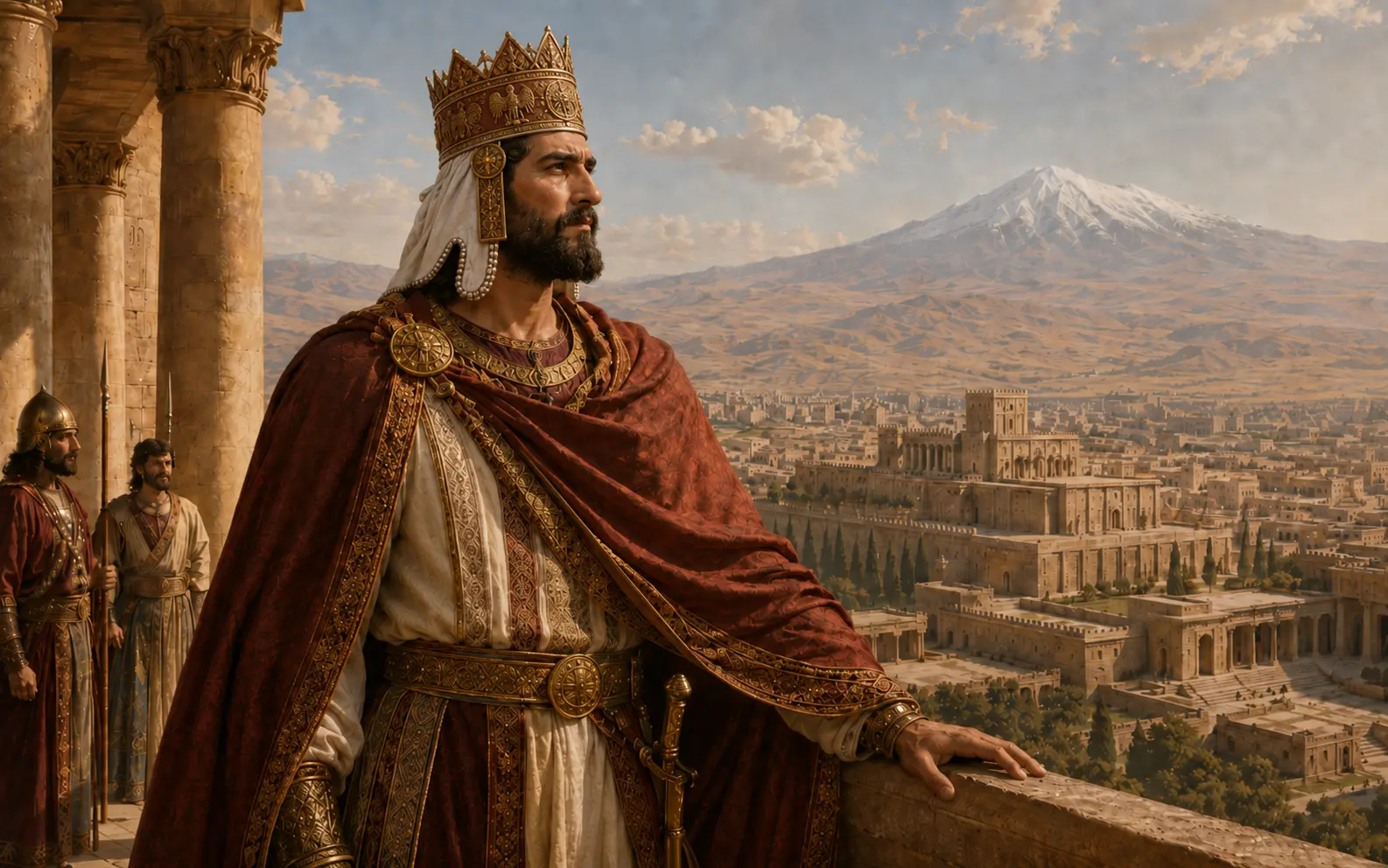
The Artaxiad king who expanded Armenia into the strongest state of the Near East, founded Tigranocerta, and met the Roman legions of Lucullus and Pompey.
10 min read