
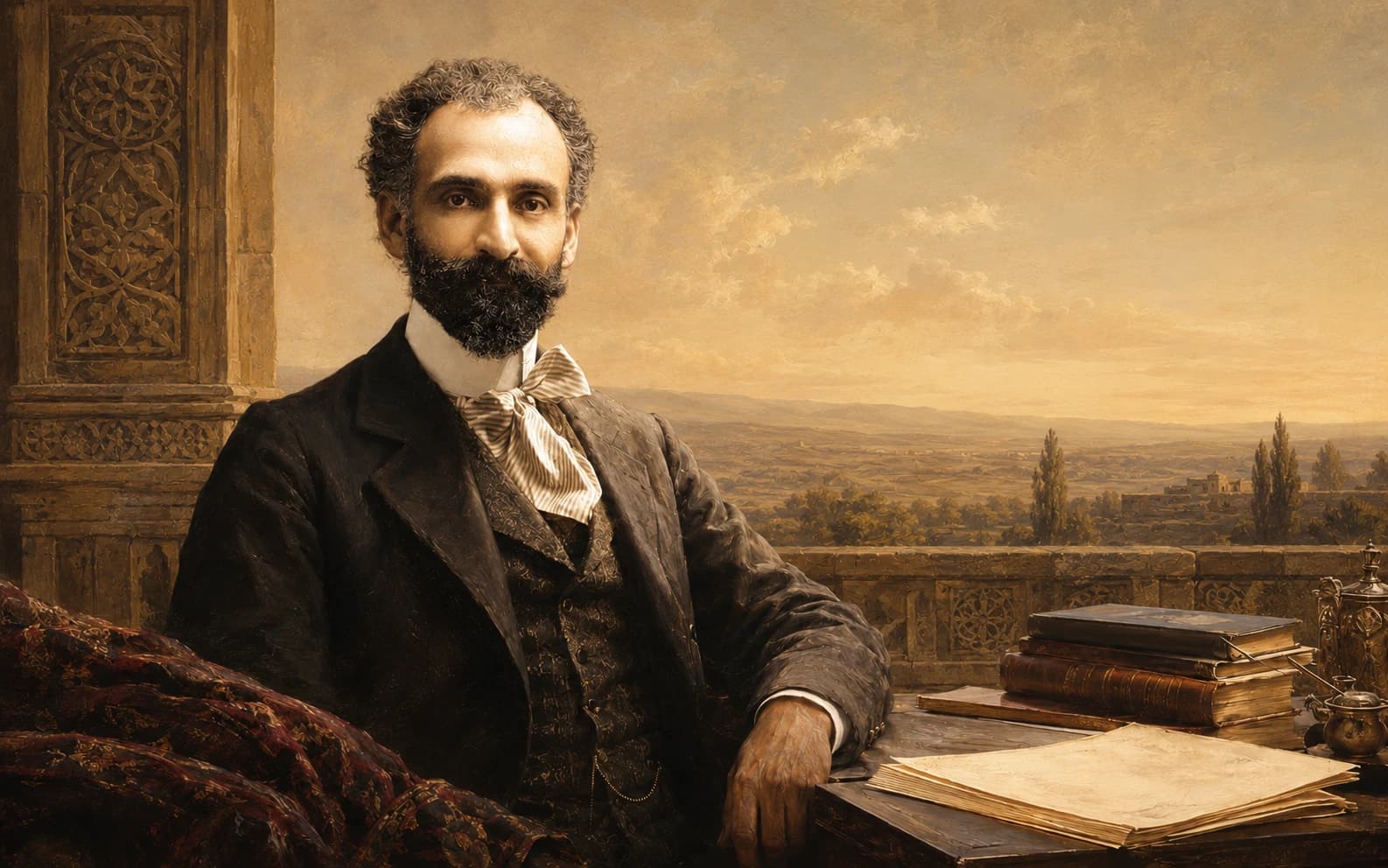
Hovhannes Tumanyan
1869–1923
Often called the poet of all Armenians, Tumanyan turned village life, folk tales and legends into poetry that is still read in every Armenian classroom.
Read the biographyArmenian literature is carried by a small number of writers whose work almost every Armenian family knows by heart. These biographies explain who they were, what they wrote, and why their books still matter — in language students can actually use.
12 writers available
Featured writer
1869–1923
Often called the poet of all Armenians, Tumanyan turned village life, folk tales and legends into poetry that is still read in every Armenian classroom.
All writers
Six writers who span two centuries of Armenian literature, each with a full biography.
1869–1923
Often called the poet of all Armenians, Tumanyan turned village life, folk tales and legends into poetry that is still read in every Armenian classroom.
Read the biography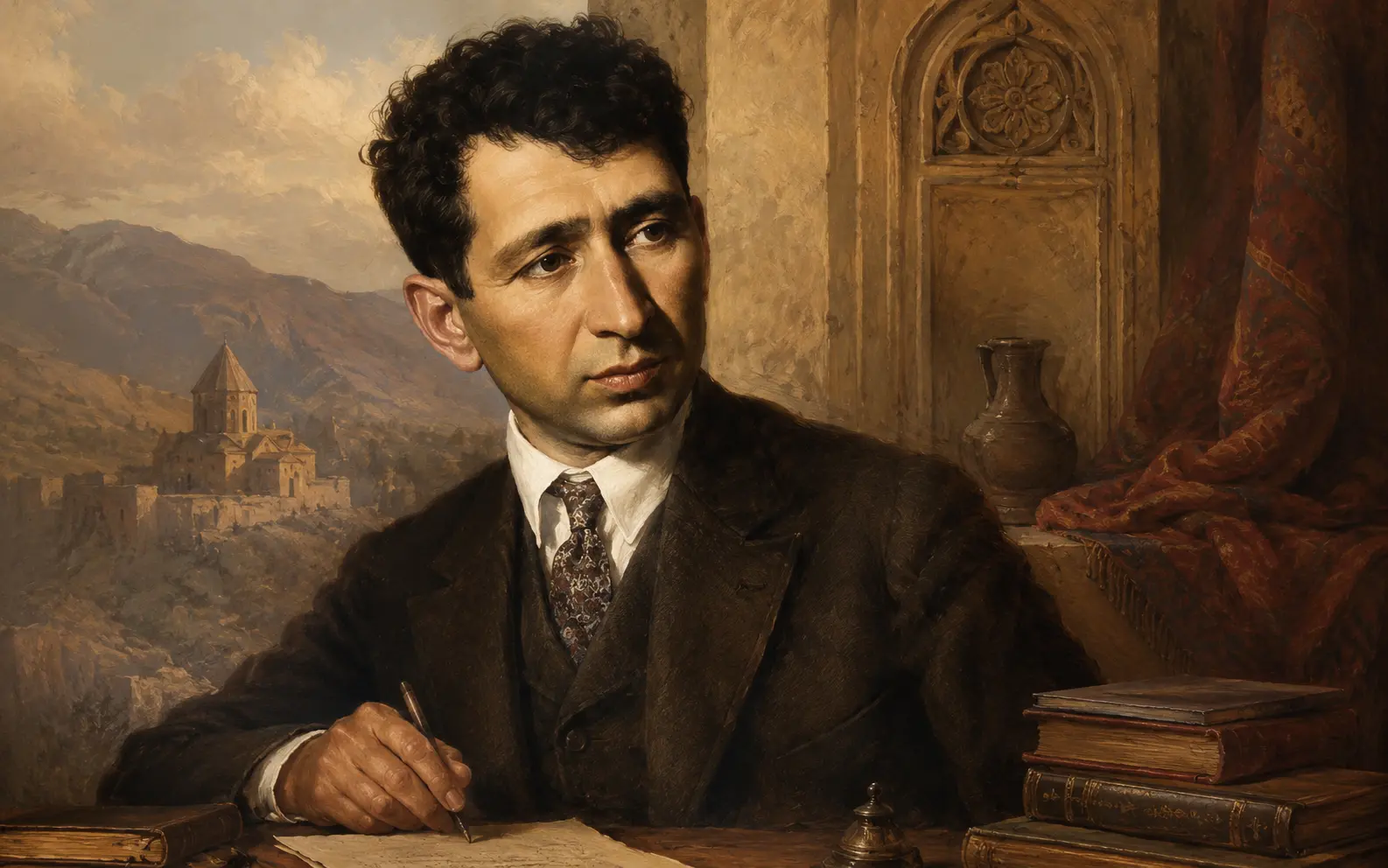
1897–1937
The defining voice of twentieth-century Armenian poetry, who combined modernist experiment with an intense attachment to his homeland.
Read the biography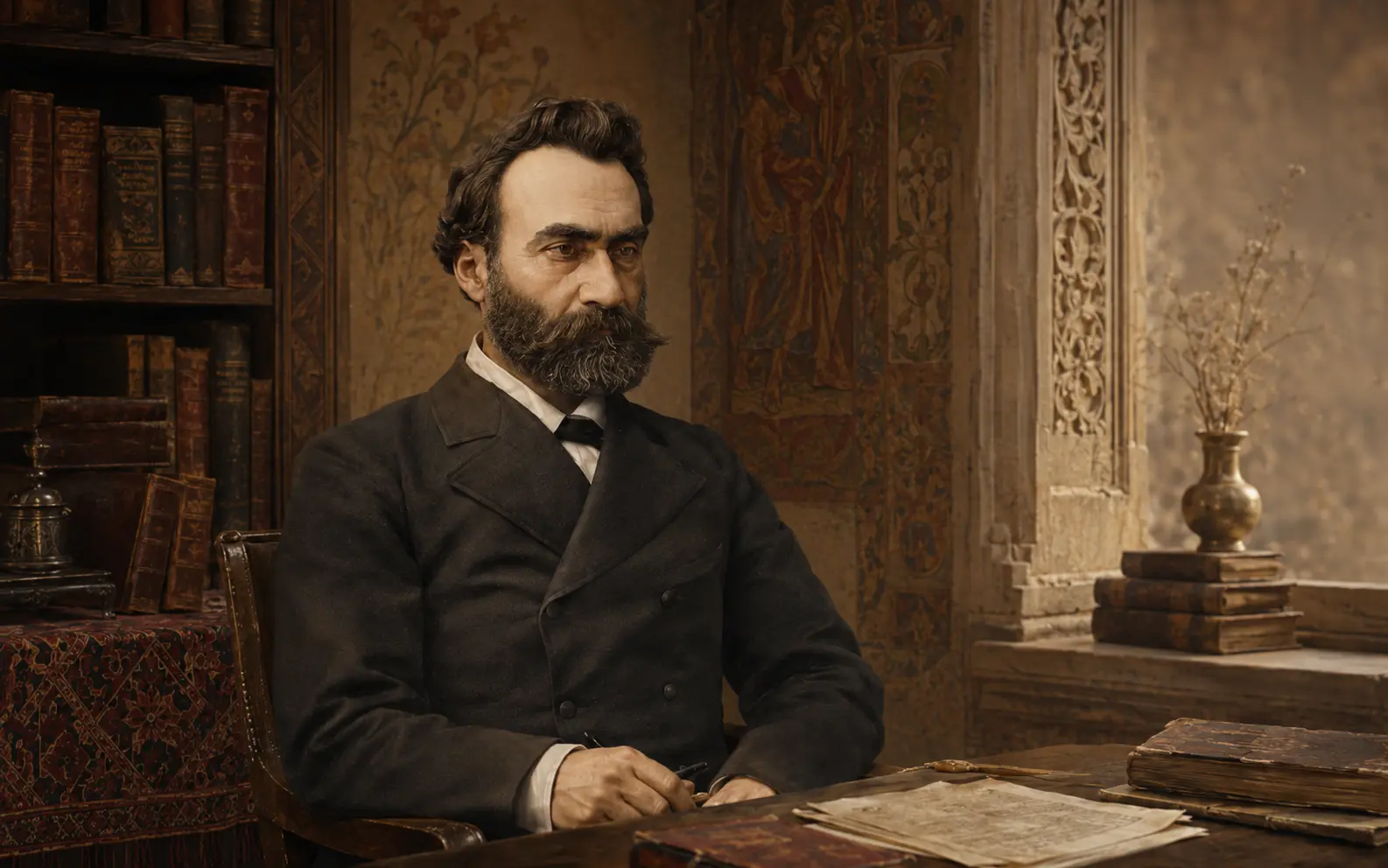
1835–1888
The founder of the Armenian historical novel, whose books shaped how a whole generation understood its own past and future.
Read the biography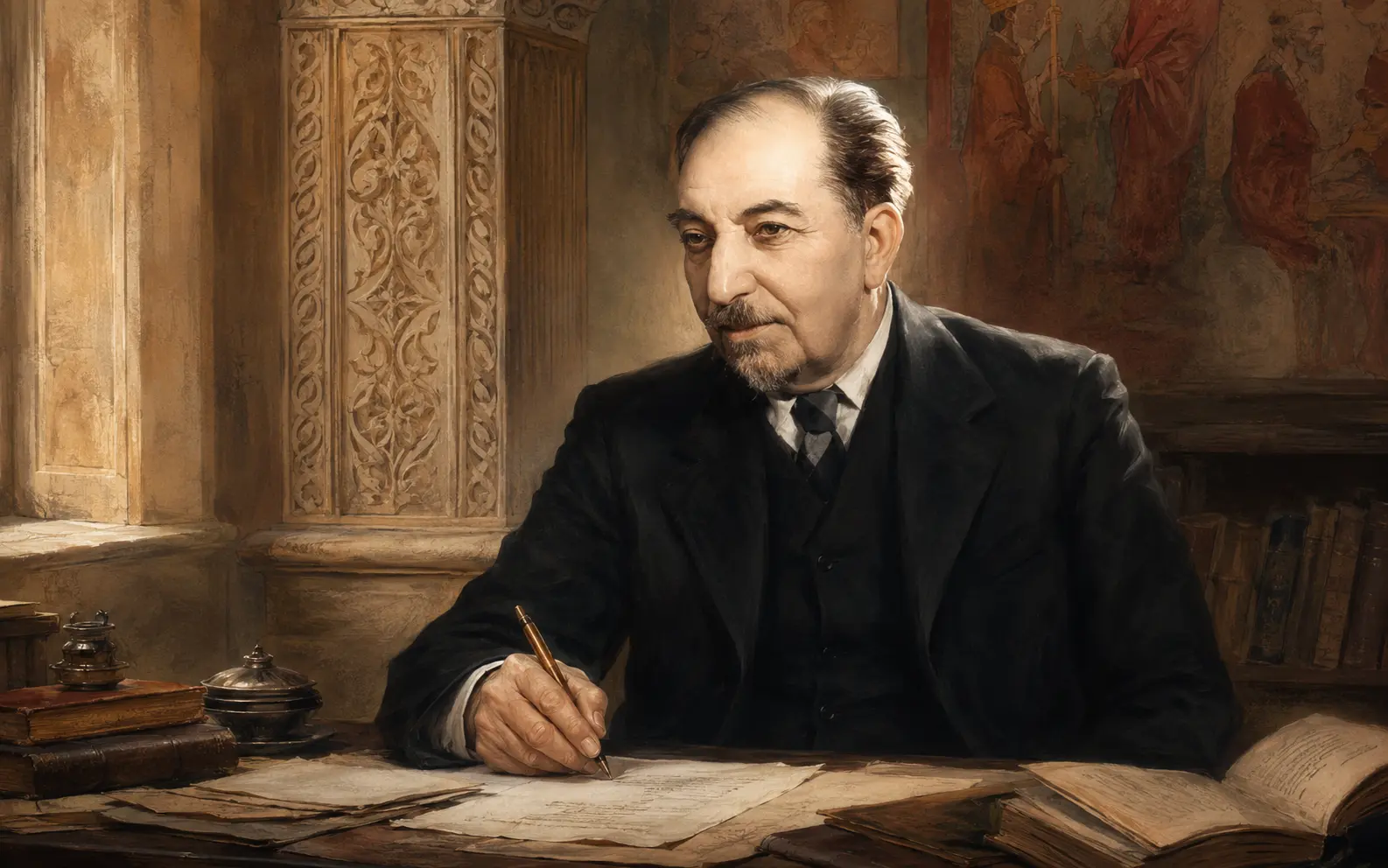
1875–1957
A lyric poet of exile and longing whose songs entered Armenian popular memory, admired abroad by writers including Alexander Blok.
Read the biography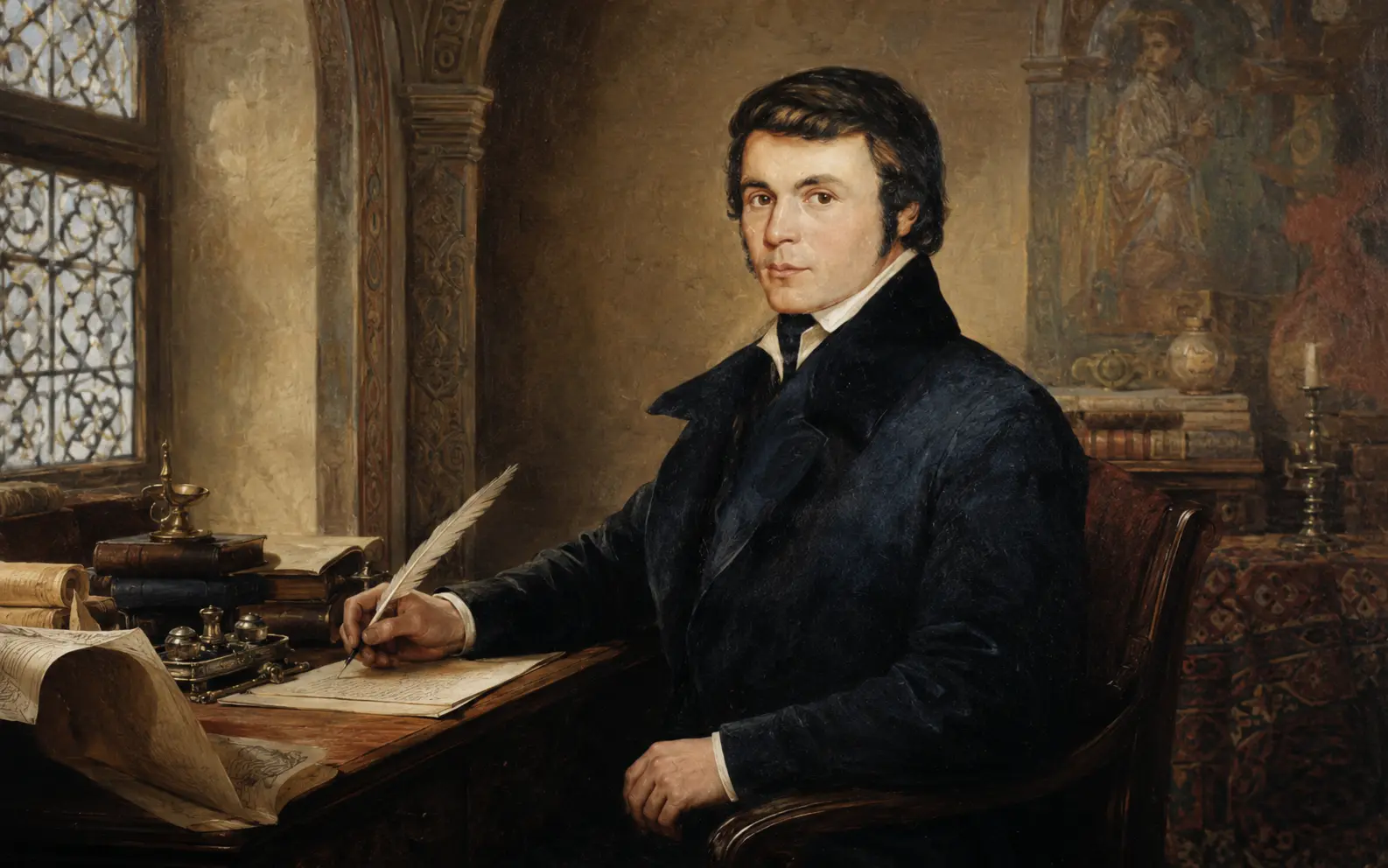
1809–1848
The father of modern Armenian literature, who wrote the first novel in the spoken language and worked to make schooling accessible.
Read the biography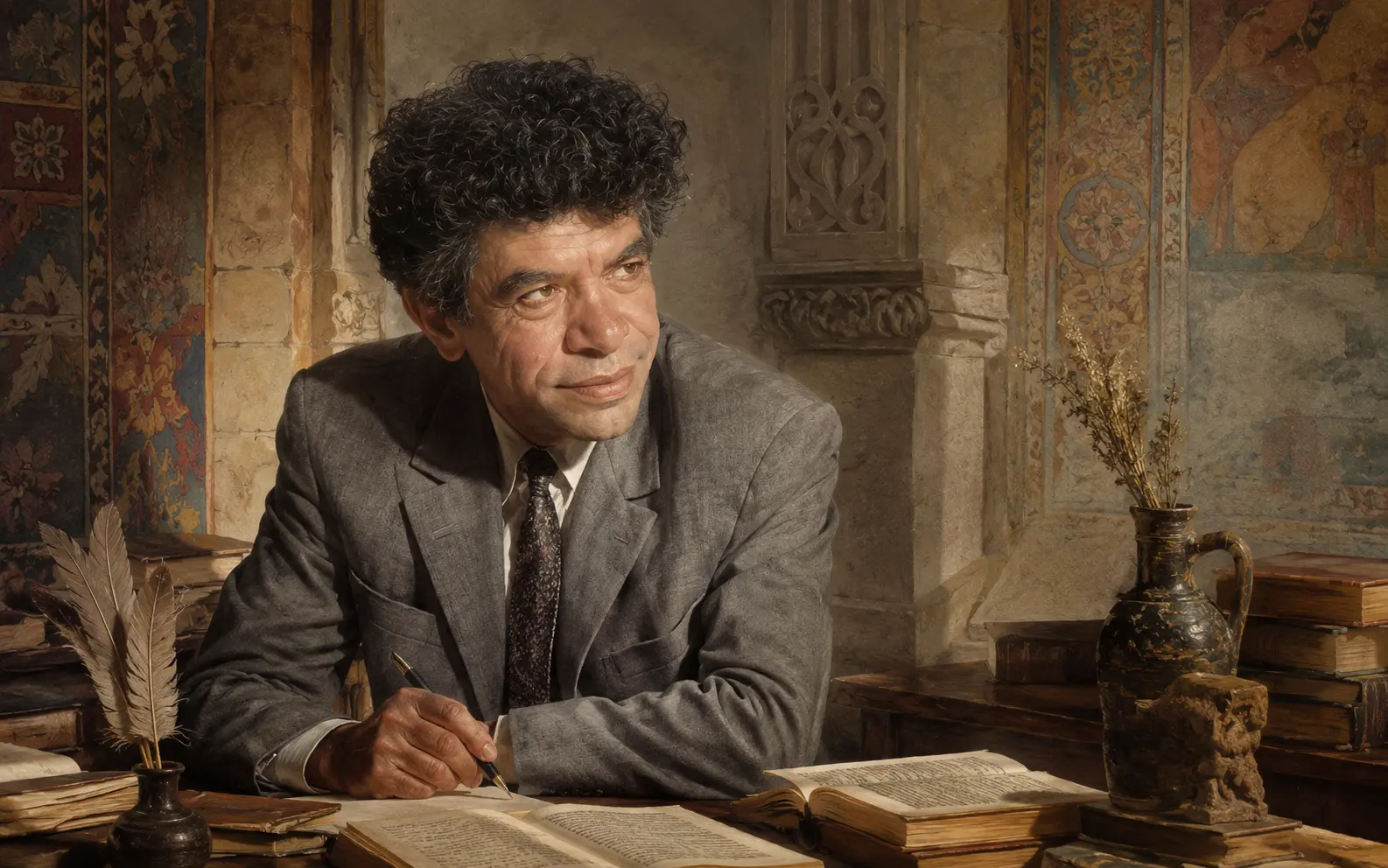
1924–1971
A poet of conscience and memory whose long poem The Unsilenceable Belfry brought the Armenian Genocide back into public conversation.
Read the biography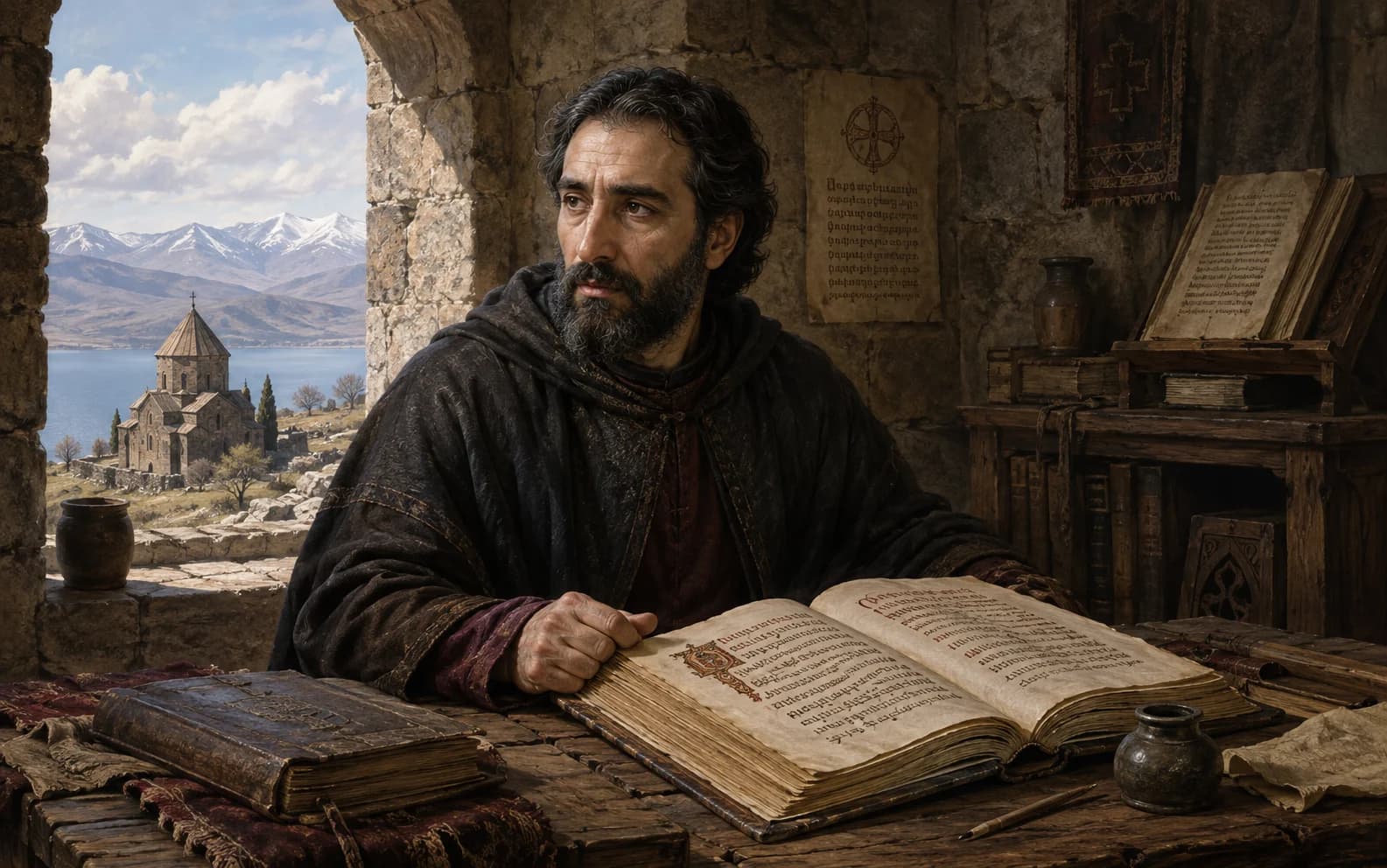
about 951–1003
The monk of Narek whose Book of Lamentations became the most copied and most read work of classical Armenian literature, and the first medieval writer in this section.
Read the biography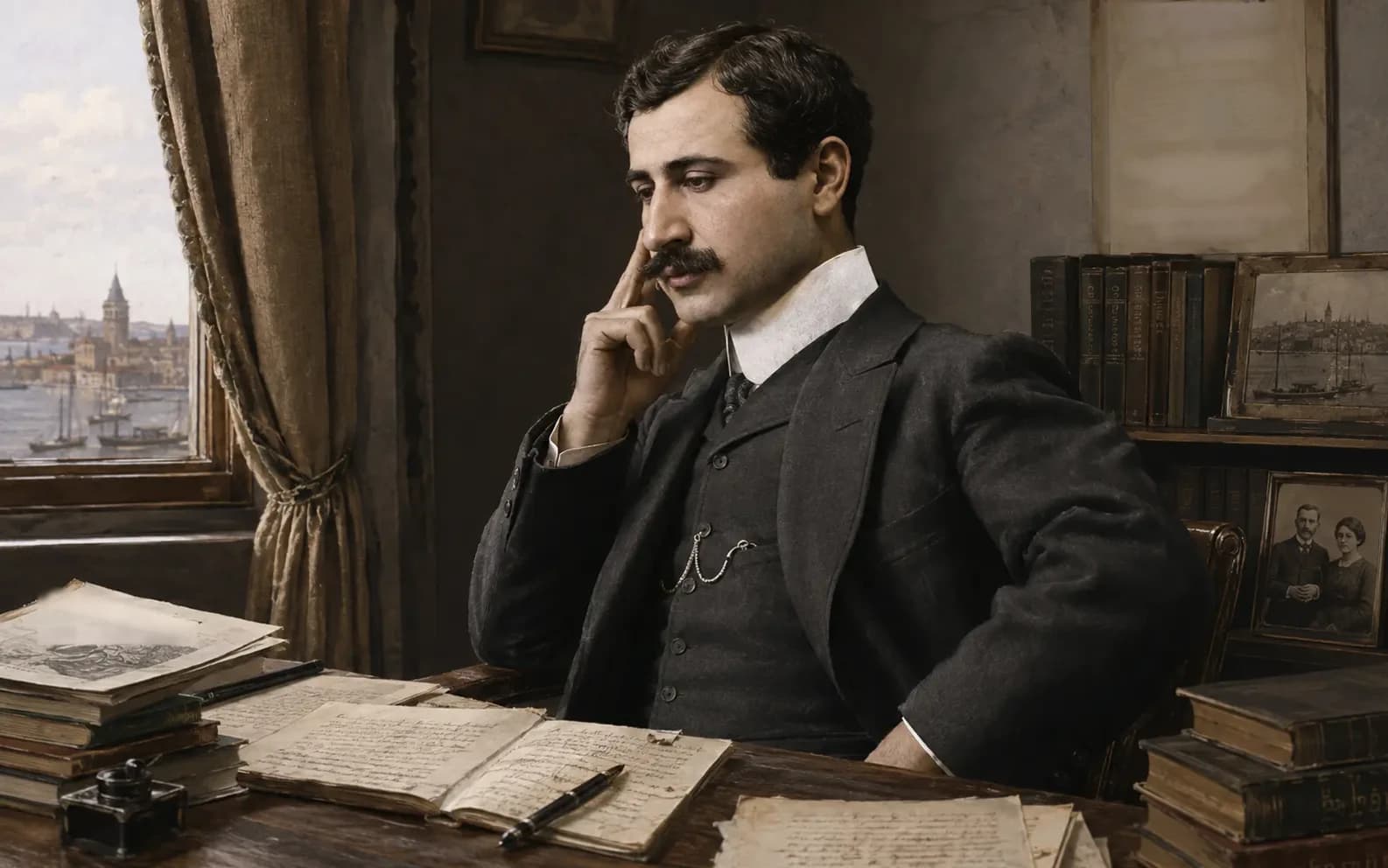
1884–1915
The Western Armenian poet of Pagan Songs and The Song of the Bread, who enlarged what the literary language could do and was killed in 1915 at the age of thirty-one.
Read the biography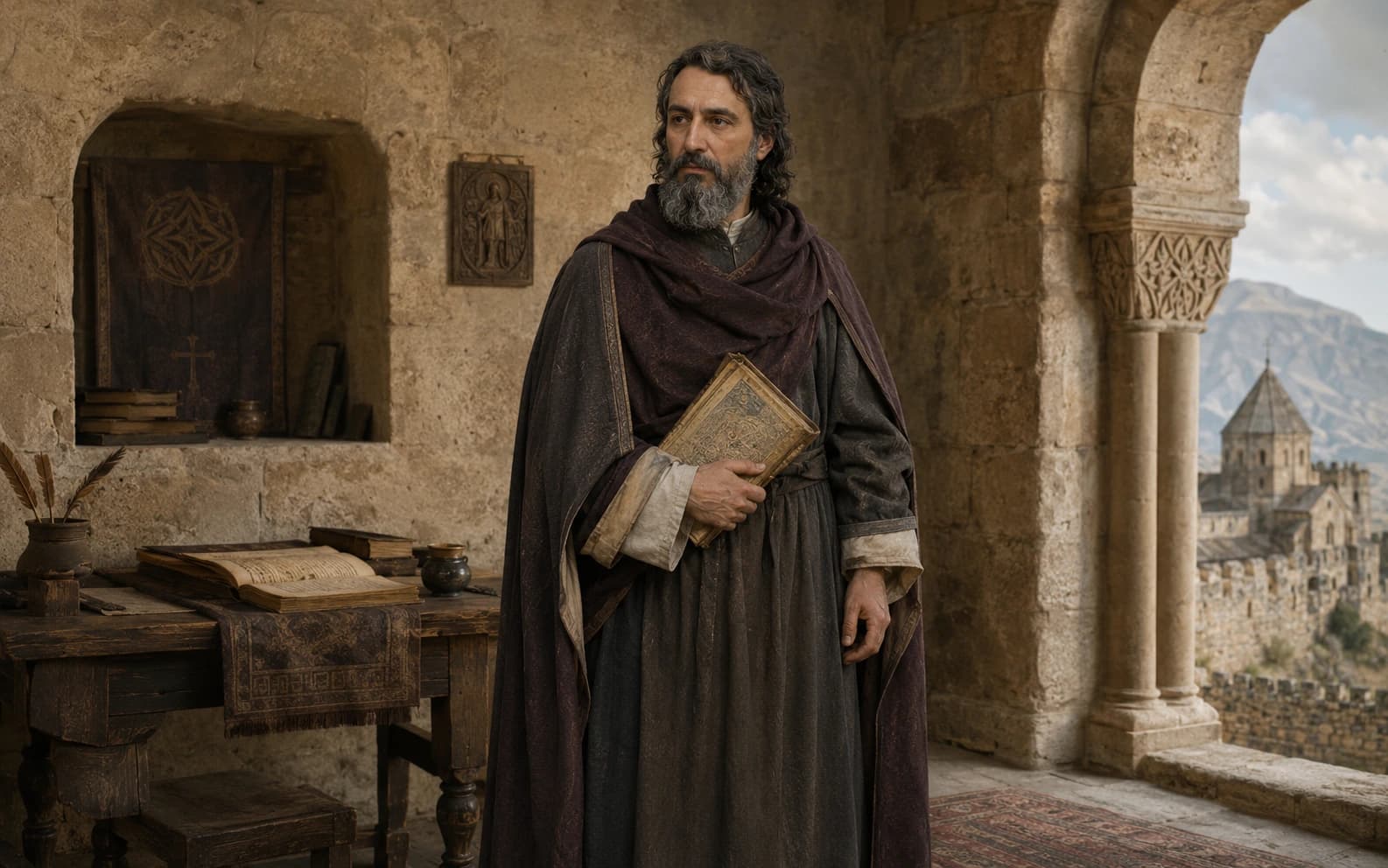
about 1102–1173
The twelfth-century poet of Cilicia who wrote a verse history of Armenia in a single rhyme, the Lament on Edessa, and hymns still sung today, and who led the Armenian church for the last seven years of his life.
Read the biography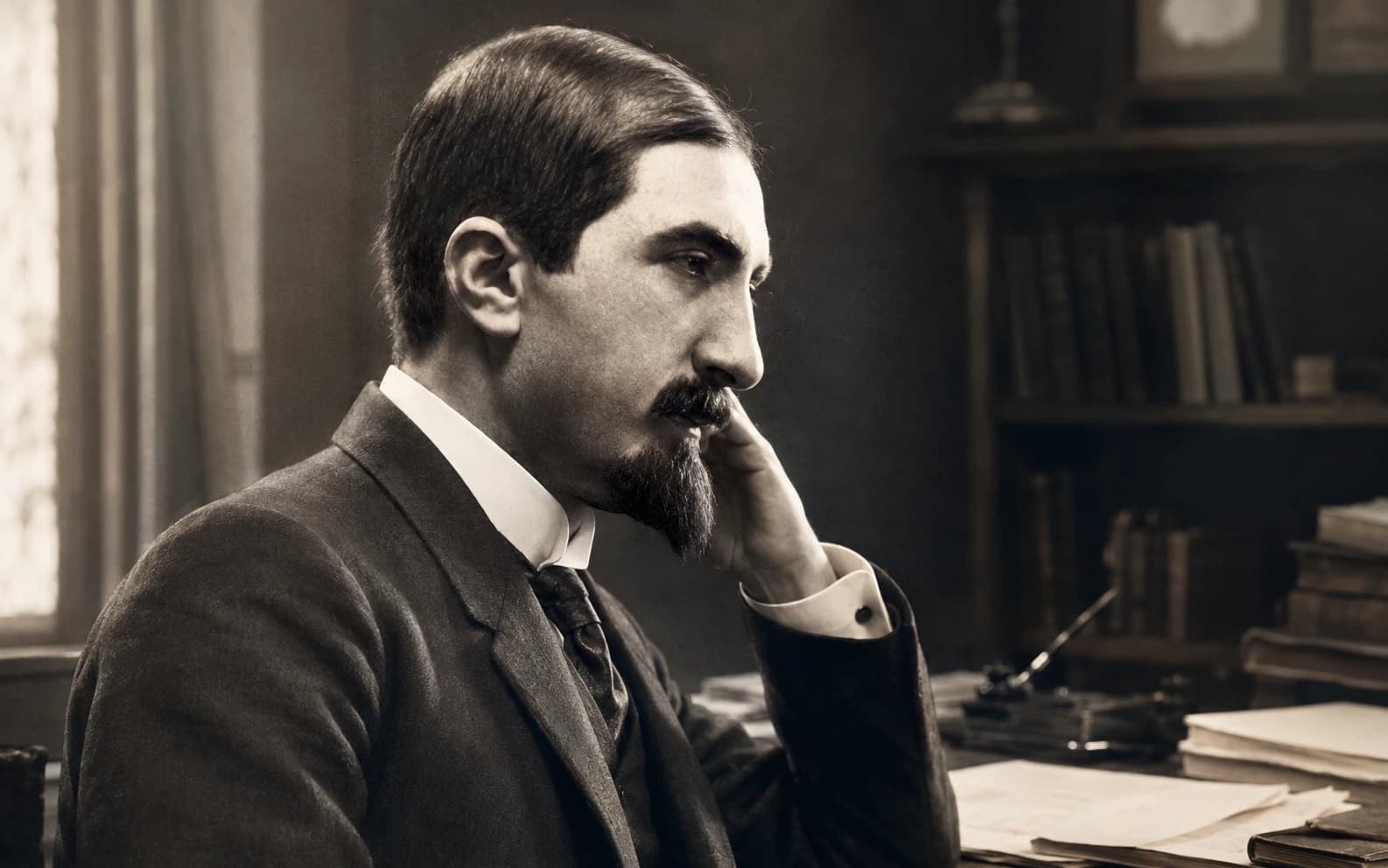
1878–1915
The Western Armenian poet born Atom Yarjanian, who gave Armenian free verse its form and wrote the Adana massacre of 1909 into poetry in the year it happened.
Read the biography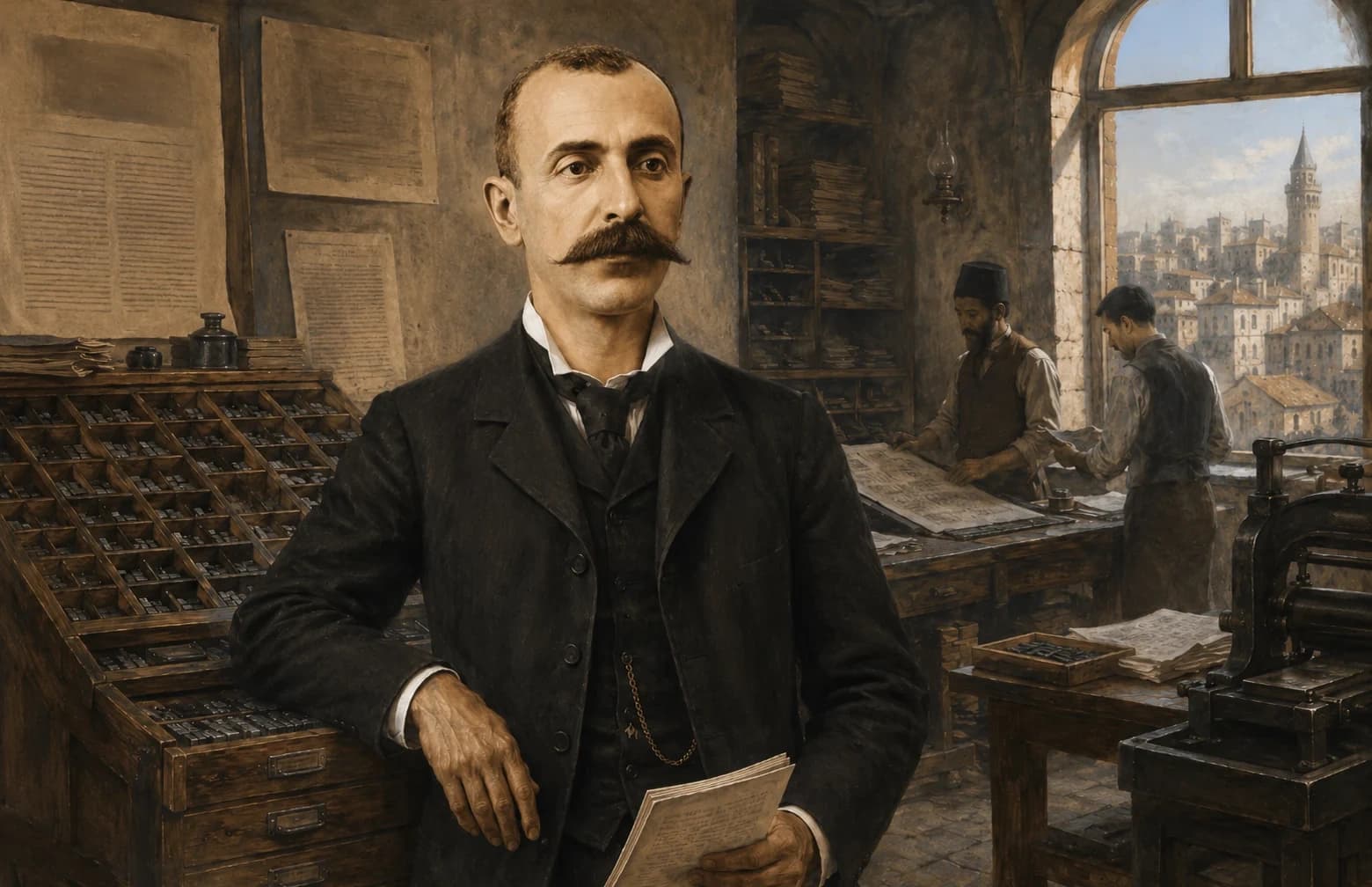
1843–1891
The Constantinople satirist and playwright, known in English as Hagop Baronian, whose comedies and satirical journals made Ottoman Armenian city life a literary subject.
Read the biography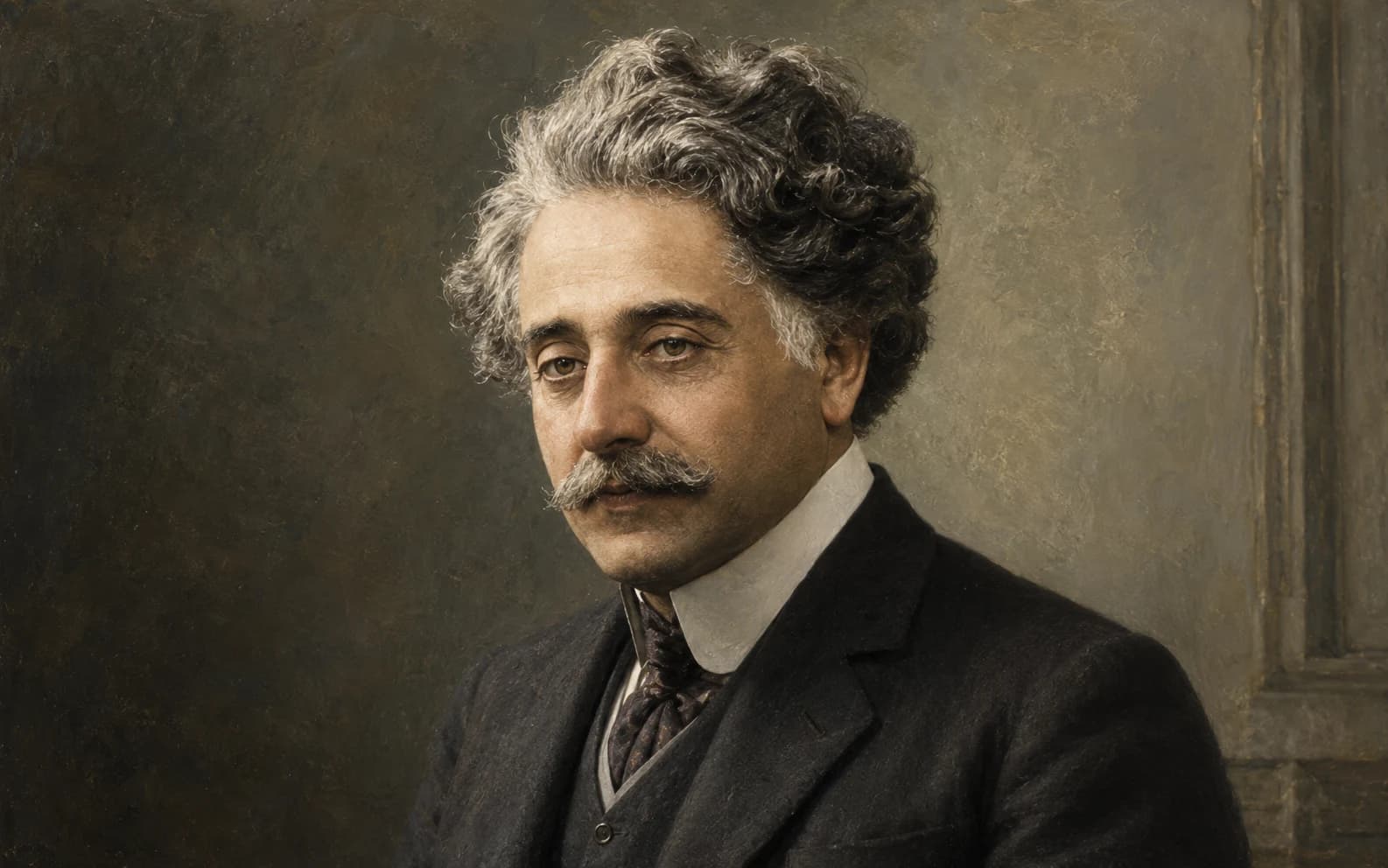
1858–1935
The realist of oil-boom Baku, born Alexander Movsisyan, whose novels and plays made money, family and social standing the central subject of Armenian prose.
Read the biographyNewsletter
New biographies and article summaries, once a month.
No spam, and you can unsubscribe at any time.