Armenian History
Explore important periods, kingdoms, people, battles and events, from the fortresses of Urartu to the First Republic.
View HistoryClear and accessible articles about Armenian historical events, famous writers, important literary works, and cultural heritage.
Explore important periods, kingdoms, people, battles and events, from the fortresses of Urartu to the First Republic.
View HistoryLearn about the lives and works of Armenia's most influential writers, and how their books shaped the language we read today.
View WritersRead summaries, historical context, characters and key ideas from the works that Armenian students meet in every classroom.
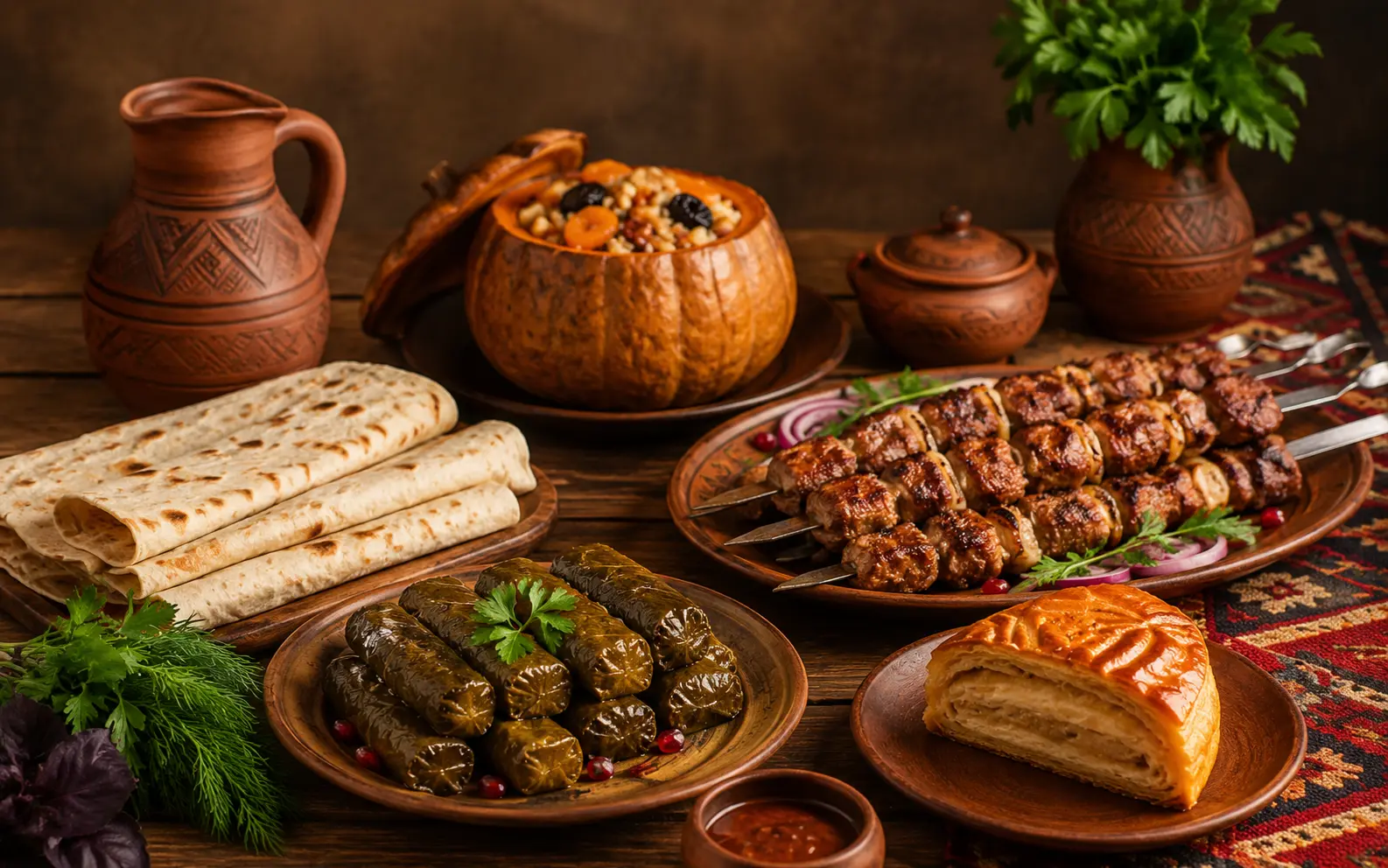
View WorksMeet Armenian dishes as part of history, family life, celebrations and diaspora tradition — from lavash and dolma to harissa and ghapama.
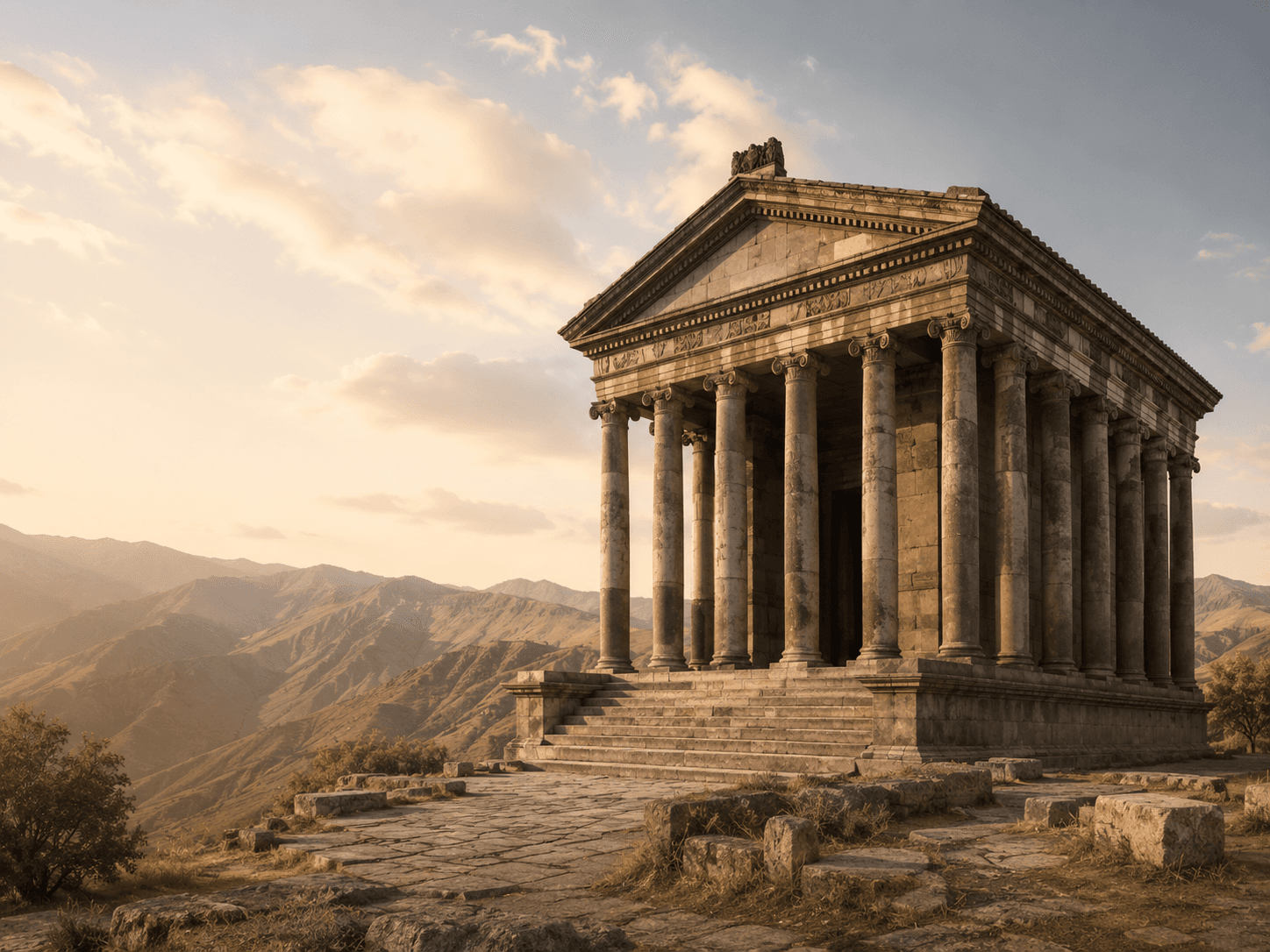
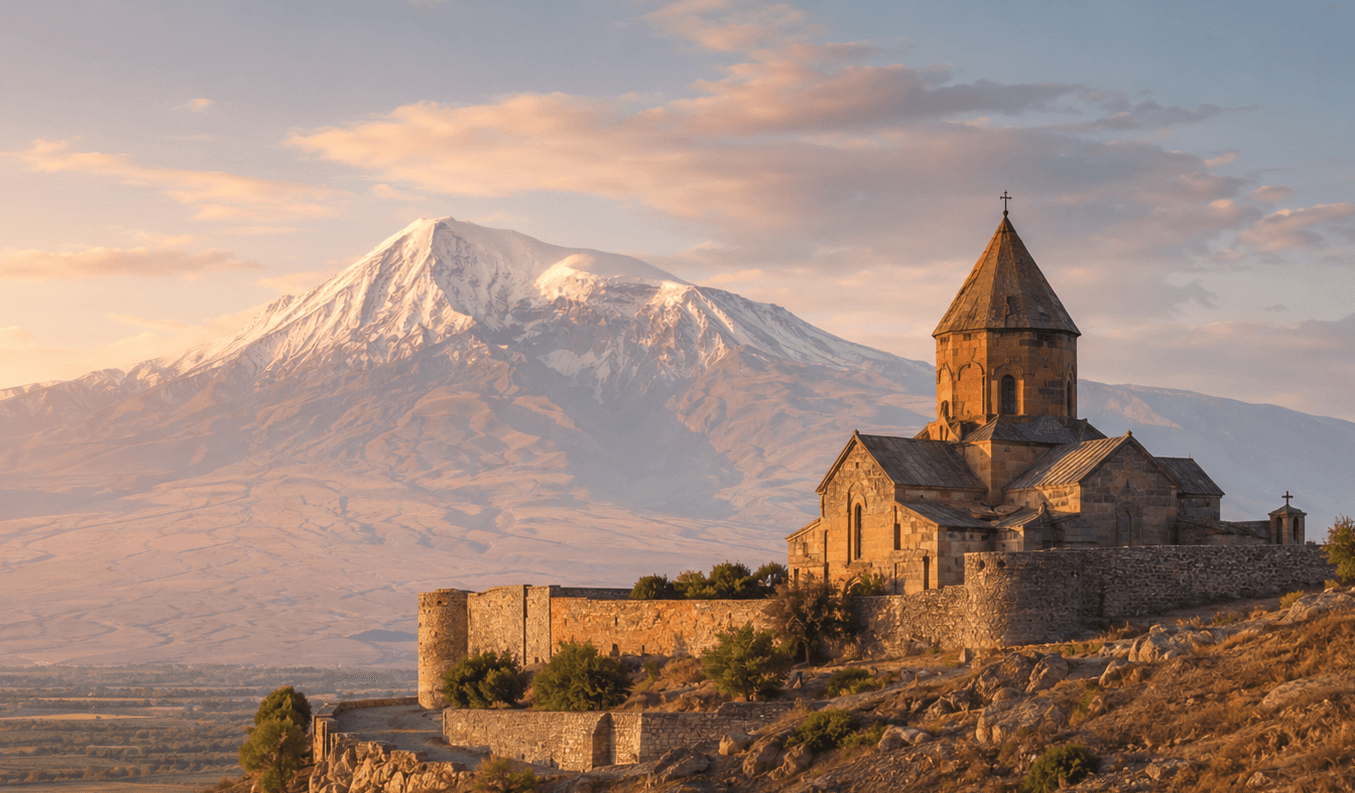
View CuisineMonasteries, fortresses, museums and landscapes in Armenia, explained as history rather than as an itinerary — beginning with Khor Virap below Mount Ararat.
View Places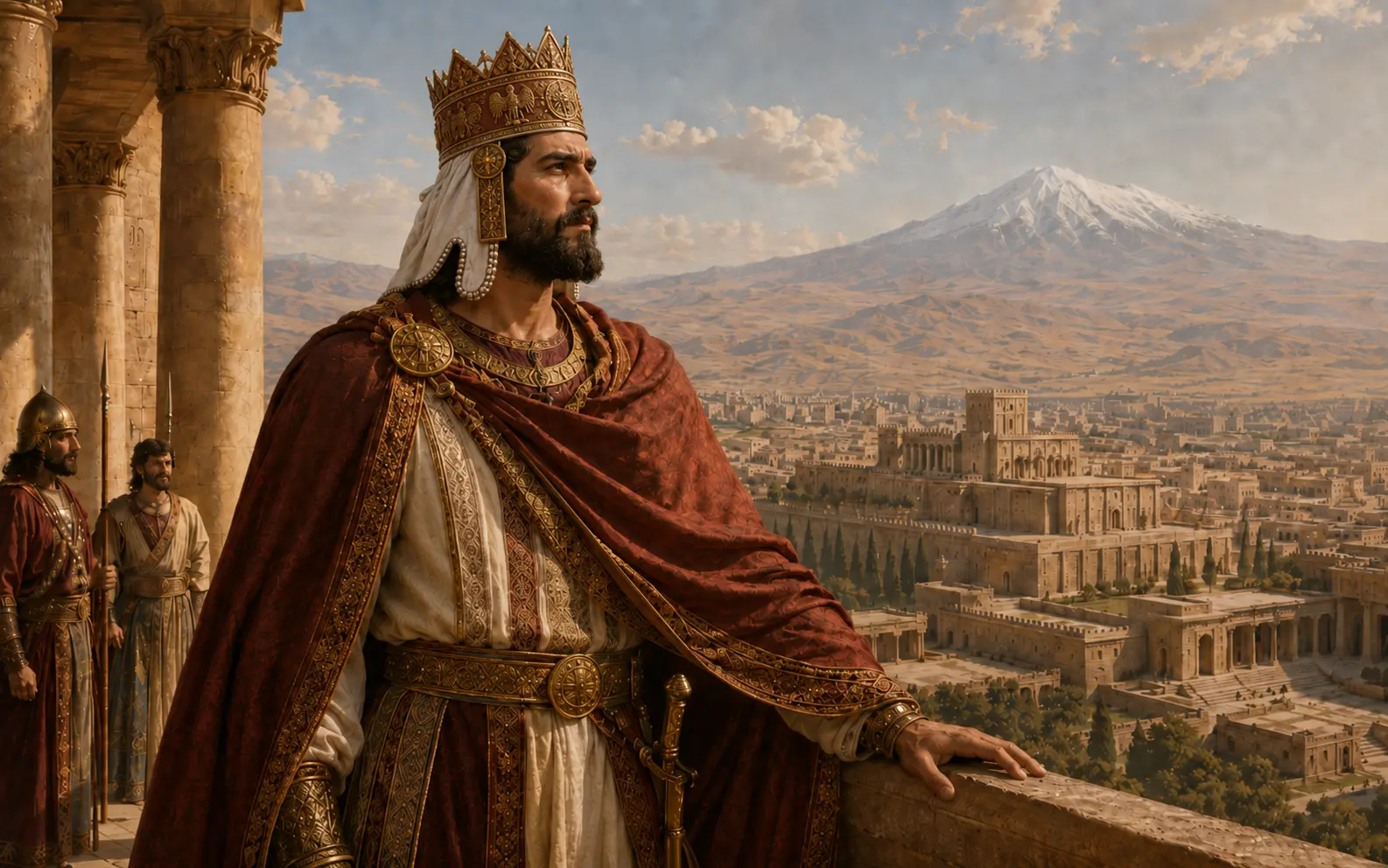
History
The Artaxiad king who expanded Armenia into the strongest state of the Near East, founded Tigranocerta, and met the Roman legions of Lucullus and Pompey.
10 min read
History
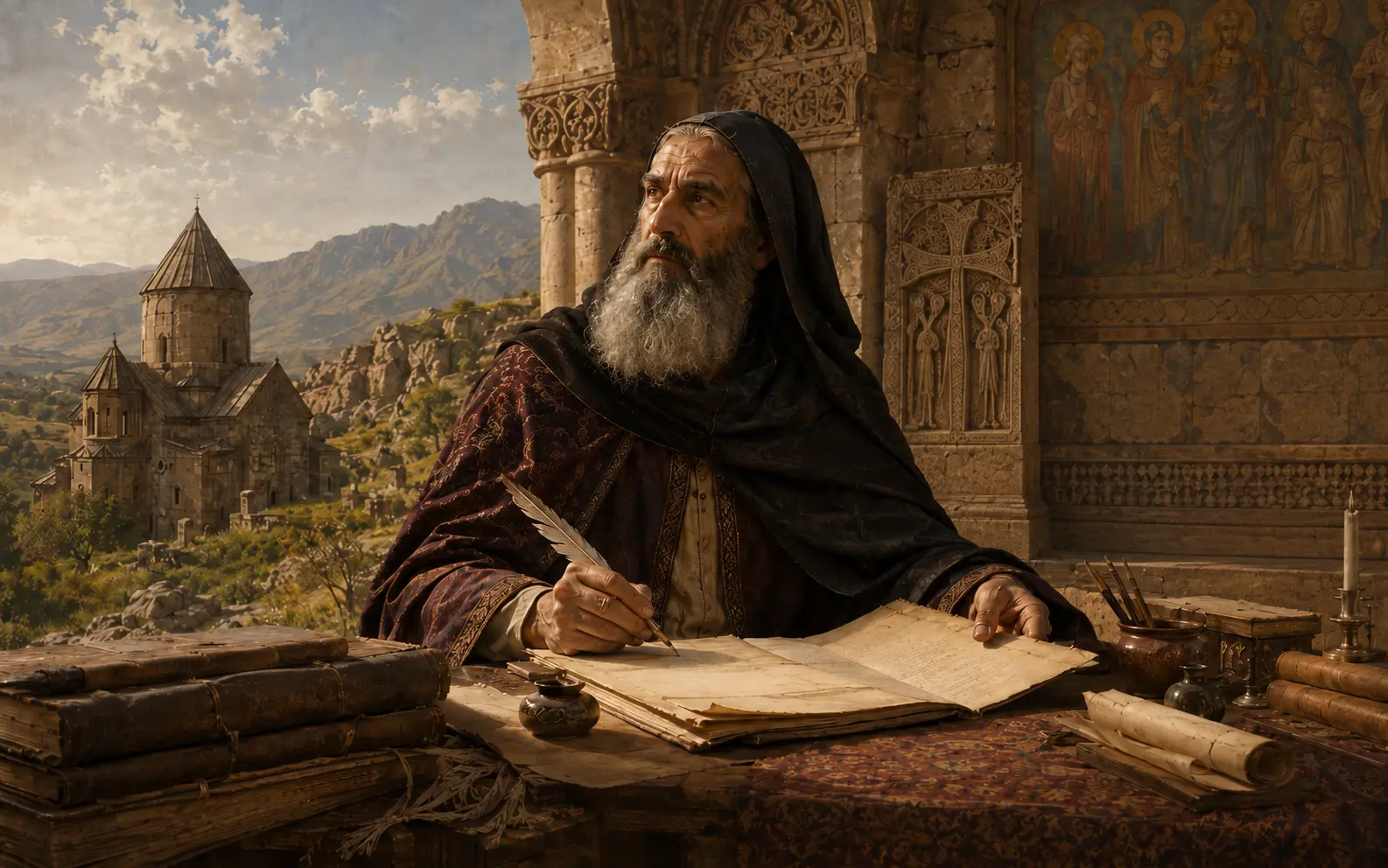
Around 405 the scholar and monk Mesrop Mashtots created an alphabet that gave Armenian its own written voice and reshaped the nation's culture.
9 min read
History
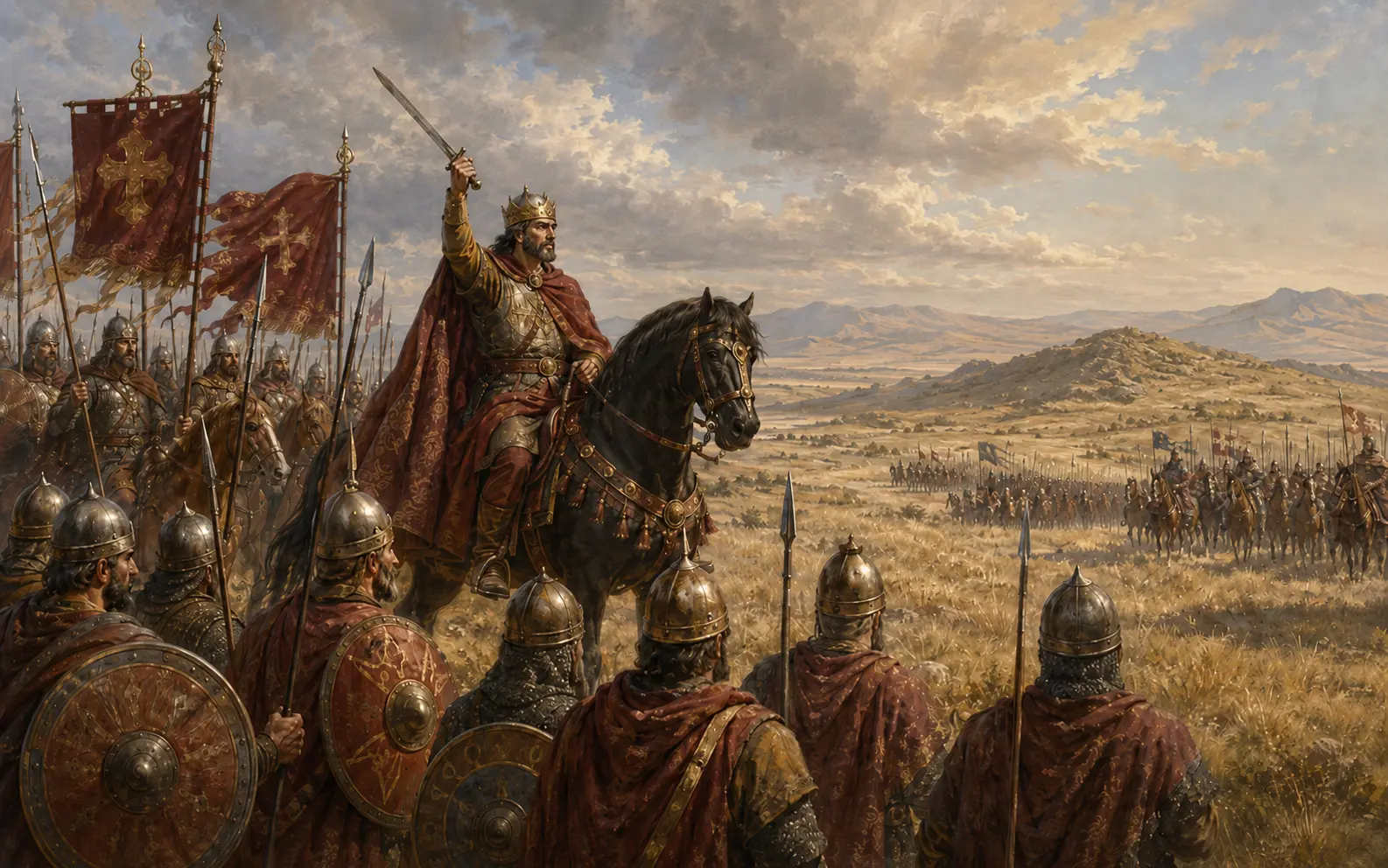
In 451 Armenian forces under Vardan Mamikonian faced a far larger Persian army to defend their faith, losing the battle but winning religious freedom.
8 min read
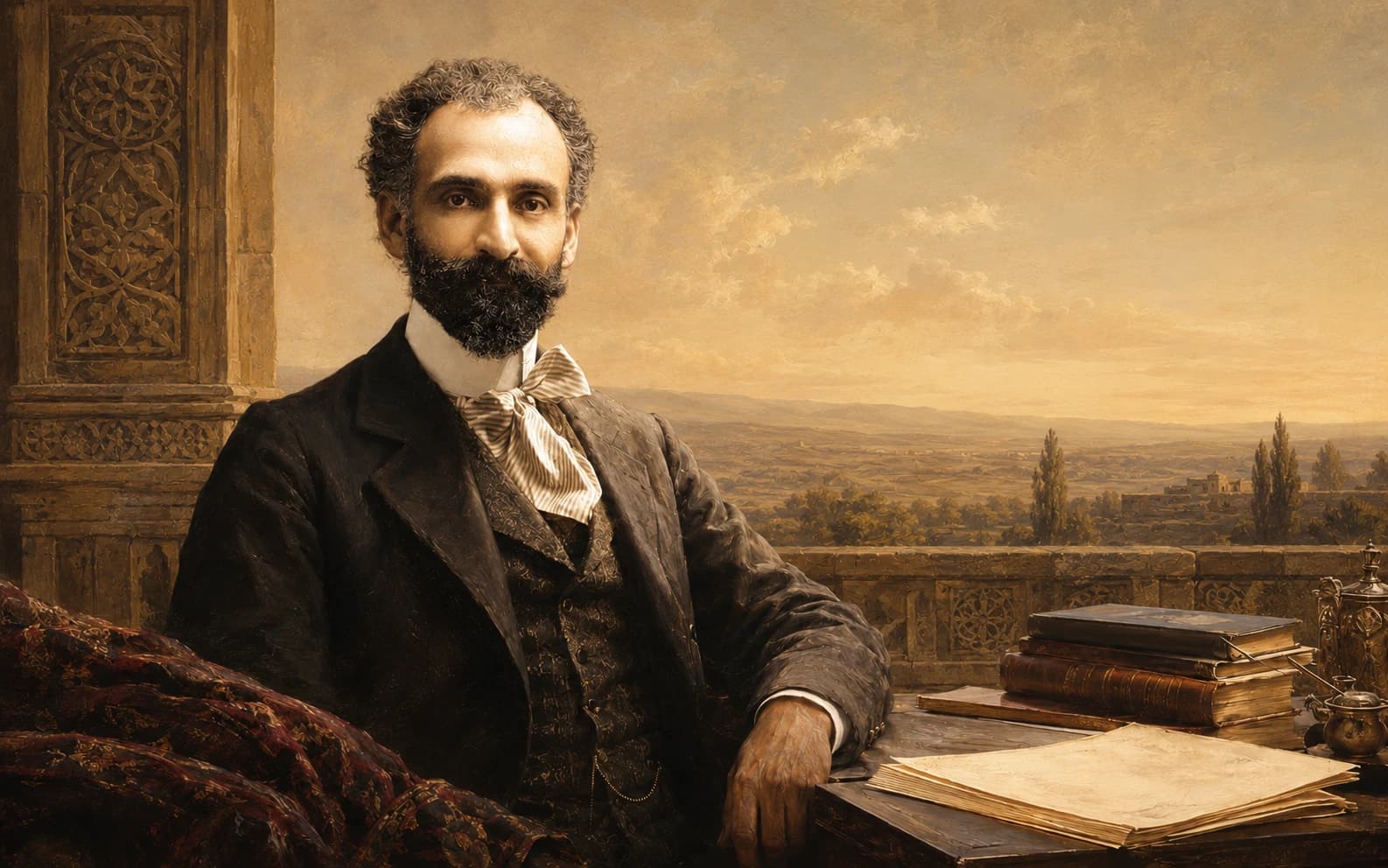
Writers
The village-born poet whose ballads, fairy tales and quiet moral authority earned him the title Poet of All Armenians.
8 min read
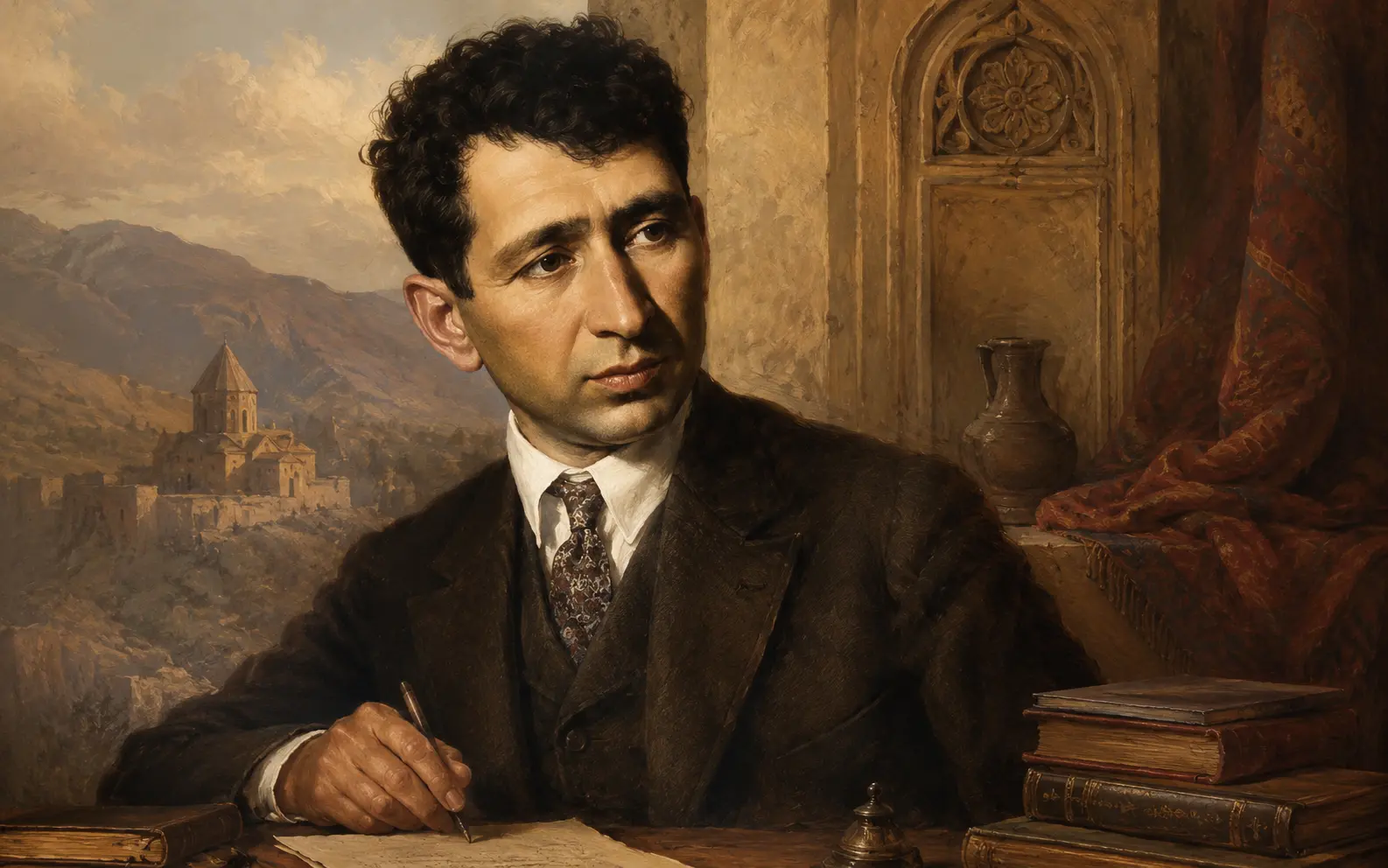
Writers
A restless modernist poet whose bold experiments and fierce love of Armenia made him the defining literary voice of his generation.
7 min read
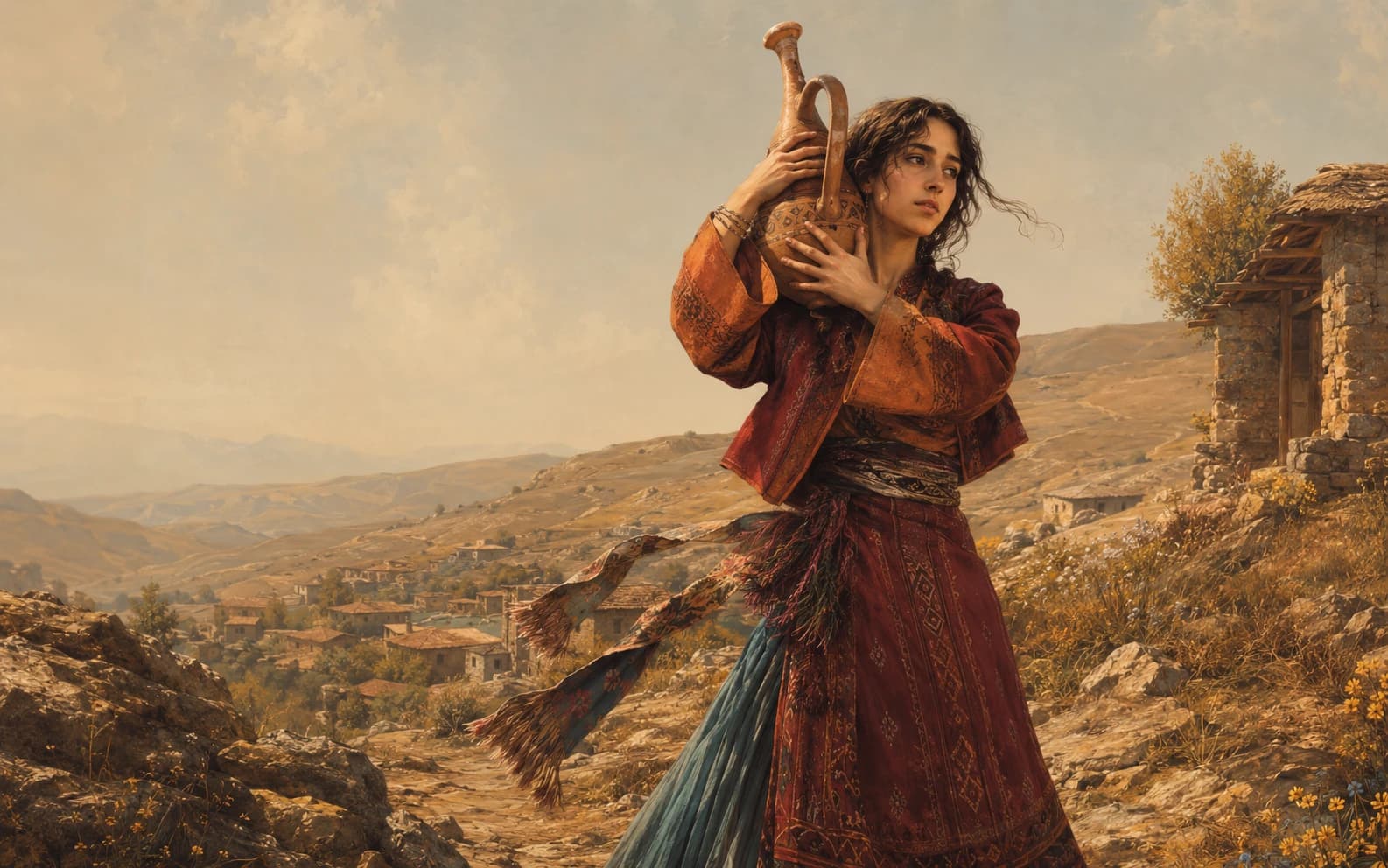
Works
Hovhannes Tumanyan's mountain love poem follows two young villagers destroyed by pride, custom and the harsh code of honour.
8 min read
1869–1923
Often called the poet of all Armenians, Tumanyan turned village life, folk tales and legends into poetry that is still read in every Armenian classroom.
Read the biography1897–1937
The defining voice of twentieth-century Armenian poetry, who combined modernist experiment with an intense attachment to his homeland.
Read the biography
1835–1888
The founder of the Armenian historical novel, whose books shaped how a whole generation understood its own past and future.
Read the biography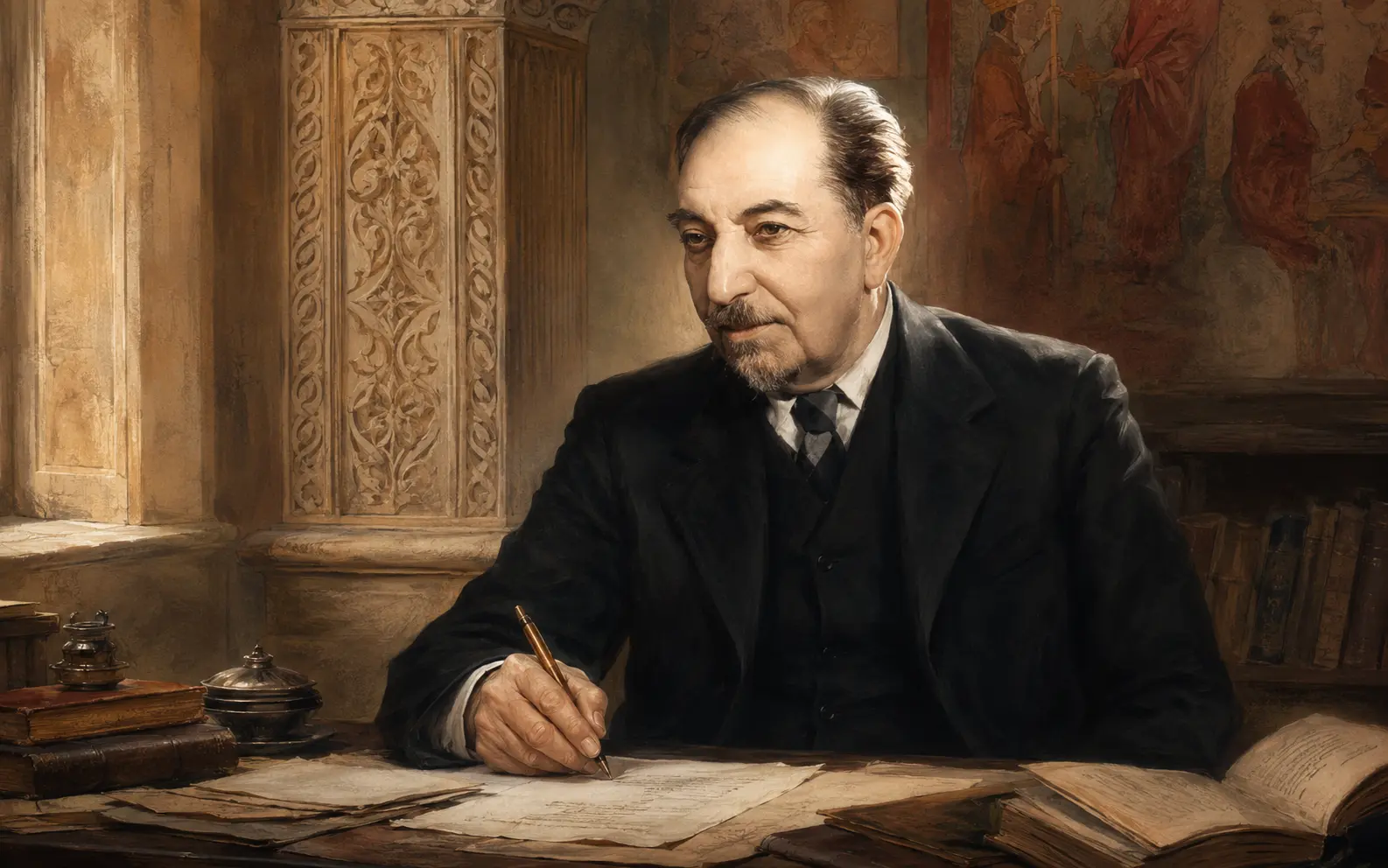
1875–1957
A lyric poet of exile and longing whose songs entered Armenian popular memory, admired abroad by writers including Alexander Blok.
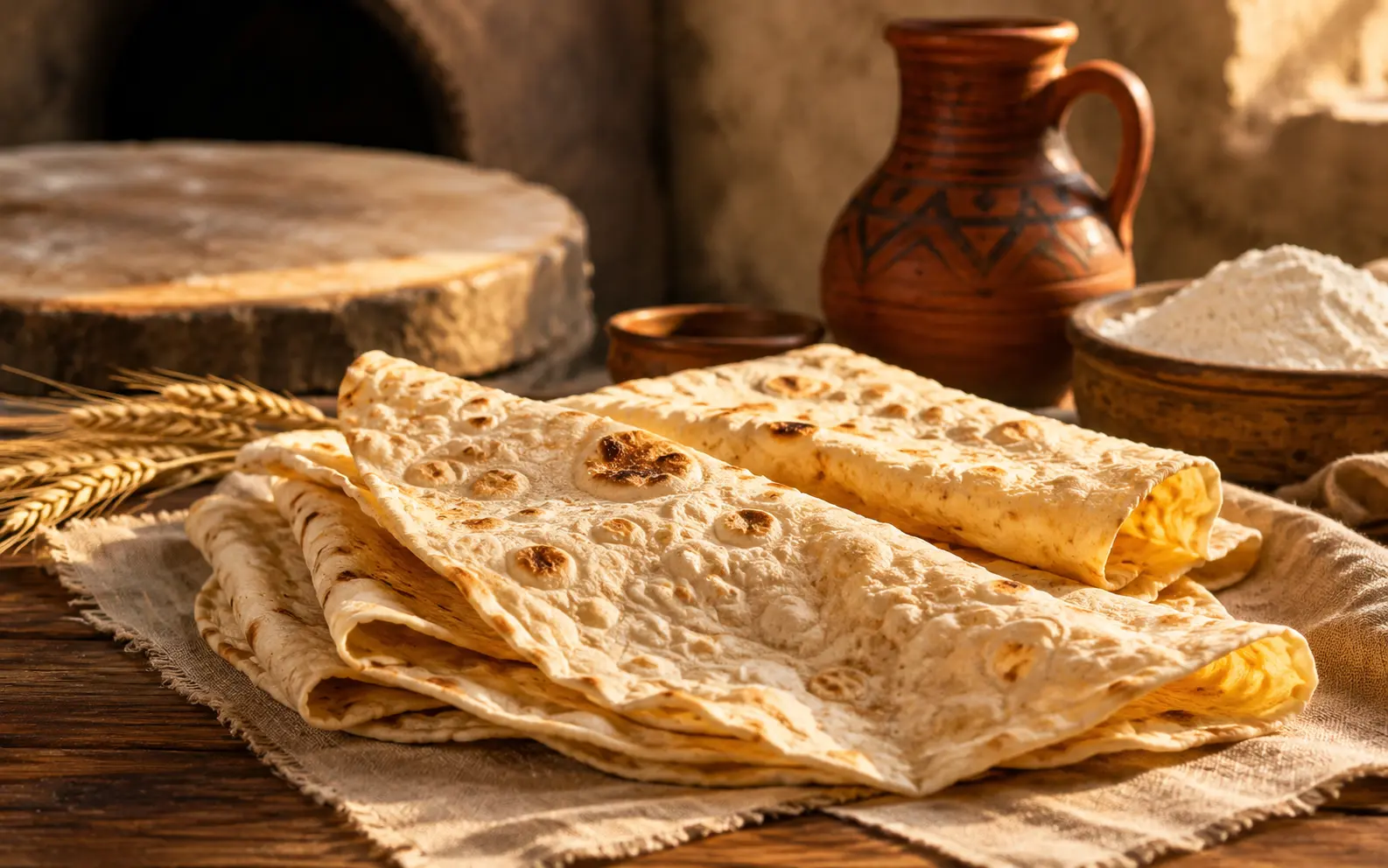
Read the biographyThe thin flatbread baked against the wall of a clay tonir, inscribed by UNESCO in 2014 for the way it is made, shared and used in Armenian life — and inscribed again in 2016 for five other countries.
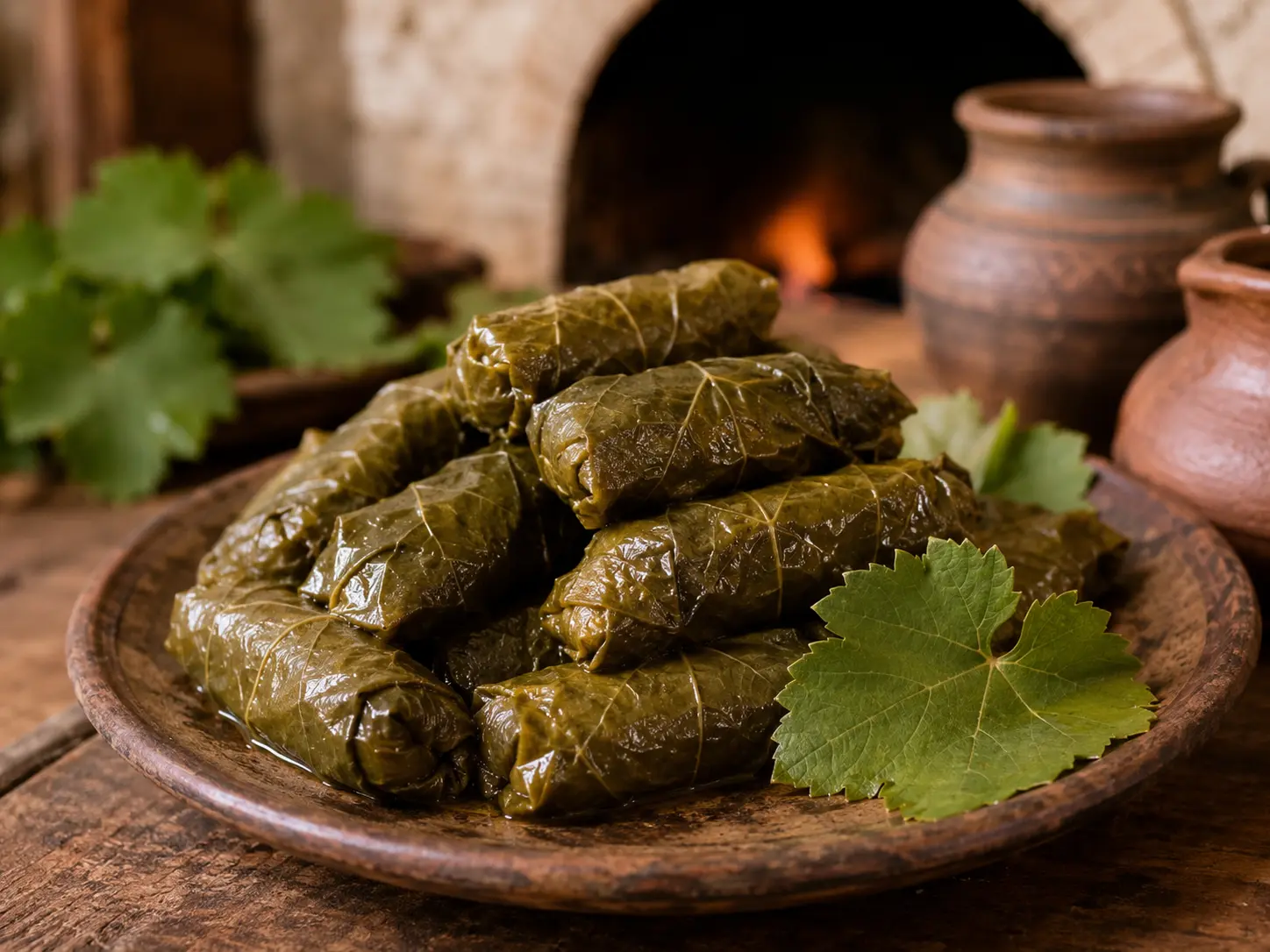
Vine leaves and hollowed vegetables filled with rice, herbs and often meat — a dish made across the whole region, and one of the clearest examples of why this section does not assign dishes to a single owner.
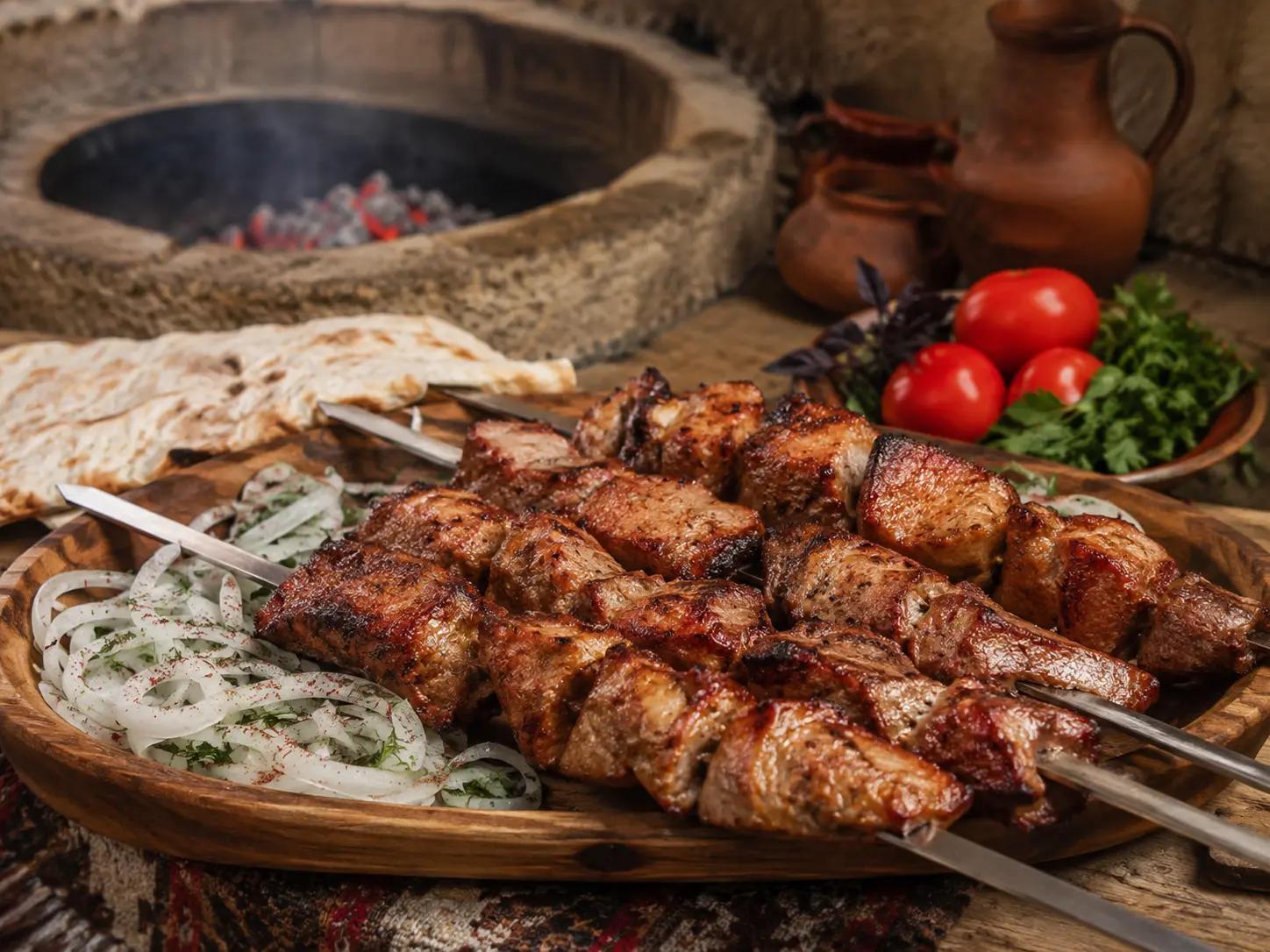
Meat grilled over open embers, and the social occasion built around it: who lights the fire, who tends it, and how it differs from the communal meal of a madagh.
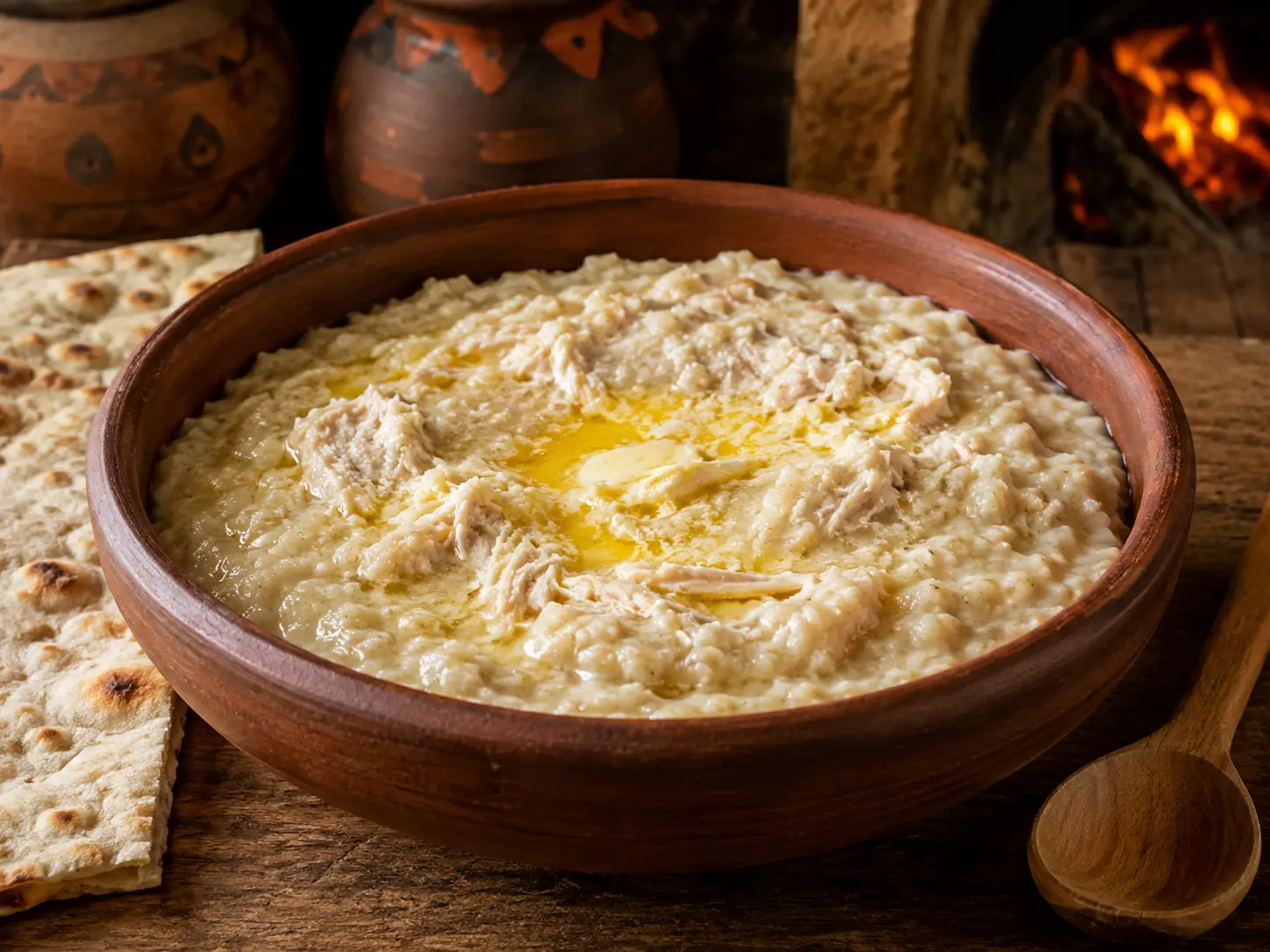
Wheat and meat stirred together for hours until they become one substance — a dish recorded in a tenth-century Baghdadi cookbook, and the food around which the Musa Dagh resistance is commemorated every September.
Explore Armenian history and literature through clear articles created for Armenian families, students, and teachers around the world.