
Mtnadzor
Mtnadzor is a book of eighteen short stories, published at Yerevan in 1927. With it, Armenian prose found the mountains of the country's own far south. Before Aksel Bakunts published any fiction he had been chief agronomist of Zangezur, and he had surveyed the land and crops of the villages he writes about as part of his job. The title is the first puzzle a reader meets. Մթնաձոր is the name of this collection, of the story that opens it, of a second story further inside, and of real gorges and rivers on the Armenian map. This article is about the collection: what is in it, how it was put together, what its landscape does in the stories, and how it reached English as The Dark Valley.
- Author
- Armat Editorial Team
- Updated
- Reading time
- 29 min read
In brief
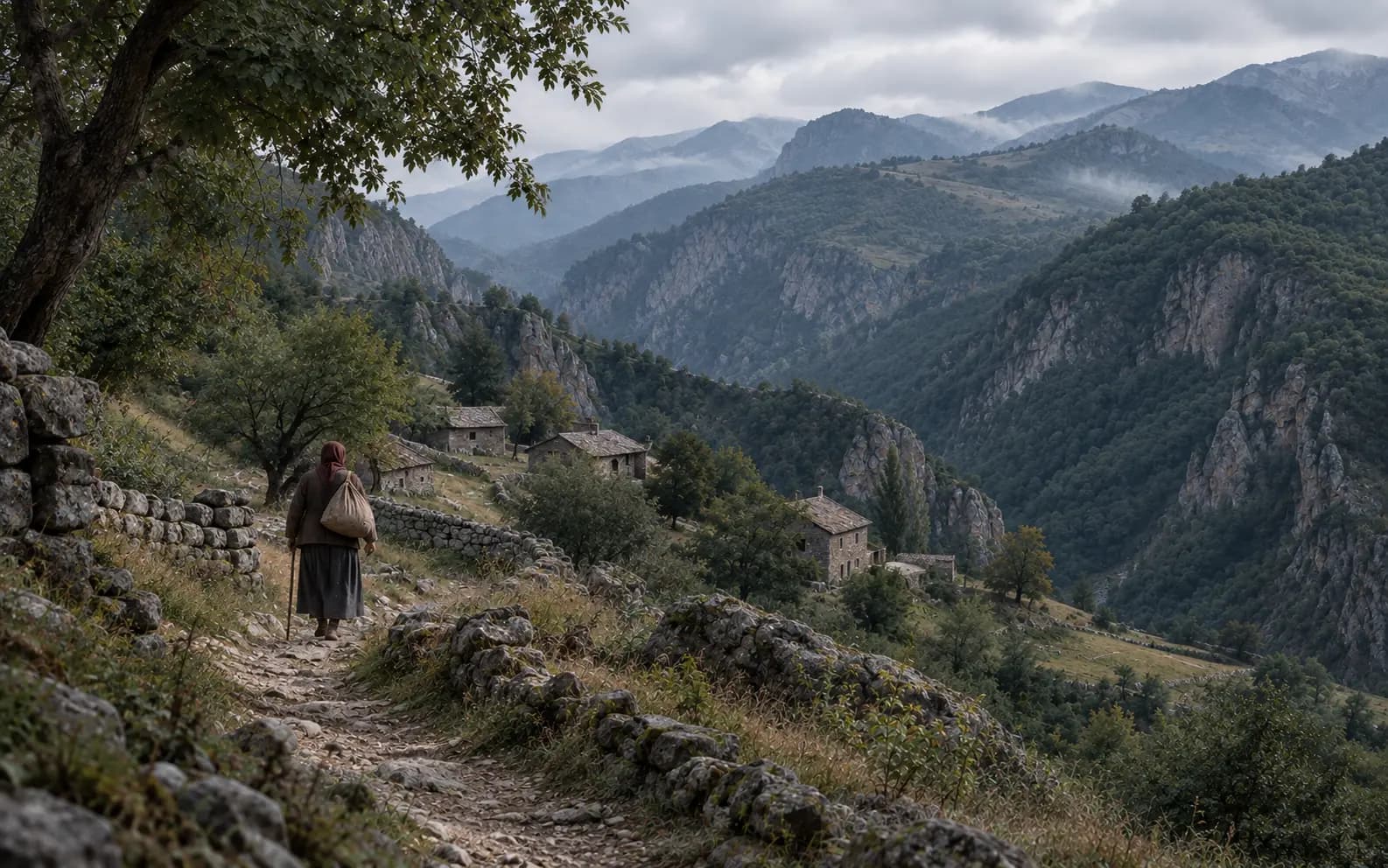
Mtnadzor is a collection of eighteen short stories by Aksel Bakunts, published at Yerevan in 1927. It was his first book of fiction, and it made his name as a prose writer. The word has other uses too. It is the title of the story that opens the book, first printed in a newspaper in 1926, and of a second, quite different story inside it, and it names several real places in Armenia. The stories are set in the mountain villages of Zangezur, where the landscape is more than scenery: it acts on the people who live there. The only complete English translation is called The Dark Valley.
Key facts
- Author
- Aksel Bakunts (1899–1937)
- Published
- Yerevan, 1927
- Form
- Eighteen short stories; his first book of fiction
- Title story
- Printed in the daily Խորհրդային Հայաստան on 21 November 1926, a year before the book
- Setting
- The villages, forests and gorges of Zangezur, in the far south of Armenia
- Best-known stories
- Մթնաձոր, Միրհավ, Խոնարհ աղջիկը, Ալպիական մանուշակ
- English translation
- The Dark Valley, translated by Nairi Hakhverdi, published in London
- Standard edition
- Ակսել Բակունց, Երկեր, volume 1, Yerevan, 1976, with Rafayel Ishkhanyan's textological notes
What Mtnadzor is
Mtnadzor is a collection of eighteen short stories by Aksel Bakunts, published at Yerevan in 1927. It was the first book of fiction he published, and it turned an agronomist who wrote into a writer. Suren Aghababyan, author of the standard study of Bakunts, opens his account of it by calling it one of those books whose appearance fixes a new date in the history of a literature.
The stories are short, most of them only a few pages. Almost all are set in Zangezur, the mountainous province in the far south of the country, now called Syunik. Their people are villagers: a hunter, an old man shutting up his vineyard for the winter, a bride inspected by her suitor's household, a headman, a forest guard with a whip. Very little in them is heroic, and even less is resolved.
The book is awkward to talk about because of its title. Մթնաձոր is the name of the collection, of the story that stands first in it, of a second, unrelated story further in, and of several real places on the Armenian map. This article has to separate them first, because almost every short account of Bakunts mixes up at least two of them.
One word, four things
The story came first. Մթնաձոր was printed in the Yerevan daily Խորհրդային Հայաստան on 21 November 1926, a year before the book existed. It is a hunting story: an old man called Avi goes into the forest after a bear, and a forest guard named Panin holds authority over the place. So when a source says that Մթնաձոր was published in 1927, that is true of the book but not of the story.
The second is Մթնաձորի «չարքը», the fourteenth piece in the collection. It is a different work with a different subject: an instructress rides into a village that has its own account of what walks in the gorge. Ishkhanyan searched the periodicals of the time for an earlier printing and found none, so this book is where it first appeared anywhere. It shares a word with the title story and nothing else.
The name also belongs to real geography, in more than one place. Armenian reference works list three watercourses called Մթնաձոր, in Lori, in Syunik and in Tavush, and a deserted village of that name in the south near Tsav. People lived there until the years of the First World War, when they moved to Shikahogh. None of these is the book. One of them is a trap for English readers: the Mtnadzor that English-language walking guides call the Dark Gorge is the one in Tavush, at the opposite end of the country from Bakunts's south.
Ishkhanyan himself ran into the consequences. While tracing where the title story came from, he had to correct an account that placed the real incident in a forest called Mtnadzor near Shikahogh, and he pointed out that the forest of that name is a long way from Shikahogh. The literary Mtnadzor and the ones on the map are different things, and this article keeps them apart.
How the book was put together
Bakunts's fiction had been appearing in the press since 1924. By 1926 he was twenty-seven and had recently finished two years as chief agronomist of Zangezur. Ishkhanyan describes the book as made up mostly of stories already printed in the press: only three of the eighteen, Այու սարի լանջին, Մթնաձորի «չարքը» and Լառ-Մարգար, appeared in it for the first time. Three went to the printer as cuttings from 1925 newspapers, two from Խորհրդային Հայաստան and one from the Tiflis paper Մարտակոչ. Among the printings closest to the book, all in Խորհրդային Հայաստան, were Միրհավ on 6 June 1926, Մթնաձոր on 21 November 1926, Ալպիական մանուշակ in the issues of 1 and 4 January 1927, and Խոնարհ աղջիկը on 1–2 February 1927.
The order of the stories was settled late, and we can see how. Ishkhanyan describes the printer's contents list with three titles moved in ink: Վանդունց Բադին dropped from first place to second, Զորբան went from second to eleventh, and Մթնաձոր was moved up from twelfth to open the book. As a knock-on effect, Օրանջիա slid one place to twelfth. So the collection is named after a story that was not originally meant to come first.
The publication details are less certain than they look. The book is usually cited as Yerevan, State Publishing House, 1927, 184 pages. This article could not check that against a library record, because the Armenian national catalogues did not respond, and Ishkhanyan's own notes cite the book simply as Մթնաձոր. [Ժողովածու]. Երևան, 1927, with no publisher or page count. Nor was it his first printed book of any kind: two agricultural pamphlets had appeared in 1926, and his satirical novella Հովնաթան Մարչ came out in the same year as this one.
The eighteen stories
Three sources agree on the contents: Ishkhanyan's reconstruction of the printer's list, Aghababyan's own list, and the Armenian Wikisource edition of the collection. The English titles below come from Nairi Hakhverdi's translation, in the form its contents page uses, often without a leading article. We could not confirm how it renders Զորբան, so that title stays in Armenian.
Later Armenian editions are shorter, but that tells us about the editions, not the book. The 1955 edition of Bakunts's works reissued the cycle without four of its stories, and later editions did the same. Ishkhanyan's 1976 volume restored all eighteen in their original order. A reader holding a modern Armenian Մթնաձոր may have only fourteen stories and not know it.
One loose end remains. Both the standard encyclopedia entry on Bakunts and Aghababyan's own discussion of this book name a story called Տիգրանուհին among its contents, yet it appears in none of the three lists. None of the sources consulted for this article shows whether it is another title for one of the eighteen or simply a slip.
- Մթնաձոր — The Dark Valley
- Վանդունց Բադին — Vands' Badi
- Աքարում — In Akar
- Այու սարի լանջին — On Mount Ayu's Slope
- Ծիրանի տափ — The Apricot Field
- Միրհավ — Pheasant
- Հանավանք — St John the Baptist Monastery
- Գյուլբահարի համար — For Gyulbahar
- Մինա բիբին — Aunt Mina
- «Խաղլացավ» — Dancing Pain
- Զորբան
- Օրանջիա — Orangia
- Մրոց — Mrots
- Մթնաձորի «չարքը» — The Demon of the Dark Valley
- Խոնարհ աղջիկը — The Modest Girl
- Լառ-Մարգար — Tall Margar
- Սաբու — Sabu
- Ալպիական մանուշակ — Alpine Violet
Bakunts and the short story
Bakunts came to fiction late, and by an unusual route. He had trained as an agriculturalist, and from 1924 to 1926 he was chief agronomist of Zangezur, the official responsible for the land and crops of the region where these stories are set. He was no visitor taking notes. He had already surveyed these same fields on paper.
He chose the short story and treated it as a form in its own right, not as a small novel. Armine Manasyan says his plots do not develop an action through stages. Instead, they pile up a character's boundary situations until they reach one final limit-collision. Aghababyan says the same thing from the other side: these stories have no special beginnings and no special endings.
He also stayed close to fact. Aghababyan argues that Bakunts followed the principle that the subject is the object. He borrowed rather than invented, taking real events, real faces, things he had watched and things he had been told. Sometimes he even added a note, like a medieval scribe's colophon, to record that an episode had really happened. The title story is the case we know most about, and it has its own section below.
Critics have argued over where his prose came from. Aghababyan traced his realist method to the prose of Hovhannes Tumanyan. Others have heard Terian in it instead, and a symbolist tone. One attempt to cut the Tumanyan link altogether rested on counting epithets: Tumanyan, it argued, reflects the world directly, while Bakunts gives a mediated, subjective image of it. Manasyan, who reports the debate, finds that counting mechanical and its conclusion exaggerated.
Zangezur as literary geography
Before this book, the Armenian south had almost no literature of its own. Zangezur is a land of steep gorges, oak forest and small stone villages, with long distances between them. When writers had described it at all, they treated it as scenery, not as a place with an inner life.
Manasyan suggests reading the book through what she calls literary geography, and sets Bakunts beside the diaspora writer Hamasteghd. Hamasteghd built a village-world; Bakunts built a point-world. In her reading, Mtnadzor is less a setting than the rim of Bakunts's world: a single dense point where everything begins, continues and returns.
Aghababyan draws the same idea from the stories themselves. He quotes the moment in Մրոց where the last ridge marks the edge of the world a person knows, and adds that time in this country runs on a different scale, one whose smallest unit is the century. In these stories, distance and isolation are more than atmosphere. They are what make the events possible.
Landscape as narrative structure
In Mtnadzor, landscape is not a backdrop for the action. Manasyan puts it most sharply: nature here is not described but brought into the story by the teller as a minimum unit of psychological movement. A ridge, a change in the weather or a bird does the work another writer would give to a sentence about what a character felt.
Aghababyan describes the book's world as one where reality and legend have not yet separated. Man and bear live side by side, and there is no real line between the village and the country around it: nature is inside the village, and the village lies in nature's lap. His proof comes from the book's own economics. Leave the fields at Akar unploughed for two years, and the forest takes them back.
Naira Hambardzumyan reads the same landscape as holding time rather than space. She starts from the book's own sentence, that Mtnadzor seems a forgotten corner from the days when there was not yet any man. The mythic time this opens up, she argues, moves slowly towards the present until the two occupy each other. That is why the forest in these stories can feel older than the people in it, without any claim of the supernatural.
The landscape also acts, and not kindly. Aghababyan notes that Օրանջիա opens and closes on flowering rose-hips. He reads that frame as the book's recurring idea that nature destroys, through its beauty, the people it enchants. The hunter Avi, beaten by his bear, is destroyed by the forest he had served and revered all his life.
Village life without the idyll
The most common misreading of this book takes it for a fond picture of village life, and it was misread that way in its own decade. Bakunts had already rejected that reading in his journalism before the book appeared. Aghababyan quotes him attacking the myth of the pastoral village head-on: the dark and ignorant peasant does not come by the dry bread he eats so easily, and there is no idyll at all of the kind the poet sings about.
The stories bear this out in detail. They are full of debt, interest and the arithmetic of survival. Aghababyan's example is a peasant who keeps his accounts in an old dream-book. He enters milk yields and mill queues, and then his own sister's burial as a cost, so absorbed in the details of his everyday tragedy, as Aghababyan puts it, that he has no time left to live through it. Elsewhere there is superstition, a headman who burns a man's house and has him deported, a bride examined by her suitor's family, a whip across a villager's shoulders.
Aghababyan's conclusion, which this article follows, is that however remote and forgotten Mtnadzor is, the same laws operate there as in what he calls the centres of enlightenment. Eddie Arnavoudian, reviewing the English translation, reaches the same point on his own. There is nothing idyllic about the Dark Valley, he writes: it is dark not through any romanticised isolation, but because it is impoverished and outside the mainstream of urban life. He reads Bakunts as placing human misery in socially constructed relations, not in inescapable flaws of human nature.
None of this makes the book a tract. Victoria Rowe, introducing the English edition, is careful on this point. The portraits are sympathetic as well as stark, and they are not propaganda pieces, something, she notes, that the Soviet authorities understood perfectly well. The beauty of the country and the hardness of living in it are both fully present. The tension between them is the book's subject, not a flaw in it.
Compression, sub-text and the withheld ending
The stories are short and tightly constructed. Manasyan calls the technique photographic: dense episodes, short white-hot tonalities, terse sentences. Her examples are the fight between the hunter and the bear, and the moment when the whole conflict between Avi and Panin rests on one contrast of colour: one man's face is like canvas, the other's like a red beetroot.
Memory is part of the structure, not a lyrical extra. Manasyan makes this point against Ishkhanyan, who had read Bakunts's recollection scenes as a way of making the past present. For her, Dilan's recollection in Միրհավ is not lyrical narration but the symphony of a life with its contrary deviations, and the teacher's in Խոնարհ աղջիկը continues a drama instead of telling of a love that never happened. Aghababyan draws the same distinction in technical terms: Միրհավ is built on musical retrospection, Խոնարհ աղջիկը on painterly retrospection.
Aghababyan also credits Bakunts with a formal innovation. Armenian prose before him, he says, had no way to run two planes of narration inside a single syntactic unit, and Bakunts made this a recognised part of the form. Խոնարհ աղջիկը, which has both a narrator and an author, is where he shows it. Aghababyan also names what carries the weight: the Bakuntsian sub-text is the continuation of the text. In Գյուլբահարի համար the story runs along with no deep current until a village court convicts not the accused but the villagers who had persecuted the priest. It ends on a man left standing as a question mark.
Endings are held back on purpose. Manasyan's example is the last sentence of the title story: afterwards, when Mtnadzor was spoken of, you could not tell whether the old hunter was angry or smiling. She does not read that double meaning as a way of dodging the ending. For her it asks the reader to recognise what kind of man he is.
The title story
Մթնաձոր is a hunting story of a few pages, a year older than the book. It was printed in Խորհրդային Հայաստան on 21 November 1926, in issue number 269; both the date and the number come from Ishkhanyan's source line. One caution goes with them. Elsewhere, the same notes mention a cutting of the story taken from issue 292 of the same year. None of the sources consulted explains the difference, so this article follows the formal source line and records the other number instead of hiding it.
A wrong date also circulates for the story: 1 and 2 February 1927. That date belongs to Խոնարհ աղջիկը, a different story in the same collection, as Ishkhanyan's notes plainly say.
In the story an old hunter, Avi, goes into the forest after a bear and is mauled, while a forest guard named Panin stands over the place with the authority of the state behind him. Hambardzumyan notes how little either man is allowed to be human on the page. Avi is described as perhaps not a man at all but a scarecrow, a skeleton in a man's clothes. Panin is a monster in a forester's coat, whose nationality, faith and origin nobody knew. Manasyan sees the pair as the story's entire conflict, packed into a single meeting.
What the title story was made from
In 1961 Ishkhanyan went looking for the man behind the story, and found him. Asking at Shikahogh, he learned that the man with the flayed head had been Gabriel Martirosi Harutyunyan, who died in 1944. He wrote to Gabriel's son Artem, and other villagers later confirmed the account.
The mauling happened on 18 February 1911, a day of heavy snow. A wounded bear had gone into the forest called Կհոլ, and Gabriel followed it in with a companion, Ghazar. He survived, was treated at Baku, and lived the rest of his life without the skin of his head. He made sandals and prayer beads, and afterwards had two sons and a daughter.
What matters is what Bakunts did with all this. Ishkhanyan lists the changes: Gabriel became the hunter Avi; the companion was cut, so Avi goes into the forest alone; the forest guard Panin was invented outright; and the setting moved from Կհոլ to Mtnadzor. Ishkhanyan used the same findings to correct a rival account, a memoir by the Kapan district secretary Artashes Tsaturyan, which placed the incident in the Mtnadzor forest near Shikahogh and dated it to 1912. The forest called Mtnadzor is a long way from Shikahogh, Ishkhanyan pointed out, and the year was 1911.
None of this turns the story into reportage, and it should not be read that way. It is a documented example of the working method Aghababyan describes in general terms. And the most important thing about it is what Bakunts added: a forest guard who appears in no witness's account at all, and who carries the story's real conflict.
Միրհավ
Միրհավ is the sixth story in the book and, after the title story, the best known. It appeared in Խորհրդային Հայաստան on 6 June 1926, in issue number 132, some five months before the story Մթնաձոր.
Old Dilan climbs to his vineyard on one of the last warm days of autumn to shut it up for the winter. Sitting in the sun, he relives the one blazing episode of his life: Sona, a young bride, coming into the press-house while he trod the grapes. Sona was married into a wealthier household and died the following summer. Two images carry the story, set down almost without comment: a wounded pheasant beating its bloodied wings in the bushes, and a whip coming down across Dilan's shoulders. Bakunts joins them himself: Sona flew off like a mirhav and left grief behind her.
The bird's name needs a careful explanation, because claims about it are often overstated. The compound is read as մայրի and հաւ, forest and fowl, so a forest or wild fowl. Karo Davtyan published that reading in a 1966 study of the Karabakh dialects. Hrach Martirosyan sets out the argument at length, with the supporting evidence and the case against a rival derivation, but credits the etymology itself to Davtyan, not to himself. In Martirosyan's etymological dictionary the word has no entry of its own. It appears in the dialect material under մայրի, which he treats as a general word for woods rather than for any particular tree, and there the bird is glossed with deliberate caution: probably a kind of pheasant, or else a black grouse. That caution is worth keeping. Stepan Lisitsyan's ethnography of Zangezur itself glosses the word as black grouse, the transparent form of the same compound is the standard Armenian name for that bird, and the word does not appear in Acharyan's dictionaries at all.
Ishkhanyan's own note adds a detail that matters for reading Bakunts: the bird is a kind of pheasant common in Zangezur, and in Karabakh and Zangezur speech it is pronounced մրհավ. Միրհավ, the form Bakunts printed, is the rarer variant. Hakhverdi's translation titles the story Pheasant.
One point about Միրհավ concerns this book in particular, not the story as it is usually read. Most readers meet the version Bakunts rewrote for 1933. In the 1927 text the man who whips Dilan is a yasaul, a Tsarist officer, and Dilan cannot answer him because the yasaul speaks Russian. By 1933 he has become a forest guard, annoyed that Dilan startled his pheasant. Ishkhanyan's comparison of the texts records the change, along with a general softening of the earlier prose. The book this article is about contains the first version.
Ալպիական մանուշակ
Ալպիական մանուշակ closes the collection. Խորհրդային Հայաստան printed it in two issues, on 1 and 4 January 1927. The paper's second number appeared on the fourth, and Ishkhanyan's note says so explicitly to head off the obvious confusion. The book followed later the same year.
When the story was written is disputed, and this article sets out the disagreement without settling it. When Bakunts reprinted the story in 1933 he dated it 25 — 27, meaning written in 1925 and reworked in 1927. Ishkhanyan's edition doubts both years. The story grew out of a journey into the Meghri district, and both the geologist who made that journey with Bakunts and Morus Hasratyan place it in 1926. To the editors, the reworking looks more like 1930 or 1931 than 1927. They leave open the possibility of an earlier, different draft from 1925, without claiming one existed.
The dedication is the detail most often got wrong. Ալպիական մանուշակ carries a dedication to the memory of Arpenik Charents, and it is often described as if that had always been part of the story. It had not. The 1976 edition prints the 1927 text beside the 1933 one, and the earlier text simply has no dedication: it was added six years after this book. The dates behind it are striking in themselves. Arpenik, the wife of Yeghishe Charents, died on 2 January 1927, between the two instalments, and the second ran on 4 January in the issue that also carried notice of her death. But the editors offer this as a probable reason for the later dedication, not a documented one, and this article goes no further than they do.
The story itself explains why the book ends where it does. An archaeologist and a painter ride up to the fortress of Kaqavaberd. The archaeologist hunts for a prince's tomb and sees only the beauty of the past; the painter sketches ramparts and violets and sees only the agreeable edge of the present. They stop at a nomad's tent, the painter draws the woman who makes their tea, and they ride away pleased with the day. Then the story carries on without them, and what follows falls on the woman. Petrosyan, Bayramyan and Gnuni read the pair as men looking at the world through the eyes of a beetle: they arrive, see what is pleasant, and leave, while the substance of life escapes them. They also note that the story has no clear plot at all and works entirely through sub-text. The beetle is Bakunts's own image, and it returns in the closing lines, asleep and drunk on scent, still finding the world a fragrant garden. The editors of the collected works establish that Bakunts based the painter on himself.
Other stories in the book
The rest of the collection is not filler, and a few pieces show how wide its range is. Աքարում turns on a bride inspected by her suitor's household the way, as Arnavoudian puts it, they would examine a horse. Խոնարհ աղջիկը is the story Aghababyan uses to show the double narration, and one of the four Bakunts later rewrote. Լառ-Մարգար is a story of memory that refuses to console: the present eases the pain of the past but does not cancel it.
Մինա բիբին gives the book its bleakest image, which Hambardzumyan quotes: the village as a thousand-year book, each page of which is the martyrdom of some victim of ignorance. In Մթնաձորի «չարքը» the outside world arrives, in the person of an instructress riding into a village that has its own account of what lives in the gorge. Rowe sees the collection's repeated clash between urban and rural values as centring on women, and points to this story and Ալպիական մանուշակ as the two places where it is clearest.
The name Mtnadzor
Մթնաձոր combines մութ, dark, and ձոր, a gorge or a valley. Literally it means a dark gorge, and that literal sense matters because it is part of how the stories work: the book's own opening page calls the place a forgotten corner left over from before there were people.
But a literal translation is not a title, and this is where English goes wrong. The Dark Valley is the title of the published English translation of the collection, and it is the only settled English name for any part of this material. Dark Gorge is an accurate rendering of the words, but it is not a recorded title of Bakunts's book; in English it names an entirely different place, the Mtnadzor gorge in Tavush. The Dark Ravine appears nowhere at all, as a title or as anything else. Neither belongs in a citation.
For the story and for the places, English writing usually keeps the Armenian name, Mtnadzor, and this article does the same.
The Dark Valley: the book in English
The whole collection has been translated into English once. The Dark Valley, translated by Nairi Hakhverdi with a preface by Victoria Rowe, was published in London by Taderon Press for the Gomidas Institute. Rowe states in the preface that this is the first time all eighteen stories have been translated into English in full.
Its date is disputed, and this article does not choose between the two. The Gomidas Institute's own catalogue gives London, Taderon Press, 2009, 148 pages, and Rowe signs her preface in June 2009. But the book's copyright page says 2008, and so does the library cataloguing based on it. Both years appear in serious records, and none of the sources consulted shows which one marks the actual release.
The translation also creates a new ambiguity instead of curing the old one. Because the collection and its first story share a name, both are The Dark Valley in English, and the fourteenth story becomes The Demon of the Dark Valley. A reader who meets the phrase has three possible meanings and no clue which is intended. The contents page also uses forms without an article, Pheasant and Alpine Violet, while the surrounding prose uses The Pheasant and The Alpine Violet.
Arnavoudian, reviewing the translation, judged it a significant accomplishment but not a flawless one, and pointed to a loss with real consequences. In Միրհավ the Armenian makes clear that Sona married into a well-to-do neighbour's house. The English does not, and so the social reason for what happens to her disappears.
How the book was received
Readers loved the collection, but the critics of its day condemned it. Aghababyan states both sides plainly: it had enormous success with readers, while contemporary criticism judged it negatively, as an idealisation of Armenian patriarchal antiquity.
He quotes the charge in its own words in order to reject it: that Bakunts sounded the dirge of the dying old village, sanctified backward patriarchal custom, took the silence of uninhabited caves for the ideal form of existence, and anathematised civilisation. Later scholars came to call this set of claims the Legend about Bakunts. Aghababyan traces its source not to anything in the stories but to the literary model the period demanded.
Serious criticism appeared early too. Aghababyan names a study by Kh. Sargsyan, published in the journal Նորք in 1928, as the first subtle account of what was original in Bakunts, while noting that it also paid partial tribute to the thinking of its time. His overall verdict, that this is the book in which Armenian prose took on new artistic features, is Aghababyan's own, and is given here as his view, not as settled fact.
In English there is far less. Beyond Rowe's preface and Arnavoudian's review there is very little, and Hambardzumyan's study of the collection is one of the few pieces of scholarship on Bakunts published in English at all.
Where the collection sits in his work
Mtnadzor is where Bakunts's reputation as a writer begins. Three more collections followed in his lifetime: Սպիտակ ձին, then Սև ցելերի սերմնացանը in 1933 and Անձրևը in 1935. There was also the satirical novella Հովնաթան Մարչ, which came out in the same year as this book.
He kept coming back to four of these stories. Միրհավ, Խոնարհ աղջիկը and Ալպիական մանուշակ were thoroughly rewritten for the 1933 collection, and Սաբու for the 1935 one. So four of the eighteen exist in two versions by the author, and the texts most Armenian readers know are not the ones printed here. To read Mtnadzor as a book, you have to read the earlier versions, and Ishkhanyan's edition makes that possible.
The book also set the terms for everything that came after it. The landscape, the compression, the refusal of the idyll and the withheld ending are all there in 1927, and none of them is a beginner's rough draft of something he did better later. Mtnadzor showed that a short story could be built from a place, a few pages and a single encounter, and still carry the weight of a whole life.
Important dates
1926
Միրհավ appears in the Yerevan daily Խորհրդային Հայաստան on 6 June, and the story Մթնաձոր in the same paper on 21 November.
1927
Ալպիական մանուշակ runs on 1 and 4 January and Խոնարհ աղջիկը on 1–2 February; later in the year the collection itself is published at Yerevan.
1933
Սև ցելերի սերմնացանը carries thoroughly reworked versions of Միրհավ, Խոնարհ աղջիկը and Ալպիական մանուշակ, the last of them now dedicated to the memory of Arpenik Charents.
1935
Անձրևը, the last collection published in his lifetime, carries a reworked Սաբու.
1955
An edition of his works reissues the Mtnadzor cycle without four of its stories, and later editions follow it.
1976
Rafayel Ishkhanyan's textological notes to the first volume of the collected works restore the eighteen stories and their order.
2009
The complete collection appears in English as The Dark Valley, translated by Nairi Hakhverdi for Taderon Press in London.
Why Mtnadzor matters
Mtnadzor did something new in Armenian prose: it turned a region into a literary world. Before it, Zangezur had been scenery. After it, the gorges and forests of the south were a place with an inner life, and the way to write about them was Bakunts's way: short, exact and unsentimental, never letting the beauty of the country stand in for the difficulty of living in it.
It is also the book that made the short story a serious Armenian form for the century that followed. Eighteen pieces, most of them a few pages long, built from encounters rather than plots and ending without resolution, were enough to make a prose writer's reputation in a single volume. They were also enough that the arguments about them are still arguments about literature, not about local colour.
Interesting facts
- 01The order of the stories was settled late: the printer's contents list survives with three titles moved in ink, and Մթնաձոր was lifted to the front from twelfth place.
- 02Մթնաձորի «չարքը», the fourteenth story, is one of only three pieces printed for the first time in this book; most of the others had already appeared in the press.
- 03The dedication to the memory of Arpenik Charents is not in this book at all. It was attached to Ալպիական մանուշակ six years later.
- 04Arpenik Charents died on 2 January 1927, between the two instalments of Ալպիական մանուշակ; the second ran on 4 January in the issue that also carried notice of her death.
- 05The 1955 edition of Bakunts's works dropped four of the eighteen stories, which is why later Armenian editions of Mtnadzor are shorter than the first.
- 06The bird in the title of Միրհավ is normally pronounced մրհավ in the Zangezur and Karabakh speech Bakunts drew on; միրհավ, the form he printed, is the rarer variant.
Sources
- Ակսել Բակունց, բնագրերը և ծանոթագրությունները՝ Ռաֆայել Իշխանյանի. Երկեր, հատոր 1 — ՀՍՍՀ ԳԱ Մ. Աբեղյանի անվան գրականության ինստիտուտ, Հայաստան հրատարակչություն, Երևան, 1976 · Ակսել Բակունց, Երկեր, հ. 1, Երևան, 1976, ծանոթագրություններ, էջ 606–671The spine of the article, and the reason it can state a chronology at all. Ishkhanyan's apparatus supplies: the collection's eighteen titles and their order, reconstructed from the printer's contents list together with the three moves made in ink that produced the printed sequence; the first-publication lines for Մթնաձոր (ԽՀ 1926, 21 նոյ., № 269), Միրհավ (1926, 6 հուն., № 132), Ալպիական մանուշակ (1927, 1 և 4 հունվ., №№ 1–2) and Խոնարհ աղջիկը (1–2 փետր. 1927); the finding that Մթնաձորի «չարքը» has no traceable periodical publication at all and first appeared in the book; the Shikahogh enquiry of 1961 that identified the title story's real-world basis; and the collation of the 1927 and 1933 texts, which is what allows the article to say that the Ալպիական մանուշակ dedication is absent from the 1927 text and that the man who whips Dilan in Միրհավ changed between the two. The volume is digitised page by page and proofread on Հայերեն Վիքիդարան, which is how it was read. It is cited for chronology and textual state, never for evaluation. Where it dates the composition of Ալպիական մանուշակ against Bakunts's own printed 25 — 27, the article reports the disagreement rather than choosing.
- Սուրեն Աղաբաբյան. «Ակսել Բակունցի «Մթնաձոր» ժողովածուն», Պատմա-բանասիրական հանդես, էջ 3–16 — ՀՍՍՀ ԳԱ, Երևան, 1979 Visit sourceA study of this book by the scholar who wrote the standard monograph on Bakunts and signed his encyclopedia entry, and the source for three of the article's sections at once. Reception: that the collection succeeded with readers while the criticism of its own moment condemned it as an idealisation of Armenian patriarchal antiquity, an assessment Aghababyan sets out in order to refute, along with the cluster of attributions later scholarship came to call the Legend about Bakunts. Anti-pastoral: he quotes Bakunts's own pre-1927 journalism dispelling the myth of the pastoral village, and draws the conclusion this article leans on — that however inaccessible and forgotten, the same laws operate in Mtnadzor as in the centres of enlightenment. Landscape and form: that nature and the village are not separated in this world, that the sub-text is the continuation of the text, and that the stories have neither special beginnings nor special endings. His contents list is also the article's second independent witness to the eighteen titles and their order. Cited for his readings as his, not as settled fact.
- Aksel Bakunts, translated by Nairi Hakhverdi, preface by Victoria Rowe. The Dark Valley — Taderon Press for the Gomidas Institute, London, 2009 ISBN 9781903656907The only complete English Bakunts, and the authority for every English title this article prints for a story in the collection — Pheasant, Alpine Violet, The "Demon" of the Dark Valley and the rest, in the article-less forms the book's own contents page uses. Rowe's preface is the source for the statement that all eighteen stories are translated in their entirety, and for the reading of the collection as portraits of the peasantry that are never propaganda pieces. The year given here is the publisher's own: the Gomidas catalogue prints London, Taderon Press, 2009, 148 pp, and Rowe signs the preface June 2009, while the book's copyright page and the library cataloguing derived from it give 2008. The article states that conflict rather than resolving it, because no consulted record settles which is the release.
- Eddie Arnavoudian. Why we should read… The Dark Valley: Short Stories by Aksel Bakunts — The Critical Corner, Armenian News Network / Groong, 2010 Visit sourceThe substantial English critical notice of the collection, and the source the anti-pastoral section leans on hardest: that there is nothing idyllic about the Dark Valley, and that it is dark not through romanticised isolation but because it is impoverished and outside the mainstream of urban life. Also cited for the reading of human suffering as socially constructed rather than innate, for the loss of the well-to-do neighbour in the English Միրհավ, and for his rejection of Vahe Oshagan's claim that there is no good, evil or justice in this fiction. Cited as criticism, not as fact: where he says the husband in Ալպիական մանուշակ strikes with his sickle, the Armenian has him throw the sickle aside and strike with the staff, so the article does not repeat it.
- Naira Hambardzumyan. Interpenetration of Myth and Sign in Axel Bakunts' "Mtnadzor" Collection — Լրաբեր հասարակական գիտությունների, ՀՀ ԳԱԱ, Երևան, 2020 · arar.sci.am, Հայկական հանրապետական թվային գրադարան, publication 263016Scholarship on this collection specifically rather than on Bakunts generally, and the basis for the landscape section's central claim: that the Mtnadzor stories hold a pre-human time inside the present, the forgotten corner from the days when there was no man yet. It is also one of the very few pieces of Bakunts scholarship published in English, which is itself evidence for what the article says about the state of the English-language record.
- Արմինե Մանասյան. Ակսել Բակունցը և 1920-30-ական թվականների պատմվածքը — Գրականագիտական հանդես XVI, ՀՀ ԳԱԱ Մ. Աբեղյանի անվան գրականության ինստիտուտ, Երևան, 2015 · arar.sci.am, Հայկական հանրապետական թվային գրադարան, publication 197097The source for the form section, and the reason it makes technical rather than admiring claims: composition by accumulation toward a limiting situation, retrospection used as a construction principle rather than as lyricism, portraiture as the compositional centre, and the withheld ending of Մթնաձոր. The formulation the section rests on most heavily is hers — that nature in Bakunts is not described but introduced by the teller as a minimum unit of psychological movement.
- Ա. Պետրոսյան, Կ. Բայրամյան և Ա. Գնունի. Հնագետը Ակսել Բակունցի «Ալպիական մանուշակ»-ում — Պատմա-բանասիրական հանդես, ՀՀ ԳԱԱ, Երևան, 2025 Visit sourceThe basis for the Ալպիական մանուշակ section: the reading of the archaeologist and the painter as men looking at the world through the eyes of a beetle — arriving, seeing the beauty of past or present, and leaving while the substance of life escapes them — the observation that the story has no clear plot and works by subtext, and the archival identification of the archaeologist's model as Morus Hasratyan.
- Hrach Martirosyan. Etymological Dictionary of the Armenian Inherited Lexicon — Brill, Leiden — Leiden Indo-European Etymological Dictionary Series 8, 2010 ISBN 9789004173378Cited for one sentence and nothing more. The word միրհավ has no entry of its own; it appears in the dialectal material under the headword mayri, where the compound is read as forest-fowl and glossed probably as a kind of pheasant, or as heath-cock or black-cock. Both halves of that matter here: մայրի is treated as a general word for woods or forest — Martirosyan expressly rejects rendering it a forest of fir trees — and the identification of the bird is hedged rather than settled, which is why the article reports the disagreement instead of asserting the pheasant.
- Հրաչ Մարտիրոսյան. «Միրհավ» բառի ծագումը — Գրանիշ, 2014 Visit sourceWhere the same scholar sets the argument out at length, and the reason the article credits the etymology to Կարո Դավթյան rather than to Martirosyan: he states that the analysis was already published in Davtyan's 1966 dialect study of Mountainous Karabakh, and presents his own contribution as the supporting evidence — the parallels in which a forest X means a wild X, the sound change that gives միր- from մայրի in the Karabakh and Goris speech, and the case against the rival reading of the name as Mihr's bird. Cited so that the lexical paragraph attributes each part of the argument to whoever actually made it.
Related articles
Aksel Bakunts
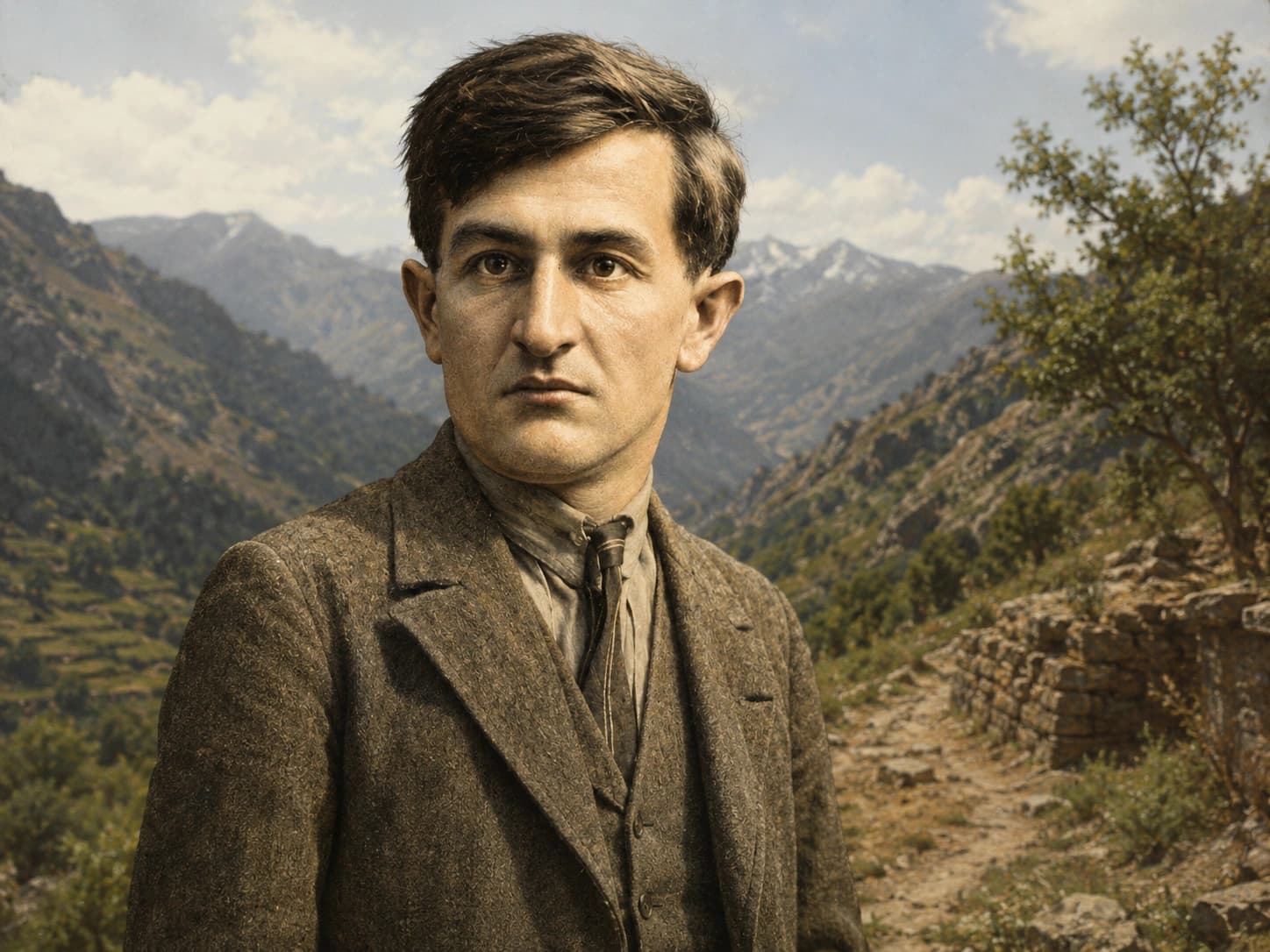
The prose writer and agronomist from Zangezur whose short stories turned the mountains, gorges and villages of southern Armenia into literature.
Yeghishe Charents
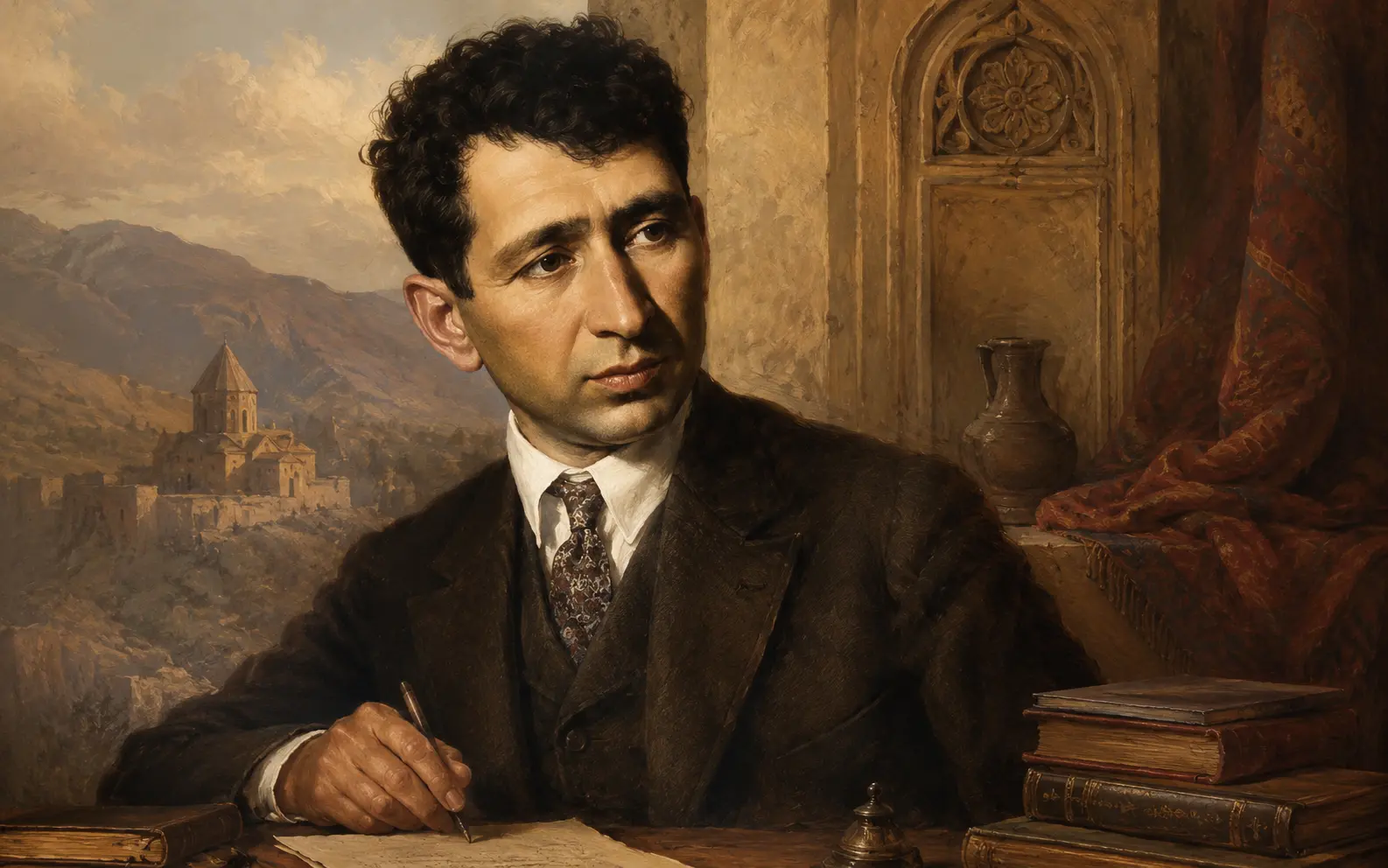
A restless modernist poet whose bold experiments and fierce love of Armenia made him the defining literary voice of his generation.
Hovhannes Tumanyan
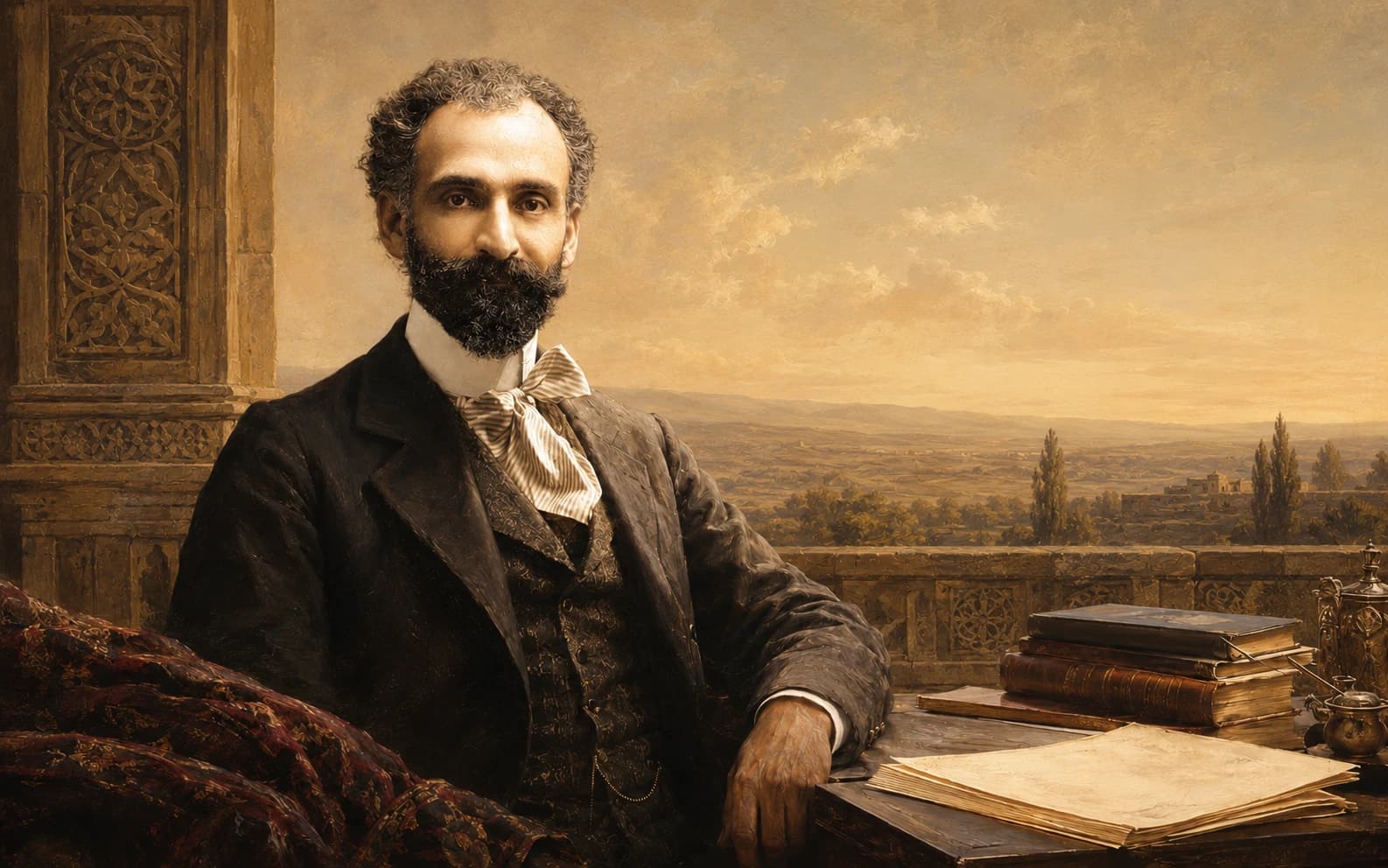
The village-born poet whose ballads, fairy tales and quiet moral authority earned him the title Poet of All Armenians.