
Siamanto
Siamanto is the poet most often quoted on the Armenian Genocide and least often read for anything else. He turned the Adana massacre of 1909 into a sequence of letter-poems while it was still news. Six years later he was one of the writers arrested in Constantinople on the night from which the genocide is dated. What lies between those two events usually gets skipped: fifteen years of work that changed the shape of the Armenian poetic line, and a body of verse that Armenian critics credit with giving the language its free verse.
- Author
- Armat Editorial Team
- Updated
- Reading time
- 24 min read
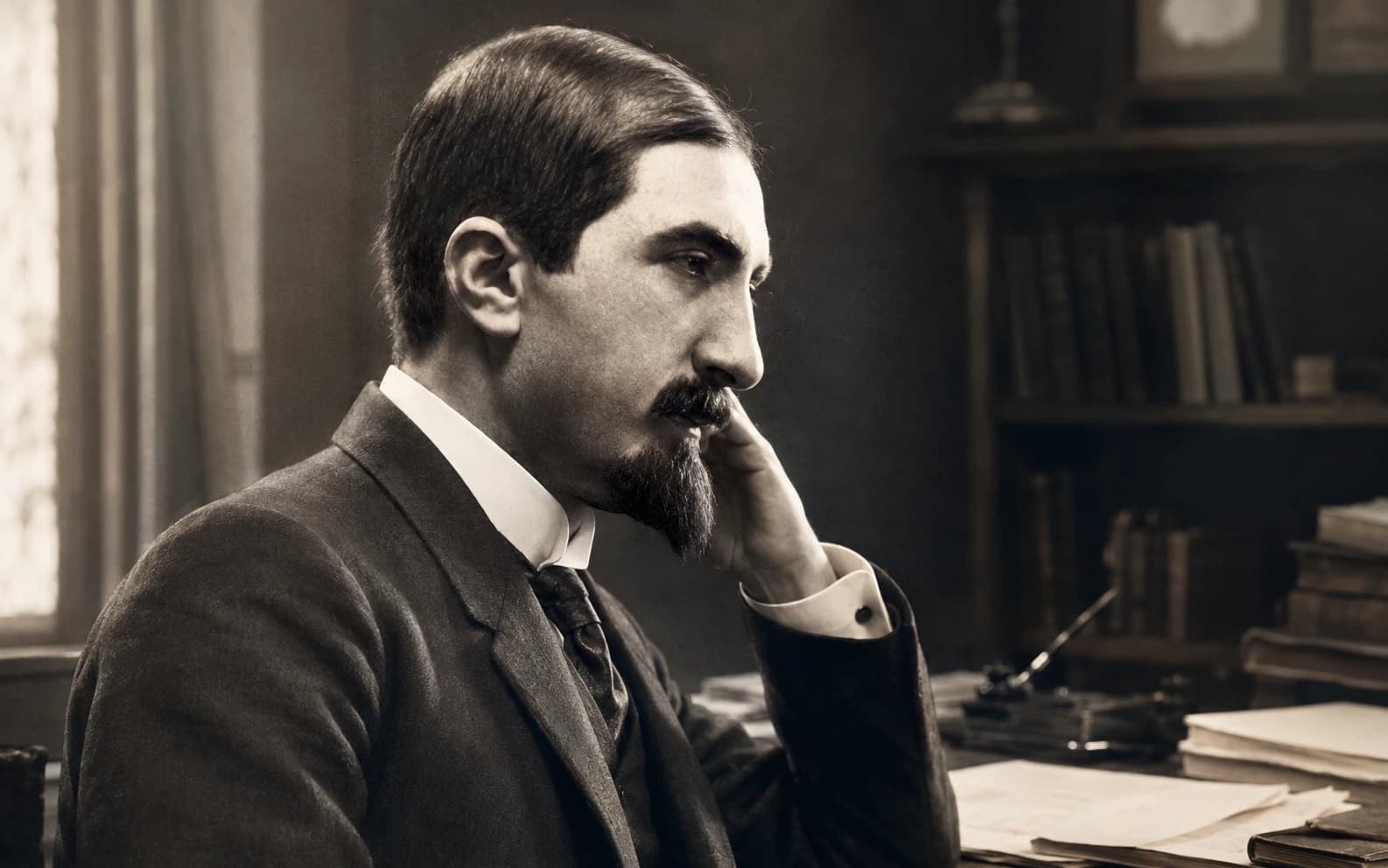
In brief
Siamanto was the pen name of Atom Yarjanian, a Western Armenian poet born in Akn on the Euphrates. He was educated there and in Constantinople until the massacres of the eighteen-nineties drove him abroad. He attended literature lectures at the Sorbonne without taking a degree, wrote for the party press in Geneva, and published his collections between 1902 and 1913, among them the Adana sequence Կարմիր լուրեր բարեկամէս. Armenian scholars credit him with giving Armenian free verse its shape. He was arrested in Constantinople on 24 April 1915, held at Ayaş, and killed near Ankara that August.
Key facts
- Lived
- 15 August 1878 to August 1915
- Born
- Akn (Eğin, now Kemaliye), kaza of Akn, vilayet of Mamuret-ül-Aziz
- Wrote in
- Western Armenian
- Educated at
- Nersisyan school, Akn; Mirijanian school, Kumkapı; Berberian school, Scutari; free listener at the Sorbonne
- Best known for
- Կարմիր լուրեր բարեկամէս, Bloody News from My Friend, 1909
- Also written
- Siamanto, Սիամանթօ, Սիամանթո; born Atom Yarjanian
Who Siamanto was
Siamanto was a Western Armenian poet of the Ottoman Armenian world. He was born in the town of Akn on the Euphrates and killed in the Armenian Genocide at the age of thirty-six or thirty-seven. He published verse from 1898 onward and brought out collections in Geneva, Paris, Constantinople and Boston. He edited a newspaper in the United States for about a year, and in the last years before the war he travelled through the Russian Caucasus.
His life is also one of the hardest to pin down. The reference books contradict one another on his birth date, his schooling, the year he crossed the Atlantic, and even the many forms of the name he has been filed under over the past century. This article says where the sources disagree instead of choosing the version that reads most smoothly.
The outline of his career, though, is not in doubt. He began as a poet of exhortation, writing for a revolutionary party's newspaper. He then went through a long middle period of exhaustion and doubt. In 1909 he wrote the book that made his name, about a massacre he did not witness, from letters sent by someone who did.
The name and its forms
He was born Atom Yarjanian. The surname appears in Latin script as Yarjanian, Yarchanyan, Yardjanian and Jarjanian, and the first name as Atom or Adom, because Armenian consonants have no single agreed romanisation. These are one name passing through several systems, not a dispute about who he was. In Armenian the two spelling systems part company as well: Ատոմ Յարճանյան in the reformed Eastern spelling used in Armenia today, and Ատոմ Եարճանեան in the classical spelling he himself wrote in.
The pen name splits the same way, and here it matters more, because it is the name on the books. Սիամանթօ is the classical and Western Armenian form, with the final ligature-vowel. Սիամանթո is the Eastern Armenian form, and the spelling under which he is catalogued in Yerevan. Armat prints Սիամանթօ in the Western Armenian edition and Սիամանթո in the Armenian one. That is not inconsistency. It is the rule the whole archive follows: each edition spells a name the way its own readers spell it.
Behind both lies a third name. Armenian accounts of his childhood say he was baptised Աստվածատուր, Astvatsatur, meaning God-given, after the feast day on which he was born, and that he later set that name aside and called himself Atom. Armenian writing about him records this widely. Most English accounts leave it out and begin with a birth name he had already stopped using.
Where the pen name came from
Armenian sources agree on who named him. Garegin Srvandztiants, the priest, ethnographer and folklorist who in 1874 was the first to publish a version of the epic Daredevils of Sassoun, gave the pen name to the boy at the Nersisyan school in Akn.
They do not agree on where the name came from. English accounts say it was the name of a hero in one of Srvandztiants's own stories. Armenian accounts give a more specific version that is easier to check. In their telling, it comes from a folk poem about two lovers, Sia-Mandon and Khaché-Zaré, who die together, and Srvandztiants gave the second lover's name as a pen name to Siamanto's sister Armenouhi, who wrote as Khechezare. A single naming that produced two matching names is harder to invent than a vague memory, and Armat gives that version more weight.
One part of the story does not fit, and it should be said. Srvandztiants's known career runs through Van, Mush, Erzurum and Constantinople, and from 1886 he was a bishop and prelate at Trabzon; no biography of him records a teaching post at Akn. He was travelling the eastern provinces collecting oral material in exactly these years, so a meeting is entirely possible. But what the Armenian tradition preserves is the naming, not the classroom. Armat treats the naming as the well-supported part, and the schoolroom setting as the part no independent source confirms.
Akn, on the Euphrates
Akn was a town on the right bank of the western Euphrates, in a narrow valley between the Taurus and Anti-Taurus ranges. Armenians called it Ակն, meaning eye or spring; in Turkish it was Eğin, and since 1922 it has been Kemaliye. It was an old Armenian settlement with its own schools, churches and dialect. Like much of the Armenian interior, it sent its men away: they went to Constantinople to work and sent money home.
Its place on the Ottoman map is usually given wrongly, so it is worth being exact. Akn was a kaza, an Ottoman district, in the sanjak of Harput within the vilayet of Mamuret-ül-Aziz, the province English-language sources usually call Harput. It was not in the province of Sivas, and it was not a province of its own. It lay inside the region Armenians call Western Armenia, but that phrase names a cultural and demographic geography rather than an Ottoman administrative unit, and Armat keeps the two vocabularies apart.
He lived there until he was about fourteen. English sources describe his family as upper middle class, and Armenian sources as a merchant household. That is the same fact in two registers, and it explains the rest: the family could afford to educate him, first at home and then in the capital.
The birth-date question
Three different birth dates are in print for him, and they are not equally reliable. Most sources, Armenian and English alike, give 15 August 1878. A smaller group of biographical pages gives 1 January 1878. That is very often what a database records when it has a year but no day, and no source backs it with evidence. A third date appears on the jacket of the standard English translation of his best-known book, which dates him 1875 to 1915.
The 15 August date has something the others lack: a reason. Armenian accounts link it to the feast the Armenian church keeps in mid-August, and to the baptismal name Astvatsatur that the family chose because of it. A date that explains a name is evidence of a different order from a date that simply sits in a database field.
So Armat uses 15 August 1878 and records the two rival dates instead of deleting them. The choice has one consequence. He was thirty-six when he was killed, or thirty-seven if he was killed after his birthday, and nobody has fixed the exact day in that month. That is why the article says thirty-six or thirty-seven. It is precision, not vagueness.
Schooling in Akn and Constantinople
His first school was the Nersisyan school in Akn. In 1891 he went to Constantinople with his father, who was already working there, and studied at two schools in turn: first the Mirijanian school at Kumkapı, then the Berberian school (Perperian in Western Armenian pronunciation) at Scutari, on the Asian shore. He finished there in 1896.
English and Armenian reference works tell this differently, and the difference can be resolved instead of split down the middle. English accounts usually name only the Berberian school and give 1891 to 1896 as one stretch there. Armenian accounts name both schools in order. The two do not contradict each other. The shorter version has simply dropped a step, and Armat gives the full sequence.
The Berberian school was one of the serious Armenian secondary schools of the capital. When he finished there in 1896, at eighteen, the massacres of Ottoman Armenians of 1894 to 1896 were under way, and he left the empire because of them. This is the turning point of his life. Everything he wrote afterwards was written by someone driven out of the country he was writing about.
Exile: Cairo, Geneva, Paris
He went first to Egypt, where he spent some time in Cairo, and from 1897 he was in Europe, in Geneva and in Paris. Sources disagree on the order. English accounts have him reach Paris first and then move to Geneva; Armenian accounts have him reach Geneva first and go on to Paris. The years are the same either way and nothing in the work depends on the sequence, so Armat names both cities and does not invent a route.
In Paris he attended the Sorbonne. No fact in his biography has been more inflated, so it is worth being exact, and the exact version takes nothing away from him. Armenian sources are specific and agree with one another: he was an ազատ ունկնդիր, a free listener (what French universities call an auditeur libre) in the literature faculty, attending lectures without being enrolled for a degree. English reference works have quietly converted this into an education at the University of Paris and list him among its alumni.
He did not take a degree there, and no source that claims one says where the claim comes from. He was a poor student in an expensive city, taking whatever work he could find. What the Sorbonne gave him was four years of access to European literature and philosophy. That was a real gain, and it needs no diploma attached.
Droshak, and the first poems
His first published poem appeared in 1898 in a newspaper printed in Manchester, under a title he later changed more than once. After that his work appeared in the Armenian press on three continents: Անահիտ in Paris, Բանբեր in St Petersburg, Հայրենիք in Boston.
In Geneva he wrote for Դրօշակ, the newspaper of the Armenian Revolutionary Federation, and his early style took shape there. These are poems of address and exhortation, spoken to a young Armenian reader and asking something of him. The two usually named from this period are the one that became the title poem of his first collection and a companion piece called The Knight's Song.
His party ties are a fact about him, not an accusation. He wrote for a party paper, he later went to America partly as the party's fieldworker, and the poetry of his first decade is openly the poetry of a national movement. But it is not only that, as the next fifteen years show.
The collections
Դյուցազնորեն, Heroically, was written from about 1897 and printed in Paris in 1902. Its epigraph comes from the Rigveda (that there are many dawns which have not yet broken), and its poems are messages to Armenian youth. Հայորդիներ, Sons of Armenians, followed in three separate series: the first in Geneva in 1905, the second in Geneva in 1906, and the third in Paris in 1908. The first two were reprinted together in Constantinople in 1908.
Հոգեվարքի և հույսի ջահեր, Torches of Agony and Hope, appeared in Paris in 1907, and it breaks the pattern. The exhortation is gone. It is a lyric notebook of exhaustion, private grief and doubt about the very calls to struggle the earlier books had made. Armenian critics read it as the moment the public poet turns inward.
Next came Կարմիր լուրեր բարեկամէս, in Constantinople in 1909, and Հայրենի հրավեր, a sequence of twelve verse letters to Armenians who had emigrated. He wrote it in America, and it was printed with the collected works published in Boston in 1910. The long poem Սուրբ Մեսրոպ was written in 1912 and published in Tiflis in 1913. Some catalogues date Հայրենի հրավեր to 1909 and others to 1910. That is the usual gap between writing a sequence and printing a book, not two different works.
- Դյուցազնորեն, Heroically, Paris, 1902
- Հայորդիներ, three series, Geneva 1905 and 1906, Paris 1908
- Հոգեվարքի և հույսի ջահեր, Torches of Agony and Hope, Paris, 1907
- Կարմիր լուրեր բարեկամէս, Constantinople, 1909
- Հայրենի հրավեր, twelve verse letters, in the collected works, Boston, 1910
- Սուրբ Մեսրոպ, written 1912, published Tiflis 1913
The return of 1908
In July 1908 the Young Turk revolution restored the Ottoman constitution, and Armenians who had lived abroad since the eighteen-nineties began to come home. Siamanto returned to Constantinople that year, after more than a decade away.
Armenian accounts are careful about his motives. He went back to test the political weather, not to celebrate it, and he did not share the optimism of the community's leaders. A biography cannot settle whether his doubts were as clear at the time as they look in hindsight. Armat reports them as what the Armenian sources say, not as a proven prediction.
The test came within a year. In April 1909 Armenians were massacred at Adana in Cilicia, under the new constitutional order and not the old regime. The argument that the constitution had changed the community's position did not survive the massacres.
Կարմիր լուրեր բարեկամէս
He wrote his next book immediately afterwards, and it was published in Constantinople in 1909. His reputation rests on it. The title is Կարմիր լուրեր բարեկամէս: Bloody News from My Friend in the standard English translation, or more literally red news from my friend. The form is the point, because the poems are letters, written as if passed on by a correspondent who was there.
He was not at Adana. He built the sequence from accounts sent to him by people who were, and its method is to report, not to transform. It sets down what a witness said, with very little of the metaphor and symbol that fill his other books. English critics describe its language as raw and blunt, refusing the comfort of figurative writing. That refusal is a deliberate technique, not a lack of one.
Armat does not reproduce those scenes. The sequence opens with a lament, runs to eleven letter-poems, and closes with a poem of endurance. That makes twelve pieces in all, which is why the English edition is described as a cycle of twelve. The last of them turns from what was done to the people who survived it. That structure, and the fact that a poet wrote down a massacre in the year it happened, is what a reader needs to understand the book. The details of the atrocities are available in the historical literature to anyone studying the events. Quoting them here would put the horror ahead of the writing, which is the opposite of what this article is for.
America and the Caucasus
In December 1909 he sailed for the United States, sent as a party fieldworker and to take over as editor of the Boston daily Հայրենիք. He lived in the Boston area, edited the paper for about a year, and used the time to see Armenian emigrant life at first hand. English sources usually date the move to 1910 and Armenian sources to 1909. The gap is between sailing and settling, and Armat gives the earlier date and notes the later one.
He came away with an argument more than an impression, and Հայրենի հրավեր puts that argument into verse. A people scattering across the world would not survive as a people, and the way back was to the land itself and to working it. He returned to Constantinople in 1911.
In 1913 he travelled the other way, into the Russian Caucasus. He went to Tiflis, Baku and Etchmiadzin, visited the historical sites of Eastern Armenia, and met the writers and public figures of a literary world that had never been under Ottoman rule. He was warmly received. It was the only time he saw the other half of the language he wrote in.
Սուրբ Մեսրոպ
He wrote the long poem Սուրբ Մեսրոպ for the national celebration of the fifteen-hundredth anniversary of the Armenian alphabet, which was marked across the Armenian world in these years. He wrote it in 1912, and it was published in Tiflis in 1913.
It is a hymn to Mesrop Mashtots, and the least typical thing he wrote. It is a poem of confidence, not alarm, imagining a free country where thought and spirit would flourish. Set beside the rest of his work, it is the clearest sign that his lamenting was a response to events, not his temperament.
Here his subject meets the archive's oldest one: a poet writing in a language under threat addresses the man who gave that language its letters, fifteen centuries later.
Free verse, and the shape of the line
Armenian scholars make a precise claim for him, and it is usually mistranslated. The Soviet Armenian Encyclopedia says he ձև է տվել, gave form to, Armenian free verse (ազատաչափ, vers libre). That is not the same as inventing it, and Armat does not inflate it. The claim is that the loose line already existed and he made it into something with a shape, not that he was the first Armenian ever to write one.
Some scholarship sharpens the point. A metrical study of his verse argues that he was linking the metres of medieval Armenian lyric poetry to the structure of modern free verse. On this reading his line does not break with Armenian prosody; it builds a bridge across it. A poet who reaches modern free verse by way of the medieval metres has kept the tradition, and that is a stronger and more interesting claim than being first would have been.
His other technical achievement is easier to check and less often mentioned: he enlarged the vocabulary. Armenian critics credit him with new words, compounds and combinations coined for the occasion, and with piling up epithets, qualifier on qualifier, until the noun almost disappears. A reader can spot this feature of his style without knowing any of the criticism.
Romanticism, symbolism, and Narekatsi
He is routinely labelled a symbolist in English, but that is too simple. Armenian critics place him among the leading figures of Armenian neo-romanticism. They describe his art as weaving together the principles of classical romanticism and those of symbolism, without belonging to either. His own development supports this double label. The Հայորդիներ series is described as moving out of a mystical symbolism toward images of the real world, which shows a poet leaving a manner behind, not settling into one.
The comparison Armenian scholars actually make is older than any European movement. They see in his poetry an affinity with the Book of Lamentations of Grigor Narekatsi: the sustained intensity, the visionary abstraction and, above all, that piling of epithets, which is one of the most recognisable features of the tenth-century text.
That comparison says more about his style than the movement labels do. A poet who sounds like Narek and reads Verhaeren cannot be summed up by either half.
Western Armenian as a literary language
He wrote in Western Armenian. In his lifetime it was not a heritage language but the standard written language of a large population, with its own press, schools, publishing and readers across the Ottoman Empire and its emigrant communities. Western and Eastern Armenian are two standard forms of one language, differing in pronunciation, verb system and vocabulary, and by 1900 each had a full literature of its own.
His generation was still working out what the western standard could do. It had been shaped for journalism, the pulpit, schooling and patriotic speeches. The question in these years was whether it could also carry poetry of sensation, private despair and formal experiment. He is one of the writers who answered by writing the poems, and his new compounds and his free line were the tools he used.
The different fates of the two standards have nothing to do with their merits. Within a few years of his death the western language lost its territory, its institutions and most of its readers. It became what it is now: a language kept up by a scattered population, and classed as endangered. That is why Armat publishes a Western Armenian edition, and this article appears there in the spelling he used.
Siamanto and Varoujan
The two names almost always appear together, but the pairing is usually asserted, not shown. There is a documented link, and it runs one way. Daniel Varoujan, six years younger and by 1913 the better known of the two in Constantinople, wrote about Կարմիր լուրեր բարեկամէս and called it a տաղանդավոր ոճրերգություն. The phrase can be rendered a gifted song of crime, or a talented crime-poetry, and Armenian critics have quoted it ever since. His piece appeared in the Constantinople volume Գրական ասուլիսներ in 1913.
That is a real connection: one poet writing about another's book, in print, in their lifetimes. It counts for more than the usual biographical pairing, that both were arrested on the same night and killed in the same summer. That is true, but it is true of a great many people.
They were also close in a way the vocabulary tends to hide. Siamanto wrote a Navasard prayer to the goddess Anahit, and poems glorifying the pre-Christian Armenian past, in exactly the years Varoujan was writing Հեթանոս երգեր. Both drew on the same current of literary paganism in Constantinople between 1911 and 1914. Armat links to Varoujan from here, and not the other way round. The Varoujan article was written before this one, and it noted then that its strongest possible link did not yet exist. That is no longer true, but a link is added only where the evidence supports it, and is not mirrored back for symmetry.
Arrest, Ayaş, and death
On 24 April 1915 he was arrested in Constantinople, one of a few hundred Armenian writers, editors, teachers, clergy and public figures seized in the capital that night and in the days that followed. The date is commemorated as the beginning of the Armenian Genocide. It is the date of the arrests and not the date of his death, and confusing the two is the most common mistake made about him.
The men taken that night were split between two places of detention, and which one a prisoner was sent to largely decided whether he lived. Chankiri, in the province of Kastamonu, was an open detention town, and a number of those sent there survived. Ayaş, near Ankara, was a secure military depot, and almost none did. Siamanto was sent to Ayaş. Daniel Varoujan was sent to Chankiri. Most short accounts lose this distinction, and it explains why their deaths are documented so unequally.
He was killed in August 1915, when the Ayaş prisoners were killed outside Ankara. Beyond that, very little is known. Of roughly eighty-four men held there, some fourteen were released and the rest were killed in groups within hours of being taken from the prison, and no survivor's account fixes the day for him individually. Sources that give him a precise date are supplying one. Armat gives the month, because the month is certain.
Armat does not describe the killings. Accounts of how the Ayaş and Chankiri prisoners died are documented and very widely reproduced, but this is a biography of a poet.
What survived
His books survived, which was not guaranteed. The collected works were reprinted at Beirut in 1954 and again in 1974, at Cairo in 1960 and at Antelias in 1989, by diaspora publishers who took over the job the Constantinople presses could no longer do. A selected works appeared at Yerevan in 1957, and a volume of previously unpublished work in 2002.
In English he is known mostly through one book. Bloody News from My Friend, translated by Peter Balakian and Nevart Yaghlian and published in 1996, put the Adana sequence into English for the first time. That is why English-speaking readers who know one thing about Siamanto know that. The rest of the work (the early exhortations, the doubt of 1907, the alphabet poem) is largely untranslated, so English accounts tend to describe a narrower poet than Armenian ones do.
His lasting effect is on the line more than on any single poem. After him, Armenian poets could use a loose measured line as a normal tool, and the next generation on both sides of the language inherited it. That part of him outlived his image as a witness, and it is the part this article has tried to keep in view.
Important dates
1878
Born on 15 August at Akn, on the Euphrates.
1891
Moves to Constantinople with his father and continues his schooling there.
1896
Finishes at the Berberian school at Scutari and leaves the empire during the massacres.
1897
In Europe: Geneva and Paris, where he attends the Sorbonne as a free listener.
1898
First poem published, in a newspaper printed in Manchester.
1902
Դյուցազնորեն published in Paris.
1905
The first series of Հայորդիներ published in Geneva.
1907
Հոգեվարքի և հույսի ջահեր published in Paris.
1908
Returns to Constantinople after the restoration of the Ottoman constitution.
1909
Կարմիր լուրեր բարեկամէս published in Constantinople after the Adana massacres; sails for the United States in December.
1911
Returns to Constantinople after about a year editing Հայրենիք in Boston.
1913
Travels to Tiflis, Baku and Etchmiadzin; Սուրբ Մեսրոպ published.
1915
Arrested in Constantinople on 24 April, held at Ayaş, and killed near Ankara that August.
Why Siamanto matters
Siamanto changed what an Armenian poetic line could be. Armenian critics credit him with giving free verse its form in the language, and metrical studies show how he did it: he carried the measures of medieval Armenian lyric into a modern loose line instead of throwing them out. Poets after him could use that line without having to argue for it.
He also raised a question that has not gone away: what can a poem honestly do with an atrocity? Կարմիր լուրեր բարեկամէս answered by refusing metaphor and reporting what witnesses wrote to him, in the year it happened. It remains one of the earliest sustained attempts in any literature to write about a mass killing while it was happening, not after the fact. His own killing six years later made him a symbol, and the symbol has cost him readers.
Interesting facts
- 01He was baptised Astvatsatur, God-given, for the feast day he was born on, and later took the name Atom himself.
- 02The pen name comes from a folk poem about two lovers; his sister was given the other lover's name, Khechezare, as hers.
- 03He attended the Sorbonne as a free listener, not as an enrolled student, and took no degree there. English reference works list him among the university's alumni anyway.
- 04He wrote Կարմիր լուրեր բարեկամէս about a massacre he did not see, from letters sent by someone who did.
- 05He edited the Boston daily Հայրենիք for about a year, and Հայրենի հրավեր is the book that came out of what he saw of emigrant life.
- 06He and Daniel Varoujan were arrested on the same night in 1915 and sent to different prisons: Ayaş, where almost no one survived, and Chankiri, where some did.
Sources
- A. J. Hacikyan, G. Basmajian, E. S. Franchuk and N. Ouzounian (eds.). The Heritage of Armenian Literature, Volume III: From the Eighteenth Century to Modern Times — Wayne State University Press, 2005 ISBN 9780814332214The section's backbone series, at the volume that covers him, pages 774 to 776. Carries the schooling, the flight after 1896, the Droshak years and the sequence of the collections. It is also the source that states the Sorbonne enrolment in the loosest form, which is why the article checks it against the Armenian material rather than repeating it.
- Siamanto, translated by Peter Balakian and Nevart Yaghlian. Bloody News from My Friend — Wayne State University Press, Detroit, 1996 ISBN 9780814326404The standard English translation of Կարմիր լուրեր բարեկամէս and the reason most English readers meet him at all. Cited for the cycle of twelve and for the description of its language as raw and blunt and as refusing metaphor — the claim about technique, not about biography. Its jacket dates him 1875–1915, which is the third of the three birth years discussed above.
- Karina Asatryan. Metrical Relations Between Siamanto's Poetry and Medieval Armenian Verse — Armenian Folia Anglistika, volume 6, issue 1-2 (7), pages 169–175, 2010 Visit sourceThe whole basis for the free-verse section. It is what allows the article to say that his line connects the metres of medieval Armenian lyric to the structural conventions of modern free verse, rather than repeating the encyclopedia formula on its own.
- Հայկական սովետական հանրագիտարան, հատոր 10 — Հայկական հանրագիտարանի գլխավոր խմբագրություն, Երևան, 1984 · ՀՍՀ, հատոր 10, էջ 351–352The source of the precise claim the article is careful not to inflate: that he ձև է տվել — gave form to — Armenian free verse, ազատաչափ. It is also where the neo-romanticism placement, the vocabulary-building, and the comparison with Narekatsi's Book of Lamentations come from. Cited for the critical assessment; its framing of him as a poet of national struggle is the Soviet-era reading the article declines to adopt whole.
- Ատոմ Յարճանյան (Սիամանթո) et al.. Գրական ասուլիսներ, գիրք 6 — Կ. Պոլիս, 1913 · Գրական ասուլիսներ, գիրք 6, Կ. Պոլիս, 1913, էջ 26The single place the Varoujan relation is anchored: the page the Armenian literature cites for Varoujan's տաղանդավոր ոճրերգություն on Կարմիր լուրեր բարեկամէս. Recorded as an archival reference because it is a Constantinople volume of 1913, not a work with an identifier to give.
- Kaza of Agn, Vilayet of Mamuratul Aziz-Harput — Houshamadyan, Berlin Visit sourceCited for the administrative geography alone — that Akn was a kaza in the sanjak of Harput within the vilayet of Mamuret-ül-Aziz, and not in the province of Sivas. The article states the Ottoman unit because the commonest error about his birthplace is a provincial one.
- What Happened on 24 April 1915? The Ayash Prisoners — Gomidas Institute, London Visit sourceThe basis for the one distinction this article insists on: that the men taken on 24 April were divided between Ayaş and Chankiri, that Ayaş was a secure military prison from which almost nobody returned, that Siamanto was among its prisoners, and that the killings there took place in August 1915 in groups, without a day being fixed for any individual. Cited for the detention structure, not for the poetry — and the reason the article gives a month and refuses a date.
Related articles
Daniel Varoujan
The Western Armenian poet who published three collections in six years, left a fourth unfinished, and was killed in 1915 at the age of thirty-one.
Grigor Narekatsi
A tenth-century monk of Narek whose Book of Lamentations stands at the centre of medieval Armenian literature. He is the first medieval writer in this section.

Mesrop Mashtots and the Armenian Alphabet
Around 405 the scholar and monk Mesrop Mashtots created an alphabet that gave Armenian its own written voice and reshaped the nation's culture.